For homeowners seeking humane, no-kill solutions to rodent problems, selecting the right live mouse trap and bait strategy matters. The following products emphasize humane catching, easy release, and reusable designs to help protect families while reducing pest activity. This guide highlights five well-regarded live traps, their key features, and practical tips for baiting to maximize catches without harming mice.
| Product | Brand | Key Feature |
|---|---|---|
| 4 Pcs Humane Mouse Traps Indoor | Wanqueen | Reusable, easy to clean, no-kill design |
| Motel Mouse Humane No Kill Live Catch (4 Pack) | Motel Mouse | Air holes and spacious interior for release |
| Multi-Catch Humane Mouse Traps 2 Pack | wanzypup | Dual entrance, up to 10 mice per trap |
| Victor Tin Cat Multi-Catch | Victor | Captures up to 30 mice, no-touch release |
| 4 Pack 93 Holes Humane Mouse Traps | ViKert | Highly ventilated, extra air holes, humane design |
4 Pcs Humane Mouse Traps Indoor For Home

The Wanqueen live traps are designed for indoor use with a focus on safe, humane capture. The trap works by luring mice into a food compartment, where a spring door quickly closes behind them. This model emphasizes reusability and straightforward cleaning, making it suitable for households that encounter mice occasionally. Baiting is straightforward: place bait in the food compartment to attract mice, then seal the trap until release.
Key considerations include ease of use, durability, and how many mice the unit can hold before needing to reset. As a no-kill option, these traps emphasize safety for kids and pets when used as directed. To boost effectiveness, vary bait types (peanut butter, seeds, or cheese bits) and ensure the trap is placed along walls where mice commonly travel. Regular cleaning after each capture helps prevent odors and maintains humane performance.
Motel Mouse Humane No Kill Live Catch (4 Pack)

This four-pack emphasizes stress-free, humane catching with thoughtfully designed air holes for ventilation and extra space to keep trapped mice comfortable prior to release. The no-kill approach helps prevent trauma to the animal and reduces the risk of escape. Bait placement should be consistent with mice’ travel routes, using attractive staples like peanut butter, sunflower seeds, or oats to entice entry. The package includes instructional materials that cover setup, release steps, and safe handling practices to minimize risk to caregivers and pets.
Multi-Catch Humane Mouse Traps 2 Pack
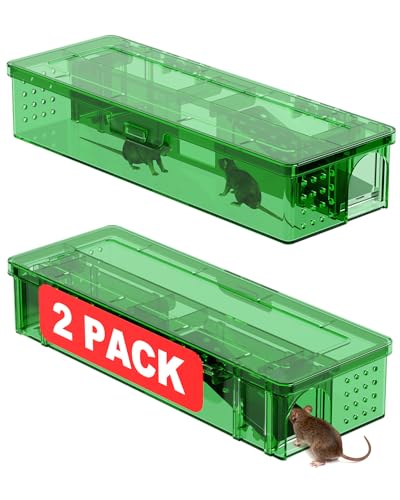
The dual-entrance design increases capture efficiency by inviting mice from multiple directions. Each trap can hold up to 10 mice, which makes these units well-suited for households dealing with ongoing activity or larger spaces. They are free of toxic chemicals and electric parts, aligning with family-friendly housing. Baiting advice suggests using a mix of appealing, low-odor foods near entry points. Regular release is essential to maintain stress-free outcomes for captured animals, and these traps are simple to reset after use.
Victor Tin Cat Multi-Catch Live Trap
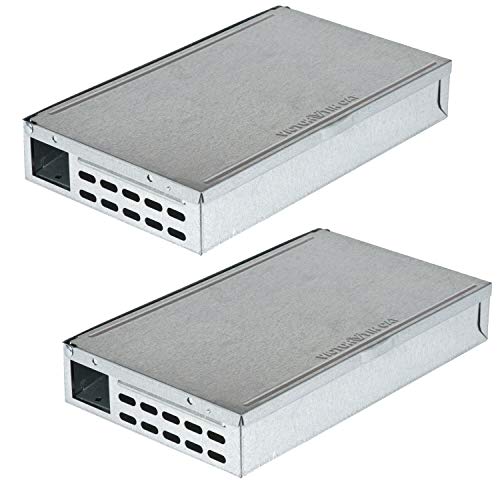
The Victor Tin Cat is designed for larger infestations and can hold up to 30 mice before reaching capacity. It’s a no-touch solution — you can bait inside, close the lid, and relocate the trap for release when mice are captured. Effective baiting strategies focus on familiar food items that rush the learning curve for mice, such as small amounts of seeds or peanut butter placed inside. The release procedure is straightforward, but adherence to humane handling guidelines is essential to minimize stress to both animal and handler.
4 Pack 93 Holes Humane Mouse Traps

These traps emphasize high ventilation with 93 holes across the unit, designed to keep trapped mice calm while awaiting release. The U-shaped slots help prevent tail injury, addressing a common humane concern. Bait options include peanut butter, oats, or small pieces of fruit—anything that’s enticing but easy to manage inside the bait compartment. The traps are described as easy to set and reusable, with a focus on family safety and minimal maintenance. For best results, position multiple traps along walls and near entry routes mice frequently use.
Buying Guide
When choosing a humane live-trap system, consider these factors to align with home environment and pest activity:
- Trap capacity: For light to moderate activity, single-entry traps may suffice; for larger or recurring issues, multi-catch designs improve efficiency.
- Ease of use and maintenance: Look for traps that are simple to set, clean, and reset, with clear instructions for humane release.
- Safety for household members: Avoid traps with sharp components or toxic bait; opt for non-toxic, chemical-free options near children and pets.
- Ventilation and comfort: Adequate air flow reduces stress for captured mice and increases release success rates.
- Bait strategy: Peanut butter, seeds, and grain blends are common attractants. Rotate bait types to locate the most effective option for your mice population.
- Release considerations: Plan for responsible release away from residential areas and where permitted by local laws. Transport containers or built-in release doors help minimize handling risk.
- Durability and warranty: Reusable traps should be made from sturdy materials that withstand repeated use and cleaning.
- Placement strategy: Place traps along walls, near known activity, behind appliances, or in garages where mice travel. Avoid placing near food preparation areas to prevent cross-contamination.
Comparative insights: multi-catch designs save time in busy households but may require more space. No-kill traps emphasize humane treatment and are suitable for environments with children or pets. For larger infestations, traps with higher capacity, like the Victor Tin Cat, can reduce repeat visits and improve long-term control.
Note: Always follow manufacturer instructions for baiting, setting, and releasing mice to ensure humane treatment and safe handling. Regular monitoring and timely release are key to maintaining an effective, ethical pest management routine.