Choosing the right bedding is essential for a snake’s health, humidity control, and easy maintenance. The following selections highlight popular, dependable substrates that can support different snake species—from ball pythons to corn snakes—while prioritizing odor control, dust prevention, and moisture management. This guide compares options by material type, absorption, and ease of use to help you pick the best substrate for your enclosure.
| Product | Brand | Type | Key Benefit | Size |
|---|---|---|---|---|
| ZooMed Aspen Snake Bedding, 24 quart | Grsta | Aspen Bedding | Renewable, easy to clean, low dust | 24 qt |
| Zoo Med Laboratories SZMSB4 Aspen Snake Bedding, 4 Quart | Zoo Med | Aspen Bedding | Excellent moisture control, low dust, odor control | 4 qt |
| ReptiChip Reptile Substrate Coconut Chip Bedding | Reptichip Premium Coconut Substrate | Coconut Chip Substrate | High humidity retention, odor absorption | 72 qt brick (reusable weight ~10 lb when expanded) |
| Zoo Med Aspen Snake Bedding Natural, 4 Quart | Zoo Med | Aspen Bedding | Natural option with consistent performance | 4 qt |
| ZeeDix 2 Pack Coconut Fiber Substrate | ZeeDix | Coconut Fiber Substrate | Natural, odor and waste absorption | 2 packs |
These products cover a range of substrates, including Aspen-based bedding and coconut fiber options. They are suitable for common pet snakes and are chosen for availability, user reviews, and practical performance in home enclosures.
ZooMed Aspen Snake Bedding, 24 quart

Brand: Grsta. This green, renewable-resource bedding is designed to be easy to clean and keep dust to a minimum. Aspen bedding is commonly used for snakes due to its absorbency and comfortable texture. It is suitable for a range of enclosure sizes and can help support clean habitat conditions with manageable maintenance.
Key considerations: Aspen bedding generally provides good moisture management and a dust-free profile, which supports respiratory health in smaller enclosures and reduces the risk of irritation for both snake and keeper. It is easy to scan for in-store and online, helping with quick restocking decisions.
Zoo Med Laboratories SZMSB4 Aspen Snake Bedding, 4 Quart

Brand: Zoo Med. A compact option ideal for smaller enclosures (5–10 gallon). The 4-quart size provides efficient moisture control and is noted for being odorless and 99.9% dust-free, which contributes to a healthier living area for the snake and a cleaner habitat for the keeper. This format is convenient for beginners or those testing new enclosures.
Key considerations: For small setups, consistent moisture control is essential. Aspen typically dries quickly after cleaning, reducing damp spots that can promote bacterial growth. Replacement frequency depends on enclosure humidity and snake activity levels.
ReptiChip Reptile Substrate Coconut Chip Bedding

Brand: Reptichip Premium Coconut Substrate. This compressed coconut chip substrate expands with water to form a breathable bed that can help maintain humidity while absorbing waste odors. A 72-quart brick yields a substantial quantity of bedding, suitable for larger cages or multiple enclosures, making it economical for serious hobbyists and breeders.
Key considerations: Coconut-based substrates tend to retain humidity well, which can be ideal for tropical or humid setups. ReptiChip’s odor control is a notable advantage, but it requires proper expansion and moisture management to prevent overly damp conditions in some environments.
ZeeDix 2 Pack Coconut Fiber Substrate
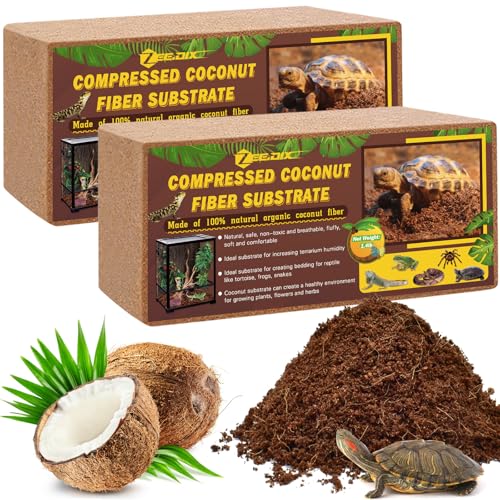
Brand: ZeeDix. This two-pack coconut fiber substrate emphasizes natural materials, biodegradability, and odor control. Coconut fiber is breathable and can help regulate moisture without creating overly damp conditions. It’s promoted as a non-toxic option that’s easy to dispose of and can contribute to a clean habitat when used properly.
Key considerations: Coconut fiber substrates are popular for their natural look and odor absorption. They may require more frequent spot cleaning and monitoring of humidity levels to prevent mold in humid environments. It’s advisable to wash or rinse before first use for best results.
Legigo 10LBS Coconut Chip Substrate for Reptiles

Brand: Legigo. This 10-pound coconut husk chip substrate is designed to retain humidity and absorb waste, offering a natural look and feel. The compressed brick format expands to provide a comfortable bed for snakes and other reptiles, with a focus on safety and minimizing sharp textures that could harm sensitive reptiles.
Key considerations: Ideal for ball pythons and other snakes, Legigo emphasizes odor control and humidity maintenance. Proper expansion and rehydration are important, and routine substrate changes are necessary for ongoing hygiene.
Zilla Reptile Terrarium Bedding Substrate Snake and Lizard Litter, 8 Quart

Brand: Zilla. Heat-treated aspen chips are highlighted for ultra-absorbent performance and a dry habitat. This option is positioned as hypoallergenic and natural, reducing exposure to potentially harmful aromatic oils. It is a widely used bedding in professional herpetology settings and can support a clean enclosure with minimal dust.
Key considerations: Aspen-based substrates are known for rapid drying and manageable waste in many setups. For sensitive species, verify that the dust levels remain low and that the enclosure humidity stays within species-specific requirements.
REPTI ZOO 72 Quart Reptiles Coconut Chip Substrate

Brand: REPTI ZOO. This coconut chip substrate is designed for multiple reptile types, including snakes, tortoises, and lizards. The 72-quart packaging aims to provide a substantial supply for larger enclosures or multiple habitats, with a focus on natural look and odor control through coconut-based materials.
Key considerations: Reptile coconut substrates offer robust odor management and moisture retention. They are generally easy to expand and may require occasional rehydration to maintain the ideal texture for digging and burrowing behaviors.
Buying Guide: Key Purchase Considerations
- Species and enclosure: Different snakes have varying humidity and substrate needs. Ball pythons may prefer moisture-retentive substrates, while corn snakes may do well with dryer mixes.
- Humidity control: Coconut-based substrates tend to hold moisture longer, which benefits tropical species but may require more frequent checks in drier rooms.
- Dust and respiratory health: Low-dust options reduce respiratory risks for both snakes and keepers. Aspen and some coconut fibers are commonly chosen for clean handling.
- Odor management: Substrates like coconut fiber and chip variants often provide odor absorption, helping maintain a pleasant living environment in the home.
- Maintenance frequency: Some substrates require more frequent spot cleaning or full substrate changes. Consider enclosure size, snake activity, and waste production.
- Expansion and coverage: If using compressed bricks (like coconut chip bricks), calculate how much substrate you’ll obtain after expansion to ensure you have enough for your enclosure.
- Natural behavior: Some substrates encourage digging or burrowing; others are smoother. Pick a texture that aligns with your snake’s natural tendencies.
- Ease of disposal: Coconut fiber and chip substrates are typically biodegradable and easier to dispose of or recycle in yard waste streams where allowed.