Choosing the right burrowing substrate is essential for hamster health, comfort, and enrichment. The best options balance dust levels, moisture absorption, and digging-friendly texture. This guide reviews five substrates that promote natural burrowing behavior while supporting clean, odor-controlled habitats. Each product below is selected for safety, low dust, and suitability for small pets like hamsters, gerbils, and mice. Read on to compare textures, absorption, and versatility across small animal habitats.
| Product | Brand |
|---|---|
| BUCATSTATE Natural Coco Fiber Bedding | BUCATSTATE |
| Halatool Coconut Chips Substrate | Halatool |
| Sukh Desert Sand | Sukh |
| LOLLBIRD Cork Bedding | LOLLBIRD |
| Josh’s Frogs Dig-It Substrate | Josh’s Frogs |
BUCATSTATE Natural Coco Fiber Bedding
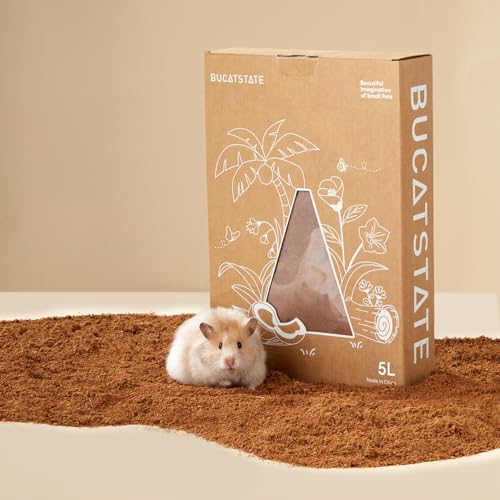
BUCATSTATE offers a 5L bag of natural coconut fiber bedding designed for small pets. Made from Sri Lankan coconut shells, the substrate is natural, low-dust, and impurity-free to support respiratory health. It comes ready to use, eliminating soaking time, and provides excellent odor absorption by naturally deodorizing the habitat. This substrate combines fluffy texture with practical value for hamsters and other small pets, promoting clean, dry environments and easier maintenance.
Halatool Coconut Chips Substrate

Halatool provides 10 lb of natural coconut chips bricks designed for multiple terrarium uses, including reptile and small animal habitats. The substrate is 100% natural, low in EC, dust-free, and odor-free, with a honeycomb cellular structure for aeration and moisture retention. While marketed for reptiles, the material also serves as an effective burrowing substrate for hamsters, offering high absorbency and humidity management for diverse environments.
Sukh Desert Sand 15OZ

Sukh Desert Sand is a versatile sand substrate used for sand baths and general substrate needs. It helps remove excess grease and odors from fur and skin, keeping small pets dry and clean. Suitable for a range of small animals, the product is widely used for burrowing and dust-free habitats. It also notes applicability for reptiles and amphibians, providing a flexible option for multi-pet households seeking a single substrate solution.
LOLLBIRD Cork Hamster Bedding

This natural cork bedding emphasizes softness and absorbency with a low-dust profile. Ideal for digging and nesting, it provides a safe surface for hamsters, gerbils, and mice. The product emphasizes odor control and easy maintenance, helping keep enclosures fresh while supporting enrichment through foraging and burrowing activities.
LOLLBIRD Buckwheat Hulls Bedding

LOLLBIRD Buckwheat Hulls provide a natural, burrow-friendly texture with low dust and no splinters. The highly absorbent hulls offer advanced odor control and moisture locking, contributing to a cleaner habitat between cleanings. The low-dust formula makes it a good choice for sensitive pets, supporting comfortable digging and nest-building while minimizing respiratory risk.
Josh’s Frogs Dig-It Substrate

Josh’s Frogs Dig-It substrate is specifically designed for burrowing and tunnel-friendly behavior. It can be misted for climate-controlled environments or kept drier for arid setups, and its extra-soft texture supports delicate pets during digging and nesting activities. This versatility makes it a robust option for enrichment across various small pet species, including hamsters and lizards in mixed setups.
Buying Guide
Key purchase considerations help ensure you choose a substrate that matches your hamster’s needs and your habitat setup:
- Dust levels: Low-dust substrates reduce respiratory irritation and improve breathing for small pets. Consider products marketed as low-dust or dust-free.
- Texture and digability: A burrowing-friendly texture encourages natural digging behaviors without harming delicate paws. Look for fluffy, crumbly, or chip-based textures depending on species.
- Moisture and odor control: Substrates with good moisture absorption help keep the enclosure dry and odor-free, reducing cleaning frequency and maintaining hygiene.
- Allergen and sensitivity considerations: For pets with sensitivities, choose natural materials with minimal processing and no added fragrances or chemicals.
- Multi-species suitability: If you keep different small pets, consider substrates that work well across species or prepare separate enclosures.
- Maintenance and disposal: Easy-clean substrates reduce maintenance time. Some substrates absorb moisture well and can be spot-cleaned, while others require full substrate changes.
- Water and humidity management: Some substrates expand when hydrated, which can help maintain humidity for tropical species. Balance humidity needs with enclosure ventilation.
- Cost and availability: Larger bags or bricks may offer better value over time, especially for active burrowers. Check bag size and refill frequency.
Across these options, hamster owners should prioritize low dust, safe materials, and a texture that supports digging and nesting. Replacing substrate as needed and rotating between textures can also provide ongoing enrichment and prevent boredom. Always monitor your hamster for signs of respiratory irritation or discomfort after introducing a new substrate and adjust the setup accordingly.