Catfish add daytime activity, bottom-dwelling charm, and algae control to freshwater aquariums. This guide highlights five well-suited species from Swimming Creatures and Evergreen Farm and Garden that balance peaceful temperaments with reliable performance in community setups. Each option emphasizes easy care, compatibility with common tank mates, and visible benefits like bio-cleaning and substrate engagement. Read on to compare options, what to expect in terms of size and behavior, and practical tips for making room in your ecosystem for these bottom-dwelling stars.
| Product | Brand | Key Benefit |
|---|---|---|
| Otocinclus Catfish (1-1.5″) | Swimming Creatures | Efficient Algae Management |
| Dwarf Petricola Catfish | Swimming Creatures | Bottom-Dwelling Pattern & Activity |
| Otocinclus Catfish (6 Pack) | Swimming Creatures | Group Algae Cleaners |
| Otocinclus Catfish (1-1.5″) | Swimming Creatures | Algae Control & Quiet Presence |
| Panda Corydoras | Swimming Creatures | Hardy, Small Sleepers |
Panda Corydoras: Peaceful Bottom Dwellers

The Panda Corydoras, a small and sturdy bottom dweller, is prized for its endearing pattern and peaceful temperament. In community tanks, these catfish tend to stay in tight-knit groups, forage along the substrate, and help clean up leftover food. With a modest size range, they fit well in many 20-gallon setups and larger. Potential buyers should note shipping weather cautions and DOA policies related to temperature-sensitive deliveries. Adequate hiding spaces or matting along the tank bottom supports natural foraging behavior and reduces stress during acclimation.
Otocinclus Trio: Algae-Chomping Team

Otocinclus catfish are small, peaceful scavengers ideal for compact community tanks. The listed trio is well-suited for algae control on tank walls and decor without disturbing larger or more aggressive fish. They prefer a well-filtered tank with plenty of plants or rocks to explore. This species thrives in groups, so consider keeping at least three to reduce stress and encourage natural social behavior. Typical care calls for a modest-sized aquarium (at least 10 gallons) and a steady diet of algae wafers or vegetable matter.
Catfish Food For All: Algae Control & Nutrition

While primarily a food product listing, this item underscores the importance of providing a balanced diet for bottom-dwelling fish. For catfish, a diet rich in sinking pellets, high-quality frozen foods, and occasional protein treats supports robust coloration and activity. A steady feeding routine reduces leftovers that can foul the substrate, a key consideration in maintaining water quality in community tanks.
Dwarf Petricola Catfish: Pattern & Play

The Dwarf Petricola Catfish is recognized for its striking pattern and ongoing scavenging on the tank floor. This species often remains active around the substrate, contributing to tank dynamics with a calm, exploratory presence. Maintaining stable temperature and pH helps support a healthy appetite and steady metabolism. Like Otocinclus, these fish benefit from being kept in small groups to minimize stress and maximize natural behaviors.
Otocinclus Cluster: Six Members For Algae Control

This six-pack of Otocinclus catfish emphasizes algae control across a larger community tank. The group dynamic enhances the likelihood of stable schooling behavior and consistent tank cleaning activity. A minimum 15-gallon aquarium is recommended to accommodate multiple individuals and allow for comfortable movement around plants and decor. Routine monitoring of pH (6.5–7.5) and water hardness supports long-term health and steady growth.
Dwarf Petricola Catfish: Additional Spotted Pattern
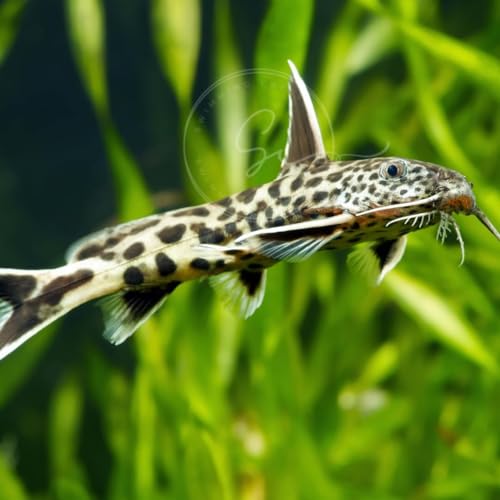
Another Dwarf Petricola option presents similar benefits with minor variations in appearance. These catfish are typically peaceful, social, and explore the tank bottom, adding visual interest to daytime observation. Temperature ranges around 72–82°F with a pH of 6.5–7.5 suit most planted and community aquariums. A bottom-up approach to feeding—sinking pellets and occasional live treats—helps sustain energy and activity.
Buying Guide: Key Purchase Considerations
- Tank size and population: Most Otocinclus and cories stay small, but group dynamics matter. Plan for at least 10–15 gallons per small group and 20 gallons or more for larger assemblies.
- Water parameters: Aim for stable temperatures in the 72–82°F range and a pH between 6.5 and 7.5. Moderate hardness supports digestion and immune response in bottom-dwellers.
- Diet and feeding: Prioritize sinking pellets, fresh vegetables, and algae wafers. Overfeeding leftovers can degrade water quality and harm tank balance.
- Tank decor and hiding spots: Plants, driftwood, and rocks provide cover and foraging opportunities, reducing stress and promoting natural behavior.
- Group dynamics: Many species shown here perform best in small groups. Plan for multiple individuals rather than keeping a lone catfish to encourage social activity.
- Shipping and weather considerations: Some listings include weather-related warnings. Choose sellers with clear DOA policies and shipping protections during temperature extremes.
- Tank compatibility: Choose species known for peaceful temperaments to minimize aggression toward other bottom dwellers and mid-water fish.
Bottom-dwelling catfish can complement mid-water and top-dwelling species by reducing leftover foods and contributing to a balanced ecosystem. The five selections above provide a range of options—from tiny Otocinclus groups to panda-patterned Corydoras—so hobbyists can tailor a setup to their tank size, water parameters, and maintenance preferences. Always acclimate new arrivals slowly, monitor water quality closely after introduction, and verify compatibility with existing residents to maintain a thriving aquatic display.