Introduction
The right pigeon feed supports healthy growth, steady plumage, and strong racing performance. Below are five top-rated options commonly used by pigeon keepers. Each product is selected for balanced nutrition, accessible ingredients, and suitability for outdoor feeding. The list also provides quick reference details to help compare protein levels, ingredients, and general用途.
| Product | Brand | Protein | Key Ingredients |
|---|---|---|---|
| Morning Song Dove & Ground Feeding Wild Bird Food | Morning Song | Not specified on listing | Peas, millet, safflower, milo, wheat blend |
| No Corn Special Pigeon Mix (13.5%) | Des Moines Feed | 13.5% | Peas, milo, field peas, safflower, millet, wheat |
| Regular Pigeon Mix (12%) | Tcllka | 12% | Nutra corn blend, peas, millet, wheat |
| King 45 Pigeon Mix (17%) | Des Moines Feed | 17% | Canadian peas, yellow popcorn, millet, safflower |
| Premium 22 Pigeon Mix (13.25%) | Des Moines Feed | 13.25% | Peas, corn, milo, safflower, lentils, oats, flax |
Morning Song Dove & Ground Feeding Mix

Morning Song’s 7-pound bag combines grains suitable for doves, pigeons, and other outside feeders. The mix emphasizes ground feeding behavior and contributes to a balanced diet with a US-origin production background. While specific protein data is not listed, the blend provides a practical option for daily indoor or outdoor pigeon care. Package dimensions and weight help gauge portions and storage needs for multiple birds.
No Corn Special Pigeon Mix
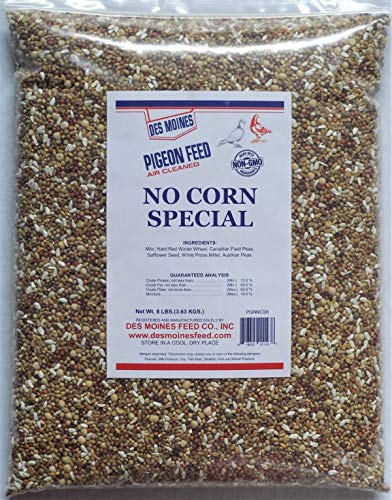
This Des Moines Feed No Corn Special Pigeon Mix features a 13.5% protein level with 20% peas and a no-corn base. It supports balanced nutrition for pigeons and can be adjusted with corn in winter months. The blend includes milo, field peas, safflower, and multiple grains, delivering a versatile diet that aligns with both racing and show birds’ needs while keeping corn out of the mix for corn-restricted feeders.
iBorn Squirrel Proof Bird Feeder Cage

While primarily a feeder, the iBorn unit helps ensure pigeons access feed without interference from ground predators or squirrels. The design features a heavy-duty metal cage and small cage holes that favor smaller birds, reducing spillage and ground mess. This option complements feed choices by improving accessibility and reducing waste, especially in outdoor environments where pigeons share space with other species.
2 Pack Large Pigeon Feeder

This set includes two large pigeon feeders designed to dispense feed in a controlled manner. The 15.74-inch length and 3.93-inch width accommodate sizable portions for multiple birds, making it easier to manage feeding for larger flocks. Constructed from plastic and stainless steel wire, the feeders are described as safe and durable for various birds, including pigeons, ducks, and chickens.
Regular Pigeon Mix

Des Moines Feed’s Regular Pigeon Mix blends Nutra Corn, peas, millet, and wheat for a solid, everyday ration. The 12% protein level supports daily activity and maintenance. With approximately 72% carbohydrates and 355 Kcal per 100 g, this mix offers a balanced energy profile suitable for steady feather growth and general upkeep in a typical pigeon household or aviary setting.
King 45 Pigeon Mix

Designed for racing and larger show pigeons, Des Moines Feed King 45 Pigeon Mix contains 45% various peas and an 17% protein level. This mix emphasizes larger grains for easier feeding and sustained energy. The diverse ingredients—peas, corn, milo, safflower, and more—provide a robust diet that supports sustained activity, digestion, and performance in competitive environments.
Premium 22 Pigeon Mix

Des Moines Feed Premium 22 Pigeon Mix is an all-purpose blend featuring a broad grain variety and 13.25% protein. It includes peas and a wide range of grains, lentils, and seeds to satisfy diverse appetites. The extensive ingredient list supports general-purpose nutrition, promoting steady energy levels and healthy plumage across pigeon flocks with varied dietary needs.
Buying Guide: Key Purchase Considerations
- Protein content: Higher-protein blends (around 13–17%) support growth and performance, but older or smaller birds may do well with mid-range proteins (10–13%).
- Ingredient diversity: A mix with peas, milo, corn, millet, and legumes provides broad micronutrient coverage and can accommodate mixing with fresh greens.
- Allergen and dietary needs: Check for no-corn or no-corn-inclusive options if corn sensitivity is a concern; consider blends with safflower and lentils for variety.
- Feeding setup: If you have outdoor feeders, consider feeder designs that reduce waste and deter pests; this helps maximize intake and cleanliness.
- Storage and shelf life: Choose bags with clear storage guidance and durable packaging to prevent moisture exposure and spoilage.
- Usage goals: Racing pigeons, show birds, and pet/family flocks may benefit from different protein targets and ingredient sets—adjust feed choice accordingly.
- Cost and value: Compare protein per calorie and per weight to assess long-term cost-effectiveness, especially for larger flocks.
Notes on Selection and Feeding Practices
Consider rotating between blends to avoid nutrient gaps and to manage palatability. Always provide fresh water and ensure feeders are cleaned regularly to prevent disease. If introducing a new feed, transition gradually over 7–10 days to minimize digestive upset. For racing or show birds, consult with local aviary experts or veterinarians to tailor diets to your flock’s age, activity level, and environmental conditions.