The best golden retriever puppy treats are small, easy to portion, and suited to your puppy’s age and purpose—whether you are rewarding training or offering an appropriate chew. Pupford Soft & Chewy Treats are a low-calorie option for frequent rewards, while Wellness Soft Puppy Bites and Blue Buffalo Baby BLUE offer puppy-focused recipes. For teething, consider N-Bone’s pliable sticks, and choose Beloved Pets’ longer-lasting chews only when a chew is appropriate for your puppy’s size and chewing habits.
| Product | Best For | Standout Detail |
|---|---|---|
| Pupford Soft & Chewy | Frequent training rewards | Less than 2 calories per treat |
| Wellness Soft Puppy Bites | Soft puppy training treats | Lamb and salmon; 6 calories per bite |
| Blue Buffalo Baby BLUE | Chicken-loving puppies | Real chicken first; includes DHA |
| N-Bone Puppy Teething Sticks | Growing teeth and sore gums | Pliable edible chew texture |
| Beloved Pets Sweet Potato Treats | Longer chewing sessions | Sweet potato wrapped with chicken |
Pupford Soft & Chewy Training Treats

Best for: Golden retriever puppies practicing cues that require many repetitions. Each treat has fewer than 2 calories, according to the product details, making these a practical option for frequent rewards when treats are portioned thoughtfully.
The chicken recipe is described as high in protein and made with simple ingredients, without artificial ingredients or fillers. Its soft, chewy format is designed for dogs and puppies. This is the strongest choice in this list when calorie content per piece is a central consideration.
Limitation: The listed details do not specify individual treat dimensions or a full nutrition profile. Check the package for feeding guidance and ingredient information, especially if your puppy has dietary sensitivities.
Wellness Soft Puppy Bites

Best for: Owners looking for a soft, puppy-specific reward with lamb and salmon. These bite-sized treats contain 6 calories per piece and are described as grain-free, with added vitamins intended for puppies.
The product features salmon as a source of DHA, a nutrient associated in the listing with brain development. The soft texture and small-bite format suit training or occasional rewards. Choose these if you want a recipe that differs from the chicken-based options in this roundup.
Limitation: At 6 calories per treat, they have more calories per piece than Pupford’s listed treats. Account for rewards in your puppy’s overall daily food intake.
Blue Buffalo Baby BLUE Training Treats

Best for: Puppies that respond well to tender, meaty chicken rewards. Real chicken is listed as the first ingredient, and the bite-sized morsels are designed for training. The recipe also includes DHA and is intended for puppies.
The product details state that these treats contain no poultry by-product meals and are free of corn, wheat, soy, artificial preservatives, and artificial colors. That ingredient information can help buyers compare recipes, though it does not replace checking the current package label.
Limitation: Calories per treat are not provided in the supplied product details. If you train frequently, review the package’s feeding information and adjust portions accordingly.
N-Bone Puppy Teething Sticks

Best for: Puppies in the teething stage that need an edible chew rather than a small training morsel. The listed features describe a pliable texture intended to massage sore gums, and the sticks are presented as an alternative to plastic or rubber toys.
The product name identifies peanut butter flavor, while the feature text refers to chicken flavor. Because those details conflict, verify the flavor on the package or current listing before buying. The supplied information also describes the sticks as easy for young puppies to digest.
Limitation: These are chews, not quick-reward training bites. Supervise your puppy during chewing and follow package directions.
Beloved Pets Sweet Potato Chicken Chews
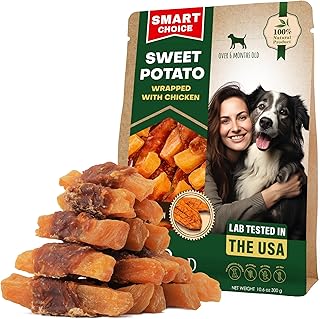
Best for: Owners seeking a chew-style treat made with sweet potato wrapped in chicken. The product is described as rawhide-free and suitable for small, medium, and large breeds. Its longer-lasting chew format may suit a supervised chewing break better than rapid-fire training.
The listing says the chews are intended to support dental health and help reduce plaque and tartar buildup. Treat those as product claims, not a substitute for routine dental care. Choose this option if the ingredients and chew format suit your puppy.
Limitation: The supplied details do not give calorie content, chew dimensions, or a specific puppy-age recommendation. Confirm suitability and supervise chewing.
Buying Guide: How To Choose Puppy Treats
Are the treats for training or teething?
Use small, easy-to-deliver bites for repeated training rewards. Soft options such as Pupford, Wellness, and Blue Buffalo are presented as training treats. Teething sticks and chicken-wrapped sweet potato chews serve a different purpose: chewing. They are not as convenient for quick repetitions, and puppies should be supervised while chewing.
How important are calories and portion size?
When you reward a puppy often, calories can add up. Pupford lists fewer than 2 calories per treat, while Wellness lists 6 calories per bite. The supplied details do not provide calorie counts for the other three products. Check the package and include treats in the puppy’s daily feeding plan.
Which ingredients should you compare?
Compare the full label with your puppy’s known sensitivities and diet. These options include chicken, lamb, salmon, and sweet potato. Product descriptions mention ingredient exclusions for some recipes, but formulas can change; use the package label as the final reference. Introduce a new treat in a small amount and watch for a reaction.
What should golden retriever owners consider?
Golden retrievers grow into large dogs, but puppy age, mouth size, chewing style, and training needs matter more than breed name alone when selecting a treat. Choose a size your puppy can manage, follow the maker’s instructions, and supervise chews. Ask a veterinarian if you are unsure whether a particular treat suits your puppy’s age or health needs.
Frequently Asked Questions
What treats work well for golden retriever puppy training?
Small, soft treats are convenient for repeated rewards. Pupford is the lowest-calorie option among these products based on the supplied figures; Wellness and Blue Buffalo are also described as puppy training treats.
Can puppies have teething treats?
Some products are specifically marketed for puppy teething, including N-Bone sticks. Follow the package’s age and feeding directions, and supervise your puppy while chewing.
How many treats should I give my puppy?
Follow the package guidance and account for treats in the puppy’s daily food intake. The appropriate amount depends on the product, your puppy, and how often you train.
Should I choose grain-free puppy treats?
Grain-free is a recipe attribute, not a requirement for every puppy. Compare ingredients with your veterinarian’s advice and your puppy’s dietary needs.
Can these treats replace puppy food?
No. Treats are rewards or occasional chews and should not replace a complete puppy diet.