Choosing a meat grinder for raw dog food means balancing power, safety, and ease of use. The models below are selected for home kitchens and pet-prep routines, offering reliable grinding to create fresh, controllable raw meals. All options handle different meat textures, with some brimming with bone-capable features and others designed for soft-bone grinding. This guide highlights five grinders that align with raw-diet needs, plus practical buying considerations to help you pick the right one for your household.
Summary of Selected Products:
- LEM BigBite #5 Meat Grinder — Brand: LEM
- STX Turboforce II 4000 — Brand: STX INTERNATIONAL
- Weston Pro Series Electric Meat Grinder — Brand: Weston
- ARINOO Electric Meat Grinder #8 — Brand: ARINOO
- KEENSTAR 3000W Heavy Duty — Brand: KEENSTAR
LEM BigBite #5 Meat Grinder Overview

The LEM BigBite #5 is a compact yet powerful home grinder designed for efficiency and reliability. It features a 0.35 HP induction motor offering steady performance for small-to-moderate batches, making it suitable for regular raw-diet prep. Included accessories cover basic grinding and stuffing needs, including multiple plates and stuffing tubes, plus essential tools to manage the grinding workflow. With a balance of affordability and commercial-grade power, this model fits families seeking predictable results without bulk equipment.
STX Turboforce II 4000: High-Volume Home Grinding
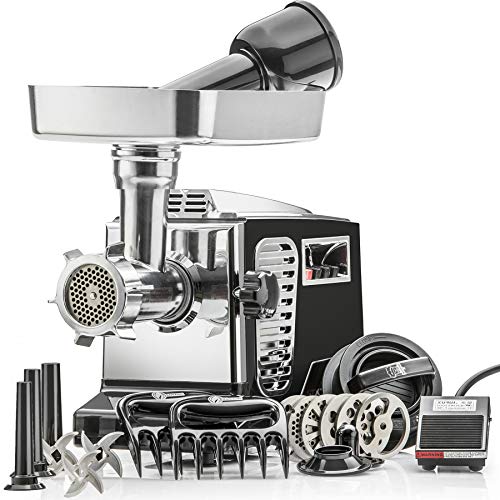
The Turboforce II 4000 is a robust, no-nonsense grinder designed for bulk processing. Powered by a 2000-watt motor, it supports substantial throughput and a large meat tray. It’s compatible with soft bones and comes with a complete grinding package, including multiple plates, blades, and sausage-making attachments. Its high-output capabilities make it a practical option for households that prepare raw dog food in larger quantities or on a recurring basis, while safety features help manage operation.
Weston Pro Series: Durable, Quiet Grinding

Weston’s Pro Series offers a durable, commercial-grade feel in a home-friendly package. Its 0.75 HP motor provides consistent grinding with a focus on quiet operation, steady throughput, and long-term reliability. The rifled-head design and offset throat optimize grinding speed, making it a strong candidate for regular raw-dog food prep where stability and efficiency matter. While well-suited for muscle meats, it’s also built to handle larger batches with ease.
ARINOO Electric Meat Grinder #8: Heavy-Duty Performance
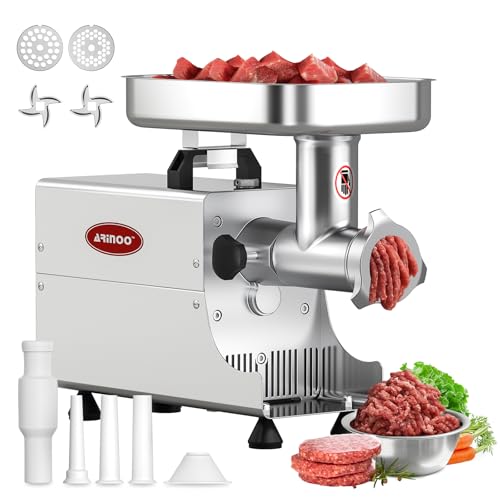
ARINOO’s #8 model emphasizes heavy-duty performance with a 0.6 HP motor (450W rated, up to 1500W max) and a robust copper design. This grinder is designed for large tasks and repeated use, making it well-suited for pet-food prep requiring bone grinding, vegetables, and meat. It comes with two cutting blades, two grinding plates, and multiple stuffing tubes to support a variety of textures and recipes, including pet-friendly blends and sausages for raw diets.
KEENSTAR 3000W: 3-in-1 Household Grinder Kit

KEENSTAR combines power and versatility with a 3000W peak capability and 450W running torque in a user-friendly package. The 3-in-1 setup includes multiple plates, a sausage stuffer, and a kubbe kit for varied textures, which is beneficial when preparing ground meat blends for raw diets. This model emphasizes ease of use and cleaning, with a straightforward control layout and practical attachments to support large batch preparations.
Buying Guide: Key Purchase Considerations
- Power and throughput: For raw dog food, you’ll want a grinder that can handle dense meats and occasional bones. Look for wattage in the 1000–2000W range for home use, with a motor designed for continuous or semi-continuous operation to avoid overheating.
- Bone handling capability: If you plan to grind bones, confirm the grinder’s bone compatibility. Some models explicitly advertise bone-grinding support, while others are best for meat and soft cartilage.
- Versatility and attachments: A model with multiple grinding plates, stuffing tubes, and kubbe kits offers flexibility for burger textures, sausages, or pet-food blends. Check for stainless steel components for durability and easy cleaning.
- Ease of cleaning: Removable parts that are dishwasher-safe or simple to hand-clean help maintain hygiene when switching between meat types and pet diets.
- Size, storage, and setup: Consider the footprint and whether you’ll store the grinder out of sight. A compact model can still deliver solid performance, but larger units may be more efficient for frequent, high-volume prep.
- Noise and heat management: Look for cool-running designs or air-cooled motors to minimize heat buildup during longer grinding sessions, which helps preserve meat quality and motor life.
- Safety features: Circuit breakers, thermal protection, and reverse functions reduce jam risk and improve safe operation during pet-food preparation.
- Price-to-performance balance: While premium models offer more power and accessories, many mid-range grinders deliver ample capability for hobbyist and small-family raw-diet routines. Align features with your needs and budget.
Additional Considerations: Practical Tips for Raw-Dog Food Prep
For routine raw-diet preparation, maintain proper sanitation by washing hands, tools, and surfaces before and after grinding. Chill meat slightly to reduce tackiness during grinding, and avoid grinding overly fatty or gristly cuts that can clog plates. If grinding bones, introduce them gradually and monitor texture to ensure safety. Store ground mixtures promptly in cold conditions to preserve freshness and prevent bacterial growth. Regular maintenance, such as lubricating moving parts per manufacturer guidelines, helps extend grinder life and consistent performance.