Choosing the right aquarium sealant is essential for creating durable, leak-free tanks while keeping aquatic life safe. This guide reviews top-rated silicone sealants designed for freshwater and saltwater setups, focusing on fish-safe formulations, adhesion on glass and non-porous surfaces, elasticity, and resistance to temperature and UV exposure. The selections below reflect products commonly used by hobbyists and professionals alike for joints, seams, and repair work inside and around aquariums.
Summary Table of Selected Products
| Product | Brand | Key Benefit | Typical Use | Image |
|---|---|---|---|---|
| SELSIL Aquarium Silicone Clear Sealant | Selsil | High elasticity, ozone- and UV-resistance | Glass bonding, freshwater and saltwater tanks |  |
| Aqueon Silicone Sealant Clear | Aqueon | Permanent flexible seal, easy application | Leaks prevention, long-lasting bond | 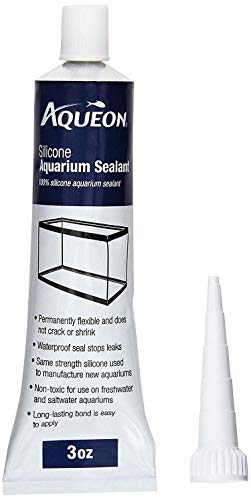 |
| Kraken Bond Aquarium Silicone Sealant Clear | KRAKEN BOND | Fast curing, strong adhesion | Durable, perennial aquarium seals |  |
| SELSIL Aquarium Silicone Sealant Clear (2 Pack) | Selsil | Two-pack value, same fish-safe formulation | Double sealing needs or replacements |  |
| Aqueon Black Aquarium Silicone Sealant | Aqueon | Black sealant for discreet joints | Sealing around black backgrounds or color-matched areas |  |
Below is a deeper look at each product, along with its suitability for common aquarium sealing tasks and what this means for fish safety and long-term performance.
SELSIL Aquarium Silicone Clear Sealant
SELSIL Aquarium Silicone Clear Sealant is designed for glass bonding in aquariums. It is formulated to be safe for fish and other aquatic life, using 100% silicone polymer and adhering well to glass without a primer. The adhesive is suitable for freshwater and saltwater environments and conforms to ISO 11600 –F&G–25 LM standards. Its high elasticity helps maintain seals under temperature fluctuations and vibration, while resistance to ozone and UV light supports durable performance in both tank interiors and external fittings.
This product emphasizes a strong bond on non-porous surfaces such as glass and aluminum, making it versatile for various aquarium components beyond the tank walls. Users should apply to clean, dry surfaces and allow adequate curing time to achieve a stable, long-lasting seal. Overall, it aligns well with both novice and experienced hobbyists seeking a safe, reliable sealant for glass-to-glass and glass-to-structure joints.
Aqueon Silicone Sealant Clear
Aqueon Silicone Sealant Clear offers waterproof sealing and a permanently flexible bond designed to resist cracking or shrinking over time. It is presented as easy to apply, delivering a reliable, long-lasting seal suitable for both seams and edge joints. The focus is on creating a safe seal that maintains flexibility through temperature variations common in home aquariums, enabling stable aquatic environments over extended periods.
While this sealant is marketed for aquarium use, users should verify surface cleanliness and environmental conditions during application. It is appropriate for glass and other non-porous substrates, and its compatibility with standard aquarium practices makes it a practical choice for DIY repairs or tank assembly tasks where visibility and flexibility are important.
Kraken Bond Aquarium Silicone Sealant Clear
Kraken Bond Aquarium Silicone Sealant Clear is marketed as a fish-safe, non-toxic sealant enabling permanent repairs and durable sealing for aquarium setups. The product emphasizes all-weather resilience, maintaining its waterproof seal across tropical and cold-water environments. This makes it suitable for a range of tanks, from reef displays to community tanks, and for both interior and exterior sealing tasks where clear lines are preferred.
Users should note curing times and proper surface preparation to ensure full bond strength. The two-pack offering provides a flexible option for larger projects or multiple tanks, and the sealant’s non-toxicity after cure supports a safe habitat for aquatic life when fully cured.
SELSIL Aquarium Silicone Sealant Clear (2 Pack)
This 2-pack option mirrors the single-pack SELSIL formulation and doubles the available sealant for larger jobs or ongoing maintenance. It is described as 100% solvent-free and non-toxic, suitable for both freshwater and saltwater aquariums. The high elasticity and resistance to environmental stressors help maintain long-lasting seams, even in conditions with temperature swings and UV exposure.
As with any aquarium sealant, proper curing and surface preparation are essential. The value proposition here is straightforward: extra quantity without compromising safety or performance, ideal for ongoing projects or multiple tanks in a home or studio setting.
Aqueon Black Aquarium Silicone Sealant
Aqueon Black Aquarium Silicone Sealant provides a discreet, dark option for sealing joints where visibility matters, such as around tank frames or aquascaping edges. It emphasizes waterproof sealing and permanent flexibility, helping prevent cracking or shrinkage over time. The black color can help mask sealant lines against dark substrates or background decorations, contributing to a cleaner appearance while maintaining a fish-safe profile when fully cured.
For best results, apply on clean, dry surfaces and allow complete cure time before filling the tank. This solution complements standard clear sealants by offering an alternative when aesthetics or match with tank components is a priority.
Buying Guide: How To Choose The Right Aquarium Sealant
Key considerations help ensure you pick a sealant that protects both the tank and its inhabitants. The following perspectives cover safety, performance, and practical application.
- Fish safety and composition: Look for sealants labeled as fish-safe or non-toxic after curing. Most aquarium-specific products use 100% silicone polymers and avoid harmful solvents that can off-gas during curing.
- Cure type and aging: Consider acetoxy versus oxime curing systems. Acetoxy sealants tend to cure faster but may release acetic acid during curing; ensure proper ventilation and confirm that cured products are non-toxic.
- Adhesion to surfaces: For glass aquariums, strong adhesion to non-porous substrates is critical. Some products also bond well with metal frames or ceramic tiles, which can be useful for custom builds.
- Elasticity and durability: High elasticity helps seals withstand temperature changes, water pressure, and aquarium movement without cracking. UV and ozone resistance extend seal lifespan in lighted tanks and outdoor components.
- Color options: Clear sealants provide a seamless look in transparent tanks, while black or colored options may be preferred for aesthetic reasons or to hide seals against dark backgrounds.
- Curing time and handling: Plan ahead for curing times before filling the tank. Some applications may require post-application ventilation to reduce odors or ensure complete curing.
- Packaging and value: Two-pack options can offer better value for larger projects or ongoing maintenance. Always verify that both packs maintain the same fish-safe formulation.
- Application surface: Clean, dry surfaces yield the best adhesion. Avoid applying to wet surfaces or residues that could compromise the bond.
In practice, selecting a sealant depends on tank size, desired finish, and maintenance plans. For new builds, consider a clear, high-elasticity option to maximize longevity and minimize visible seams. For established displays or areas requiring discretion, a black sealant can be advantageous. Always follow manufacturer instructions for surface prep, curing times, and safe handling to preserve water quality and fish health.