Caridina shrimp thrive in soft, slightly acidic water and well-structured substrates that support plant growth and beneficial bacteria. This guide highlights the best substrates for Caridina and how each choice can influence water chemistry, plant health, and shrimp vitality. The selections below prioritize buffering capacity, porosity, and nutrient availability to help you create a stable biotope that favors the delicate Caridina species while maintaining an attractive planted aquascape.
Summary of Selected Substrates
Below is a quick reference table of five substrates that are well-suited for Caridina shrimp and planted aquariums. Each entry includes the product name, brand, and a snapshot of its key benefits.
| Product | Brand | Key Benefits |
|---|---|---|
| ShrimpSoil Pro | Rare Shrimp | Buffers pH to 5.2–5.8; high porosity; supports plant growth |
| Aqueon Plant & Shrimp Substrate | Aqueon | 5 lb bag; supports a variety of freshwater plants and shrimp |
| FlorinVolcanīt Rio Escuro-XF | Brightwell Aquatics | Volcanic substrate; lowers GH & pH; good root support |
| Fluval Stratum (8.8 lb) | Fluval | Porous structure; rapid nitrifying colonization; neutral to mildly acidic |
| FlorinVolcanīt Rio Escuro-F | Brightwell Aquatics | Volcanic substrate; boosts root growth; stable conditions |
ShrimpSoil Pro – Freshwater Shrimp Substrate
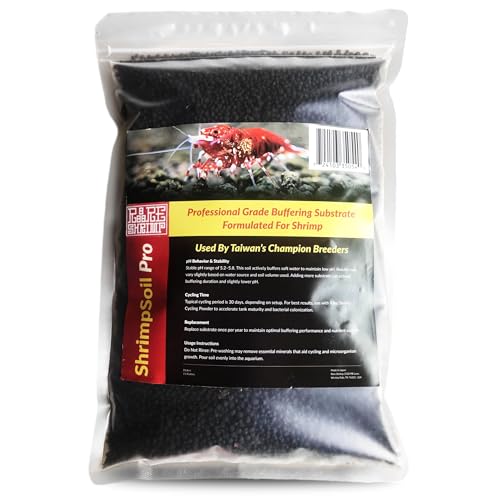
Brand: Rare Shrimp
Key features: This aqua soil is designed for Caridina and planted tanks, with buffering that stabilizes pH in the 5.2–5.8 range. The substrate supports soft-water conditions ideal for Caridina shrimp and live plants. Adding more substrate can extend buffering life and further lower pH if needed. Its high porosity promotes rapid nitrifying bacteria colonization and biofilm development, supporting plant roots and nutrient uptake for healthy growth.
Aqueon Plant and Shrimp Substrate
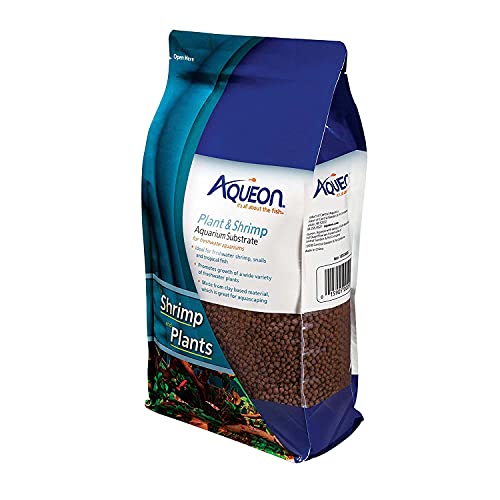
Brand: Aqueon
Key features: Available in a 5-pound bag, this substrate supports a wide range of freshwater plants and shrimp. It is designed to promote robust plant growth and create a versatile base for mixed communities, with a composition that fosters a healthy root zone and steady nutrient availability for both plants and Caridina shrimp.
FlorinVolcanīt Rio Escuro-XF
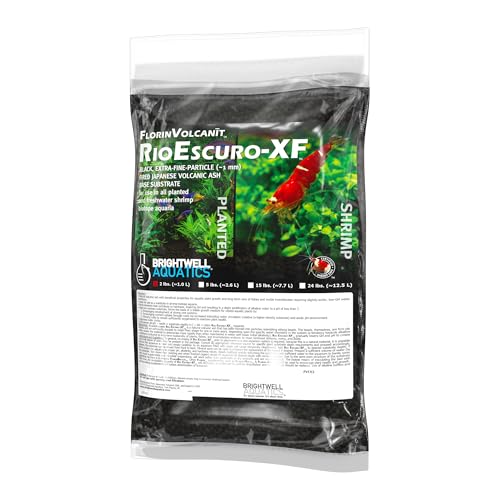
Brand: Brightwell Aquatics
Key features: A natural volcanic substrate with high porosity that lowers GH and pH for soft-water conditions. Suited for shrimp and plants, it fosters strong root development and provides a stable base for plant growth and microbial ecosystems in biotope-style setups.
Fluval Stratum – Plant and Shrimp Substrate

Brand: Fluval
Key features: Stratum promotes robust plant growth through easy root penetration and nutrient absorption, and supports rapid colonization by beneficial nitrifying bacteria. Its structure helps maintain a neutral to slightly acidic pH range, which suits many Caridina species and planted aquariums. It also provides shelter for newborn shrimp, offering protection during early life stages.
FlorinVolcanīt Rio Escuro-F

Brand: Brightwell Aquatics
Key features: Focused on healthy root development and improved water circulation for nutrient uptake. This substrate gradually lowers GH and pH to create balanced, slightly acidic conditions ideal for shrimp biotopes, plants, and invertebrates.
Fluval Stratum (4.4 lb)
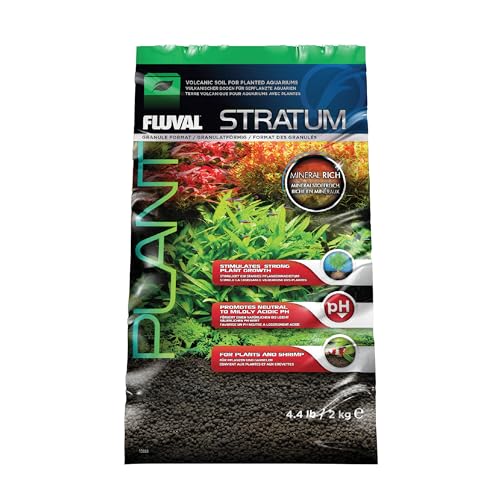
Brand: Fluval
Key features: This smaller bag still emphasizes quick nitrogen-fixing bacterial colonization and maintains a favorable pH for plant and invertebrate health. It also provides a safe, neutral to slightly acidic environment that supports Caridina shrimp and a thriving aquatic plant community.
Buying Guide: Substrate Choices For Caridina Shrimp
When selecting a substrate for Caridina shrimp, consider the following factors to balance shrimp health with plant vigor and ease of maintenance.
- Water chemistry: Caridina shrimp prefer soft, slightly acidic water. Look for substrates that naturally lower GH and pH and maintain stable conditions over time. Volcanic and bioactive soils can provide a gentle buffering effect without drastic swings.
- Buffering capacity: Substrates with buffering properties help prevent sudden pH drops caused by photosynthesis or mineral fluctuations. If you keep a mixed biotope, choose a substrate with moderate buffering to allow plant growth while protecting shrimp.
- Porosity and shape: Highly porous substrates promote beneficial bacteria colonization, root penetration, and nutrient exchange. Fine to medium grain sizes support plant rooting and shrimp foraging without compacting rapidly.
- Nutrient provision: Some substrates include nutrient-rich components that aid plant growth. Consider substrates that supply essential elements (iron, potassium, trace minerals) for lush plant life and a thriving biofilm for shrimp feeding.
- Root support: For stem plants or root-feeding plants, a substrate that encourages strong root systems reduces stress on plants and creates a stable microhabitat for shrimp.
- Maintenance and debris: Some soils trap detritus more than others. Choose a substrate that minimizes cloudiness after disturbance and remains easy to vacuum during water changes.
- Biotope alignment: If you replicate a particular biotope, pick a substrate known to support that habitat’s flora and fauna, including specific shrimp strains and plant species.
Product diversity in the list offers options across buffering strength, plant compatibility, and shrimp-focused formulations. For beginners, a balanced substrate that supports both plants and Caridina, with stable buffering, is ideal. For experienced hobbyists seeking very soft water, a more aggressive buffering range can be helpful, provided pH remains stable and within the shrimp’s tolerance.
Practical tips for best results:
- Combine with a gentle, established filter and stable light cycle to support biofilm without stressing shrimp.
- After setup, monitor pH, GH, KH, and ammonia levels for the first several weeks to confirm stability.
- Gradually adjust water parameters when introducing new shrimp to prevent osmotic shock.
- Pair substrates with low-alkalinity substrates if your plant selection demands softer water.