Choosing the right substrate is essential for kingsnakes and other reptiles. The substrate affects humidity, burrowing, smell, and overall habitat health. Below you’ll find five well-regarded coconut-based and eco-friendly options commonly used in ball pythons, kingsnakes, milksnakes, and related species. Each product has utility for both dry and bioactive setups, with notes on humidity retention, aeration, and waste containment to help you pick the best match for your terrarium.
| Product | Best For | Key Benefit |
|---|---|---|
| The Bio Dude Terra Firma Substrate | Kingsnakes, milksnakes, ball pythons | Balanced ecosystem with good aeration |
| ReptiChip Coconut Substrate (72 Quart Block) | Humidity retention and odor control | expands from compressed block to large volume |
| BabiChip Coconut Chip Substrate | All reptile species, easy expansion | dust-free, ready to use with expansion |
| ReptiPlus Premium Coconut Chip Substrate | Ball pythons, tortoises, lizards | Humidity control and versatility |
| ReptiChip Loose Coconut Chip Substrate | General reptile habitats | dust-free, eco-friendly and expandable |
The Bio Dude Terra Firma Substrate
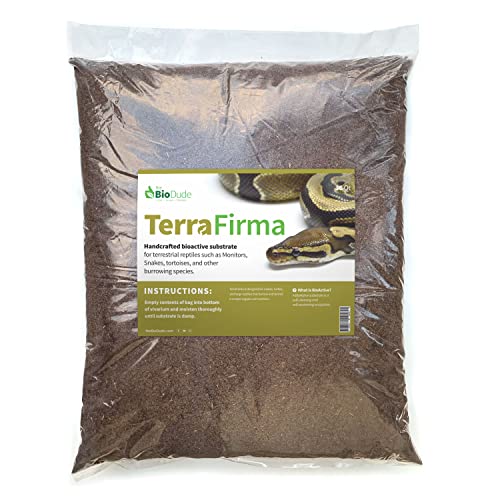
The Bio Dude Terra Firma substrate is designed to support a balanced, bioactive-style habitat. It emphasizes proper aeration and drainage to prevent stagnation, while retaining enough moisture to aid in shedding, respiration, and hydration. The mix contains multiple ingredients chosen to sustain a living substrate ecosystem, aiming to last the life of the animal in the enclosure. This option can be suitable for kingsnakes and other species that benefit from tunnels and burrows without creating overly damp conditions.
ReptiChip Coconut Substrate (72 Quart Brick)

ReptiChip coconut substrate is popular for its humidity retention, helping create a tropical-feeling habitat in terrariums. The 72-quart compressed brick expands to a large volume, making it cost-effective for serious hobbyists and professional breeders. It also claims odor-absorbing properties to keep enclosures smelling fresh, which is beneficial in species like kingsnakes that may produce waste in compact spaces.
BabiChip Coconut Chip Substrate

BabiChip premium coconut chip substrate offers a dust-free, clean option suitable for various reptiles. The product comes in a loose chip format that expands with water, providing adjustable humidity for dry or tropical setups. It emphasizes being ready-to-use straight from the bag, which simplifies maintenance for busy hobbyists and keeps enclosures smelling pleasant through odor absorption.
ReptiPlus Premium Coconut Chip Substrate

ReptiPlus offers a premium coconut chip option designed to support a natural, humid habitat. It’s described as versatile for different reptile species, including ball pythons and tortoises. The substrate is designed to help maintain stable humidity levels, which can be crucial for shed cycles, burrowing behavior, and overall habitat comfort in warm, tropical setups.
ReptiChip Reptile Bedding Loose Coconut Chip

This version of ReptiChip comes as loose coconut chips ideal for immediate use in varied environments. It is marketed as dust-free and eco-friendly, with a focus on being safe for a wide range of reptile species. The loose chip format allows for easy customization of depth, moisture, and humidity to fit the needs of kingsnakes and other species that appreciate burrowing and microhabitats in their enclosures.
ReptiEarth Reptile Bedding, Fluffy Coconut Fiber

ReptiEarth uses a fluffy coconut fiber blend designed to support nesting and burrowing. The 70-30 blend aims to minimize dust while offering small-fiber content for microhabitats. This substrate is positioned as an organic and sustainable choice, suitable for bioactive setups and terrariums housing snakes, lizards, and invertebrates. It helps create a comfortable top layer that limits compaction and supports ventilation in the habitat.
Buying Guide: Key Purchase Considerations and Comparisons
When selecting a substrate for kingsnakes, consider these factors:
- Humidity and moisture control: Substrates vary in how well they hold moisture. If your terrarium requires stable humidity for shedding, choose a product with proven humidity retention.
- AERATION AND DRAINAGE: Good aeration prevents mold and substrate compaction. Look for mixes designed to maintain airflow and avoid waterlogging.
- Burrowing and enrichment: Kingsnakes may enjoy digging or burrowing. Substrates that stay loose and facilitate tunnels can improve enrichment and natural behavior.
- Dust and cleanliness: Dust-free options reduce respiratory irritation for both animals and keep enclosures cleaner for longer.
- Eco-friendliness and safety: Opt for 100% organic materials and reputable brands to align with bioactive or naturalistic setups where possible.
- Maintenance: Consider how easy the substrate is to replace or refresh, and whether it expands readily if you need to adjust humidity.
Product choices often balance humidity retention with airflow. For kingsnakes and similar species, a substrate that allows burrowing, remains relatively dust-free, and resists compaction is typically preferred. If you maintain a bioactive or planted habitat, consider substrates with a mix of fibers that support microbe life while controlling odors. Finally, availability and bag size should match the enclosure size and your routine maintenance schedule to ensure a healthy, low-stress habitat for your snakes and other reptiles.