Varroa destructor remains one of the most persistent challenges for American beekeepers. This guide highlights effective, science-backed mite treatments and tools to monitor infestation levels. Each product section includes practical usage notes, safety considerations, and how it fits into integrated pest management. Readers will find options ranging from chemical strips to natural thymol-based treatments, test kits for quick counts, and devices to facilitate accurate monitoring.
Summary of chosen products
| Product | Brand | Key Benefit |
|---|---|---|
| Apivar Strips Varroa Mite Treatment | Foxhound Bee Company | Proven slow-release amitraz for high efficacy |
| Apiguard – Thymol Gel Trays | VITA BEEHEALTH | Natural, plant-based protection with flexible timing |
| Varroxsan Oxalic Acid Strips | VITA BEEHEALTH | Long-term mite control with safe, simple usage |
| Varroa Easy Check Mite Tester | Foxhound Bee Company | Accurate, quick mite counts in the field |
| Mann Lake Formic Pro Varroa Mite Treatment | Formic Pro | Extended shelf life and residue-free formula |
Apivar Strips Varroa Mite Treatment

Apivar Strips are widely regarded as a leading Varroa control method for both backyard and commercial hives. The product uses amitraz in a slow-release matrix, delivering continuous exposure to mites over a two- to four-week period per application. In practice, Apivar is applied when colonies are active and can be used up to two times per year, regardless of airflow, temperature, or feeding conditions. When implemented correctly, mite reductions commonly fall in the mid-to-upper 90s percentile, making it a strong anchor in a mite-management plan. For beekeepers seeking a predictable, lab-supported approach, Apivar offers a straightforward, year-round option.
Usage notes emphasize placement between brood frames and adequate ventilation. While effective, users should follow label directions to minimize any potential impact on brood development. The product’s flexible timing makes it easy to integrate with honey harvest cycles and other hive-management activities. It’s compatible with most hive configurations and is particularly valued for its consistent performance across varied climates.
Apiguard – Natural Varroa Mite Treatment

Apiguard uses thymol, a plant-based compound, to disrupt Varroa mites while aiming to preserve colony health. It’s marketed as a natural option that appeals to beekeepers seeking lower chemical exposure. The gel trays are designed for easy application, and the guidance suggests timing flexibility—supers can be off, and temperature or airflow constraints are not overly restrictive. The technology delivers a controlled release of thymol vapor, helping maintain efficacy over the treatment window with minimized stress to bees when used properly. It is especially popular in organic and hobbyist operations looking for a less synthetic solution.
Considerations include timing relative to honey flow and colony strength. As with any thymol-based product, potential temperature sensitivity and brood exposure should be reviewed against local climate patterns. Many users report strong mite suppression with careful adherence to the application schedule, making Apiguard a reliable natural option in an IPM toolbox.
Varroxsan Oxalic Acid Strips
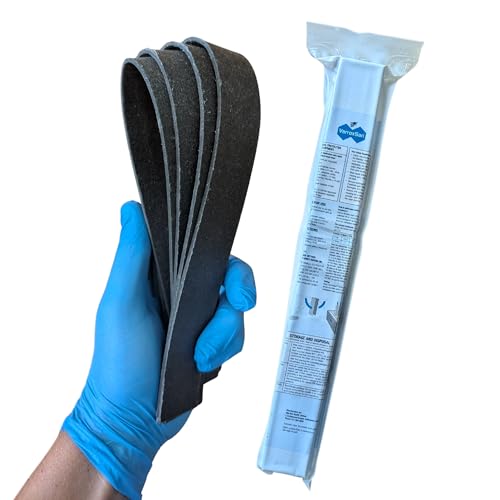
Varroxsan Oxalic Acid Strips provide long-term mite control, delivering oxalic acid in a simple, slow-release format. The product line accommodates different operation scales with packs available in 20, 60, and 600 strips, enabling flexibility for small apiaries to larger operations. The system is designed to hang between frames and operate without mixing, reapplication, or elaborate preparations. It is compatible with honey supers and recent guidance emphasizes its safety for bees, brood, and queens when used as directed. This makes Varroxsan a practical addition to an integrated mite-management approach, especially for extended treatment windows of 6–8 weeks.
Beekeepers should note that oxalic acid treatments are particularly effective when weather conditions and colony brood cycles support elevated mite drop. The slow-release approach minimizes worker disturbance while maintaining effective concentrations in the hive interior. For those prioritizing a residue-free or low-disturbance option, Varroxsan offers a compelling choice within routine mite control plans.
Varroa Easy Check Mite Tester

The Varroa Easy Check Mite Tester is designed for rapid, on-site mite counting. Its patented basket design lets mites fall through a measuring area, enabling quick assessments of infestation levels. A built-in measuring cup provides molded lines for accurate sampling, making field counts more reproducible. The tester is particularly valued for its portability and reliability, minimizing cross-contamination and guesswork during inspections. Beekeepers use it alongside sugar shake or alcohol wash methods to gauge varroa pressure and guide treatment timing.
When using a mite tester, ensure proper sanitation between samples and follow sugar shake or alcohol wash protocols for consistent results. The tool’s rugged construction supports repeated field use, and its efficiency helps managers decide whether to apply a treatment, adjust IPM strategies, or monitor progressive mite declines after interventions.
Mann Lake Formic Pro Varroa Mite Treatment

Formic Pro offers an extended shelf-life mite treatment with a focus on residue-free performance. The product line emphasizes natural composition and eco-friendliness, suitable for beekeepers who value sustainability and honey safety during treatment cycles. The 10-dose format supports moderate hive populations while maintaining practical handling and storage. For operations seeking a straightforward, residue-free option, Formic Pro provides a practical alternative to traditional chemical strips, with careful attention to colony dynamics during treatment windows.
Formic-based products operate under a unique set of conditions, including temperature and hive ventilation. Beekeepers should verify local climate suitability and manage hive access during treatment to minimize stress. The extended shelf life is a practical advantage for seasonal use and stock planning, helping maintain readiness for mite challenges across varying apiary scales.
Buying Guide: Key Purchase Considerations
Choosing Varroa mite treatments involves balancing efficacy, safety for bees and brood, honey quality, and operational practicality. The following perspectives help clarify options:
- Mode of action: Chemical strips (such as amitraz) provide robust, consistent results but require careful adherence to application timing and potential resistance management. Natural thymol-based products offer a lower-chemical approach with flexible timing but can be climate-sensitive. Oxalic acid products provide residue-free options when used correctly, with temperature and brood cycle considerations.
- Colony life stage and brood pattern: Treatments like oxalic acid are often most effective when colonies have low brood. Strips that release slowly can cover longer windows. Matching the treatment to the colony’s activity and brood state improves outcomes.
- Application logistics: Some products require specific placement between frames, while testers and monitoring tools help inform when to treat. Consider your hive layout, equipment, and labor availability when selecting products.
- Safety and honey integrity: For operations focusing on honey purity, residue-free or natural options may be preferred. Always follow label instructions to protect bees and ensure honey quality.
- Cost and scalability: Larger apiaries tend to favor scalable solutions (e.g., multi-pack oxalic acid strips) and reliable monitoring tools for data-driven decisions. Hobbyists may prioritize ease of use and flexibility in timing.
In practice, an integrated approach often yields the best results: monitor Varroa levels with a reliable tester, apply one or more of the most effective treatments at the right times, and recheck to guide subsequent actions. This multi-pronged strategy helps sustain colony health while supporting honey production and overall apiary productivity.