Answer: For a 1-year-old dog, choose a balanced adult formula that supports lean muscle, steady energy, and immune health. The top picks below cover standard adult nutrition, small-breed needs, and transitional options as your dog moves from puppy to adult. Each product is suited to different life stages, activity levels, and breed sizes.
Quick comparison table of selected products
- Blue Buffalo Life Protection Formula Chicken Adult Dry Dog Food, 5 lb — Best for average-sized adults seeking balanced nutrition
- Blue Buffalo Life Protection Formula Chicken Small Breed Dry Dog Food, 5 lb — Best for small-breed adults needing higher energy density
- Hill’s Science Diet Adult 1-6 Small & Mini Dry Dog Food — Best for small breeds or dogs needing veterinarian-endorsed balance
- Purina ONE Lamb and Rice Formula Dry Dog Food — Best for digestive support and sensitive stomachs
- Blue Buffalo Life Protection Formula Chicken Puppy Dry Dog Food — Best for transitional needs if your 1-year-old is still growing (in certain cases)
Blue Buffalo Life Protection Adult Dry Dog Food — Real Chicken First

This adult formula starts with real chicken as the first ingredient to support lean muscles and daily energy. It provides complete nutrition with protein, wholesome carbohydrates, and LifeSource Bits for immune support. Best for: mid-sized to large dogs needing balanced daily nutrition and immune support. Caution: not ideal for dogs with grain sensitivities if corn or other grains are an issue in the diet.
Blue Buffalo Life Protection Small Breed — Real Chicken First

This small-breed formula retains Blue Buffalo’s real chicken first and adds LifeSource Bits for antioxidants, tailored for higher energy needs in compact-sized dogs. Best for: small-to-medium indoor dogs that need dense nutrition in smaller kibble. Caution: small-breed formulations may be too energy-dense for very calm, large, or inactive dogs.
Hill’s Science Diet Adult 1-6 Small & Mini — Trusted Veterinarian Formula

Hill’s Science Diet 1-6 is designed to lean toward lean muscles and balanced energy for small and mini dogs. It emphasizes high-quality protein, a well-balanced mix of fats and carbs, and supports ideal body weight. Best for: small breeds or teens transitioning to adult meals who prioritize a veterinarian-backed option. Caution: may be formulated with specific nutrient ratios that differ from other brands; consult your vet if your dog has unique needs.
Purina ONE Lamb & Rice — Digestive Support
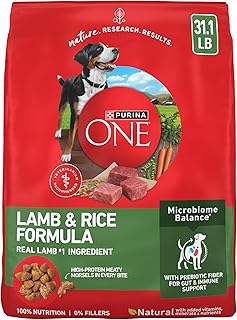
This formula features real lamb as the first ingredient, plus digestive-friendly fiber and prebiotic support to help gut health. Best for: dogs with sensitive stomachs or digestive concerns seeking a reliable, easily digestible protein source. Caution: lamb-based recipes can be less common in some households; ensure your dog doesn’t develop a nutritional imbalance if switching from another protein source.
Blue Buffalo Life Protection Puppy — Growth Support

This puppy-specific formula supports muscle growth and brain development with DHA and LifeSource Bits. Best for: dogs aged 2–12 months or dogs in a growth phase that still require puppy nutrition. Caution: transitions to adult formula should occur at the appropriate age to prevent weight gain or digestive issues.
Buying Guide: Key Considerations For 1-Year-Old Dogs
How to choose by size and activity
Small-breed dogs often need smaller kibble and higher energy density. Medium-to-large dogs benefit from balanced protein and carbs that support steady energy without excessive calories. Consider your dog’s activity level and body condition when selecting a formula.
Protein quality and ingredient order
Look for real meat as the first ingredient and avoid fillers with little nutritional value. A well-formulated adult diet should include fiber, Omega fatty acids, and minerals to support coat, joints, and digestion.
Digestive health and immune support
For dogs with sensitive stomachs or immune concerns, probiotics, prebiotic fiber, and antioxidant-rich ingredients can provide extra support. If your dog has known sensitivities, check for potential allergens such as corn, soy, or wheat in the ingredient list.
Transitioning from puppy to adult food
Most dogs transition between 12 and 18 months. A gradual mix plan (50/50, then 75/25) helps prevent digestive upset. Monitor energy, stool quality, and body condition during the switch.
Brand trust and veterinary recommendations
Brands with a history of veterinary collaboration often provide formulations aligned with canine nutrition science. Consider options with proven protein sources and balanced macronutrients for long-term health.
Frequently Asked Questions
- What should I feed a 1-year-old dog? Feed an age-appropriate adult formula or a transitioning puppy-to-adult formula that matches size and activity. Look for real meat as the first ingredient and balanced nutrition for growth completion and steady energy.
- Is small-breed food better for my 1-year-old dog? If your dog is a small breed, a small-breed formula can be better due to smaller kibble and higher energy needs per pound, but it’s not required for all small dogs.
- Should I switch brands during the transition? A gradual transition over 7–10 days helps minimize digestive upset. Monitor stool and energy during the switch.
- What ingredients indicate good digestive support? Look for prebiotics or probiotics, and fiber sources such as beet pulp or chicory for gut health. Avoid excess fillers and artificial additives.
- Can I feed my 1-year-old adult dog puppy food? Only if the dog is still growing or has veterinary guidance to do so. Many dogs finish growth around 12 months, and continuing puppy formulas can lead to excess calories.
- Do dairy or grain-free options help? Grain-free is not universally beneficial and may be unnecessary unless your dog has grain sensitivities. Dairy is generally not needed in regular dog foods and should be avoided unless advised by a vet.
Note: This article presents objective information about several 1-year-old dog food options. Always consult with a veterinarian to tailor a diet to your dog’s specific health needs and growth stage.