When a dog has allergies or sensitive digestion, choosing a hypoallergenic, easily digestible diet can make a noticeable difference. This guide highlights five anti-allergy dog foods designed for skin, coat, gut health, and overall well-being. Best for dogs with grain sensitivities, grain-free needs, or chicken-free diets, these options focus on high-quality proteins, limited ingredients, and added probiotics. Each product is evaluated for who it’s best for and why, with practical notes on potential limitations.
- Best for dogs with chicken allergies or sensitivities
- Better for dogs needing gut support with probiotics
- Choose this if you want a skin-and-coat focus with omega fatty acids
- Ideal for dogs seeking limited-ingredient diets
| Product | Best For | Key Benefit |
|---|---|---|
| VICTOR Sensitive Skin & Stomach | Dogs needing gluten-free, chicken-free formula | Prebiotics, probiotics, Omega fats |
| Diamond Naturals Skin & Coat | All life stages needing healthy skin and coat | Real salmon protein, probiotics, antioxidants |
| Nutro Limited Ingredient Diet Lamb | Sensitive dogs with limited ingredients | 10 ingredients or less, lamb first |
| PetLab Co. Allergy & Immune Probiotic Chews | Support for seasonal allergies and yeast balance | Probiotics, colostrum, omega-3s |
| Hill’s Science Diet Sensitive Stomach & Skin | Digestive and skin support with prebiotics | Digestible formula with vitamins and fatty acids |
VICTOR Sensitive Skin & Stomach – Salmon Meal & Brown Rice

Victor Sensitive Skin & Stomach is a gluten-free formula without chicken, crafted to support dogs prone to allergies. It emphasizes salmon meal as the first protein and includes Omega 3 and 6 fatty acids with Vitamin E for skin health. The recipe incorporates prebiotics and probiotics to support gut microbiome balance and digestion, which can be beneficial for dogs with sensitive stomachs. Best for dogs avoiding chicken and gluten, seeking gut-friendly nutrition and a healthy coat.
Who it’s best for: Dogs with chicken or gluten sensitivities, or those needing added gut support. Why selected: Balanced protein and essential fatty acids paired with probiotics address skin, coat, and digestion in one bag.
Caution: While labeled gluten-free, verify any specific grain sensitivities and consult a veterinarian for severe allergies or immune concerns.
Diamond Naturals Skin & Coat Puppy, Adult & Senior Dry Food Salmon

Diamond Naturals Skin & Coat uses real salmon as the #1 ingredient to support healthy skin and shiny fur across life stages. This formula includes vegetables, superfoods, and antioxidants, plus omega fatty acids for skin and coat benefits. It also features species-specific probiotics to aid digestion and immune health. Best for dogs needing a broad-life-stage option with strong skin and coat support.
Who it’s best for: Dogs of any life stage needing a straightforward, nutrient-dense diet focused on skin health. Why selected: Real salmon and probiotic support provide a compelling balance of palatability and functional benefits.
Caution: Some dogs may require a grain-free or simpler ingredient profile if they have multiple or severe sensitivities.
Nutro Limited Ingredient Diet Lamb & Sweet Potato
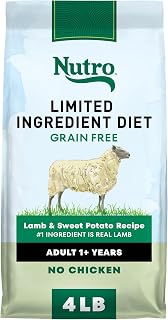
Nutro Limited Ingredient Diet uses lamb as the primary protein with 10 ingredients or fewer, catering to dogs with sensitivities to common additives. It avoids chicken, beef, corn, wheat, soy, and dairy, aiming to nourish sensitive skin with Omega 3 and 6 fatty acids. Best for dogs that benefit from a constrained ingredient list and straightforward nutrition.
Who it’s best for: Dogs with ingredient sensitivities or allergies who respond to a simple recipe. Why selected: A focused formula designed to reduce potential irritants while supporting skin and coat.
Caution: Not all dogs tolerate lamb as well as other proteins; monitor for any personal sensitivity to lamb proteins.
PetLab Co. Allergy & Immune Probiotic Chews

PetLab Co. Allergy & Immune Probiotic Chews are soft chews designed for allergy support and yeast balance. They include omega-3s, colostrum, and prebiotics to support gut health, skin condition, and immune function. Best for dogs needing supplemental probiotic support and a convenient treat-like format.
Who it’s best for: Small to medium dogs, especially those facing seasonal allergies or yeast-related skin issues. Why selected: Combines probiotics with immune-supporting ingredients in an easy-to-administer form.
Caution: Supplements should complement, not replace, a veterinarian-prescribed plan for severe allergies or immune concerns.
Hill’s Science Diet Sensitive Stomach & Skin Small Bites

Hill’s Science Diet Sensitive Stomach & Skin Small Bites offers triple support for stomach, skin, and immune health with a highly digestible formula. It includes prebiotic fiber for gentle digestion and is enriched with Vitamin E and Omega-3 & 6 fatty acids to promote a healthy coat. Best for dogs needing a balance of digestive comfort and skin support in a small-bite format.
Who it’s best for: Dogs with sensitivities in stomach plus skin issues who benefit from a veterinarian-backed diet. Why selected: Proven formulation designed to aid digestion while supporting skin health.
Caution: Some dogs may require a chicken-free or grain-free option if they have broader sensitivities beyond stomach issues.
Buying Guide
Key considerations when selecting anti-allergy dog food include protein source, ingredient simplicity, and digestive support. Evaluate whether a formula is chicken-free, grain-free, or designed for limited ingredients based on your dog’s sensitivities. Look for added probiotics or prebiotics to support gut health and immune function. Consider life stage needs, as some products target puppies, adults, or all life stages. Also weigh palatability and texture, such as kibble size or chews, for picky eaters or small breeds.
What should I prioritize for a dog with skin issues?
Prioritize foods with high-quality fats (Omega 3 and 6) from sources like salmon or fish oil, along with vitamins like Vitamin E to support skin integrity and coat health.
Is a limited-ingredient diet better for allergies?
Limited-ingredient diets reduce potential irritants and can help identify triggers. Start with a single protein source and minimal fillers, then monitor your dog’s response.
Are probiotics important for allergy-prone dogs?
Probiotics support gut health, which is linked to immune function and skin condition. Look for formulas that clearly state probiotic strains and counts.
How do I know if a food is suitable for all life stages?
All life stage formulas are labeled to support puppies through seniors. If unsure, choose products marketed as All Life Stages or consult with a veterinarian to ensure viability for your dog’s age and size.
How should I introduce a new anti-allergy dog food?
Gradually transition over 7–14 days by mixing increasing portions of the new food with the current diet to minimize digestive upset.
What’s a quick checklist before buying?
- Check for chicken-free and grain-free options if needed
- Look for probiotics or prebiotics
- Choose a protein your dog tolerates well
- Consider life stage and size compatibility
FAQ
- What is the best anti-allergy dog food for sensitive skin?
Foods with salmon or other fish proteins, and added Omega fatty acids, are often effective for skin health. - Do probiotics alone help with allergies?
Probiotics support gut health, which can influence immunity and skin condition, but should be part of a balanced diet. - Should I switch diets for seasonal allergies?
Diet changes can complement allergy management, but consult a vet for persistent symptoms. - Can my dog outgrow an allergy?
Some sensitivities change with age; a vet can help reassess dietary needs over time. - Are limited-ingredient diets necessary for all dogs?
No; they’re helpful for certain sensitivities, but not mandatory for every dog with allergies. - What if my dog refuses the new food?
Try gradual mixing, warm the food slightly, or add a small topper to improve palatability.