If you’re stocking up for a pond or large aquarium, bulk fish food pellets offer a cost-effective, convenient feeding solution. This guide compares five widely available options, highlighting who each is best for, and where to choose one over another. The top picks cover koi and goldfish, pond species, and sportfish alike. Use the table below to quickly compare core strengths and intended users.
| Product | Best For | Key Point |
|---|---|---|
| General pond fish, multi-species | Floating pellets with 32% protein | |
| Sportfish and larger ponds | High-protein for growth | |
| Koi and goldfish | Large pellets, 32% protein | |
| Koi and goldfish feeding | Floating, probiotics, low phosphorus | |
| All pond fish | Balanced protein, digestibility |
Purina AquaMax Pond Food For A Variety Of Pond Fish
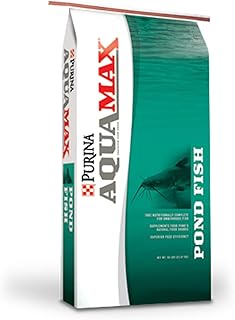
Best for: Mixed-species ponds with bluegill, bass, catfish, koi, and other pond residents. This nutritionally balanced, floating formula supports steady growth and is easy to manage because the pellets stay afloat. The 32% protein level aims to promote muscle development without excessive fat.
Why selected: Floating design helps prevent overfeeding and water quality issues. It provides a steady energy source for omnivorous pond fish and simplifies portion control in larger ponds or lakes.
Caution: Overfeeding can still occur if portions aren’t monitored, which may affect water quality. Best used with a regular feeding schedule and pond maintenance plan.
Purina Aquamax Sportfish MVP

Best for: Sportfish species and larger ponds that require a high-protein diet. It emphasizes muscle growth in bluegill, bass, and trout and is positioned as a robust feed for active fish. This option is better for aquariums or ponds hosting high-energy fish that demand rapid, sustained growth.
Why selected: Higher protein profile supports rapid, healthy growth in sport fish and active pond residents. The formula is designed to stay palatable in cooler water conditions, aiding consistent feeding.
Caution: The higher protein content may not be ideal for all water temperatures or for ponds with restricted feeding windows. Monitor feeding to prevent excessive nutrient load in the water.
Big Kahuna Koi Food Pellets

Best for: Koi and goldfish with a focus on color retention and growth. The 3/16″ to 1/4″ floating pellets are suitable for larger pond occupants and aim to deliver balanced nutrition through a protein-rich formula.
Why selected: A 32% protein level supports rapid growth and muscle development, while added vitamins and a nutrient mix promote overall health and coloration in koi and goldfish.
Caution: Large pellets may be challenging for smaller fry or juvenile fish. Use with species-appropriate portions and adjust as fish grow larger.
HALF OFF PONDS Grow Pro
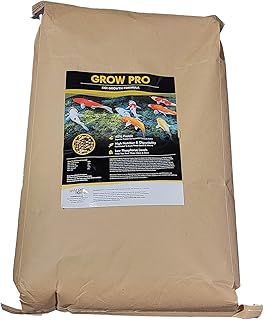
Best for: Koi and goldfish that require a medium-energy, floating pellet with probiotic support and lower phosphorus. This option emphasizes coloration and digestive health while helping maintain water quality through controlled feeding.
Why selected: Probiotics and low phosphorus can support gut health and reduce nutrient runoff, making it suitable for ponds with stricter nutrient management.
Caution: This product uses floating pellets that may take longer to fully consume in very large ponds; adjust feeding times accordingly to avoid waste.
Kaytee Koi’s Choice Floating Pellets

Best for: All-season pond fish including koi and goldfish, with a focus on digestibility and balanced nutrition. The 35% protein helps support growth and tissue development while staying palatable.
Why selected: Fishermen and pond keepers looking for a versatile, all-season pellet value this option for its simplicity and reliable performance across species.
Caution: Pellet size and texture may vary by batch; check the pellet size to ensure it is appropriate for your fish size and mouth gape.
Buying Guide: How To Choose Bulk Pond Pellet Food
What factor matters most in a bulk pond pellet?
Protein content affects growth and feeding efficiency. Higher protein can promote faster growth but may require careful management to prevent water quality issues. Choose 28–32% protein for general pond fish; 32% or higher for sport fish or growing koi in active ponds.
Floating vs sinking: which should you pick?
Floating pellets are easier to monitor and reduce waste by preventing bottom-leaching contamination. They are ideal for larger ponds or multi-species tanks. Sinking pellets can work well for bottom-feeding fish or ponds with feeding access challenges.
Water quality considerations
Bulk feeds vary in phosphorus and fat content. Low-phosphorus formulas help reduce algae blooms in nutrient-rich ponds. If your water is sensitive, look for low- or balanced-protein formulas with probiotic benefits.
Fish type and size
Large koi and bass benefit from larger pellet sizes and higher protein. Smaller goldfish or fry need smaller pellets to prevent choking. Always match pellet size to fish mouth size and feeding behavior.
Feeding management tips
- Feed in measured portions and remove uneaten pellets after a few minutes.
- Adjust feeding frequency with water temperature and fish activity.
- Seasonal shifts may require changing formulas to support metabolism and coloration.
- Store pellets in a cool, dry place to preserve quality.
Common questions about bulk pond pellets
- Are bulk pellets better than bagged options?
- How do I prevent pond water from turning cloudy?
- Can I mix different brands?
- What is the best feed for koi growth?
- What should I do if my fish stop eating?
- How long do bulk pellets stay fresh?
Bulk pellets are typically cost-effective for large ponds and many fish. They allow consistent feeding, but quality should be checked—look for fresh packaging and clear ingredient lists.
Feed only what fish can consume within a few minutes and remove leftovers. A well-balanced diet plus regular pond maintenance helps control turbidity.
Yes. Mixing can accommodate diverse species or life stages, but ensure the protein and fat levels align with your fish’s needs to avoid digestive stress.
Koi benefit from higher-protein floating pellets with digestive aids and minerals that support color and growth. Adjust portions to minimize waste and maintain water quality.
Check water temperature, dissolved oxygen, and feeding schedule. Reduced appetite may indicate stress or poor water conditions rather than a dietary issue alone.
Store in a sealed container in a cool, dry place. Avoid exposure to humidity, which can degrade quality and lead to spoilage over time.