Finding the right cat food for colitis involves selecting formulas that support gentle digestion, reduce inflammation, and promote healthy stools. This guide highlights five reputable options designed to minimize flare-ups while providing balanced nutrition. Each product features ingredients focused on easy digestion, gut-friendly fibers, and overall coat and immune health. Use the product choices below to compare options and discuss with your veterinarian to tailor a plan for your cat.
| Product | Brand | Key Digestive Benefit | Format |
|---|---|---|---|
| Hill’s Science Diet Perfect Digestion | Hill’s Science Diet | Promotes regularity and healthy stools; supports digestive microbiome | Dry |
| ORIJEN Original Dry Cat Food | ORIJEN | High animal-protein, grain-free for sensitive systems | Dry |
| Hill’s Science Diet Sensitive Stomach Dry | Hill’s Science Diet | Precise blend with prebiotic fiber for gut health | Dry |
| Wellness CORE+ Digestive Health Pate | Wellness | Grain-free formula with prebiotic fiber and omega fatty acids | Wet (Pate) |
| Purina ONE Sensitive Stomach Dry | Purina ONE | Easy-to-digest formula with added prebiotic fiber | Dry |
Note: This introduction outlines options commonly recommended for digestive comfort in cats with colitis. Always verify suitability with your veterinarian, and if symptoms persist, seek veterinary guidance promptly.
Hill’s Science Diet Perfect Digestion

Designed for digestive comfort, this dry formula emphasizes a blend that promotes regularity and healthy stools. The recipe aims to support digestive well-being and a healthy microbiome, focusing on ingredients chosen to minimize upset stomachs. It offers a measured approach to feeding cats with colitis symptoms, ensuring essential nutrients while supporting gut health.
ORIJEN Original Grain Free Dry Cat Food

ORIJEN Original uses a biologically appropriate, high-protein approach with fresh and raw ingredients and 90 percent animal ingredients. While it is grain-free and designed for digestion and overall vitality, its rich protein profile may require gradual introduction for cats with sensitive stomachs. It is intended to support digestion, coat health, and heart wellness across life stages when introduced appropriately.
Hill’s Science Diet Sensitive Stomach Dry

Updated formula with precise balance and highly digestible ingredients tailored for cats with sensitive stomachs. Features prebiotic fiber to fuel beneficial gut bacteria and support a balanced microbiome, plus omega-6 fatty acids and vitamin E to support a healthy coat. This option emphasizes easy digestion without sacrificing essential nutrition.
Hill’s Science Diet Sensitive Stomach & Skin (3.5 lb)
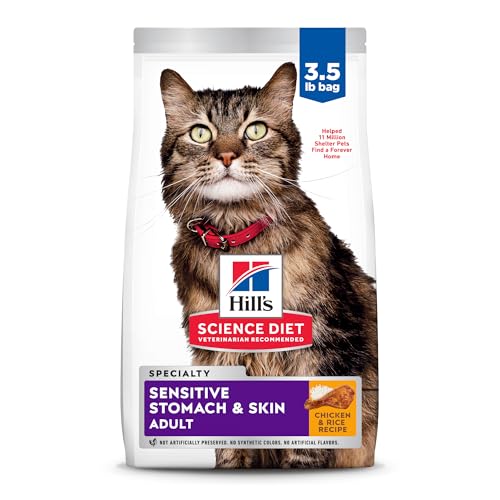
This updated formula focuses on sensitive stomach and skin support, combining easy-to-digest ingredients with prebiotic fiber to sustain gut health and a balanced microbiome. Omega-6s and vitamin E help maintain coat condition, contributing to overall well-being for cats prone to digestive issues.
Purina ONE Sensitive Stomach Dry

This formula targets sensitivity with an easily digestible blend and prebiotic fiber to support gut health. Real turkey provides protein to support muscle and heart health, while the crunchy texture aids dental health. Aimed at cats with sensitive systems, it helps maintain a balanced immune response through antioxidant support.
IAMS Proactive Health Urinary Tract Healthy Dry

Purpose-built for overall digestive support with a focus on urinary health, this kibble combines natural fiber and prebiotics to assist digestion. The formula also promotes skin and coat health with a balanced Omega fatty acid profile, making it a multi-faceted option for cats with colitis concerns that may involve urinary or systemic digestive considerations.
Buying Guide: Key Purchase Considerations For Cats With Colitis
- Digestive-friendly ingredients: Look for formulas with easily digestible proteins, limited ingredients to minimize potential irritants, and prebiotic fibers to support gut bacteria.
- Protein sources and fat balance: Cats with sensitive digestion may benefit from moderate to high-quality protein sources and balanced fats. Gradual transitions can reduce flare-ups.
- Texture and palatability: Some cats prefer dry kibble, others favor wet pâté or stews. A mix of textures can support moisture intake and digestion, especially if hydration is a concern.
- Fiber and gut health: Prebiotics and soluble fibers can aid gut health and stool quality. Consider products that emphasize these components without excessive fillers.
- Hydration and moisture: Wet foods can improve hydration, which supports digestive tract health. A combination of dry and wet foods may be beneficial.
- Veterinary guidance: Colitis can have multiple triggers. Always coordinate diet changes with your veterinarian, especially if symptoms persist or worsen.
- Life stage and overall health: Consider your cat’s life stage, coat condition, and any concurrent conditions (skin, urinary, or immune issues) when choosing a formula.
- Transition approach: Introduce new foods gradually over 7–14 days to minimize GI upset. Monitor stools and appetite closely during the transition.