When kidney health is a concern, selecting the right cat food can help support renal function and overall wellbeing. This guide highlights five kidney-friendly options that balance protein quality, phosphorus levels, and palatability. It’s useful for cat owners managing kidney concerns, seniors, or pets needing a veterinary-backed dietary approach. The table below provides a quick snapshot of each product’s focus and suitability.
| Product | Best For | Key Benefit |
|---|---|---|
| Forza10 Renal Wet Cat Food | Cats needing kidney support with tasty texture | Hydrolyzed protein and controlled phosphorus for renal health |
| Dave’s Kidney Support Cat Food | Cats requiring low phosphorus and low protein diet | Clinically designed to support kidney function without prescription |
| Hill’s Prescription Diet k/d Wet Cat Food | Cats with diagnosed renal issues needing veterinary-backed nutrition | ActivBiome+ Kidney Defense for gut-kidney support |
| Hill’s Prescription Diet k/d Dry Cat Food | Dry-compliant renal support with veterinary guidance | Clinically proven nutrition with kidney-focused prebiotics |
| Dave’s Kidney Support Cat Food (Alternative) | Wet kidney-support option for varied palates | Low phosphorus and low protein in a palatable formulation |
Forza10 Renal Wet Cat Food for Kidney Support

Best for: Cats that need kidney-focused nutrition with a focus on palatability. This wet food uses hydrolyzed and potato protein to control phosphorus and support renal health. It includes cranberries, dandelion, and clover extract for kidney support, and is free from GMOs, by-products, wheat, soy, artificial colors, or preservatives.
Why chosen: It targets kidney health while offering a texture many cats enjoy. Suitable for owners seeking an Italian-made option with veterinary-inspired formulation. Caution: Not a prescription product; always confirm suitability with a veterinarian for advanced renal disease.
Dave’s Pet Food Kidney Support Cat Food, Chicken & Vegetable Stew

Best for: Cats with compromised kidney function requiring low protein and low phosphorus. This clinical-grade, non-prescription diet supports kidney health with a low-protein formulation and collaboration with veterinary nutritionists.
Why chosen: Explicitly designed to support kidney function without prescription, making it accessible for many owners. Caution: Protein and energy targets should be tailored to the cat’s needs; verify suitability with a vet for ongoing renal management.
Hill’s Prescription Diet k/d Kidney Care Wet Cat Food

Best for: Cats needing veterinary-backed, evidence-based renal support. This wet food features ActivBiome+ Kidney Defense to support kidney health through gut microbiome balance.
Why chosen: It is a leading option in veterinary nutrition, designed to maintain kidney function and improve quality of life. Caution: Higher cost and requires veterinary oversight for chronic kidney management.
Hill’s Prescription Diet k/d Kidney Care Dry Cat Food
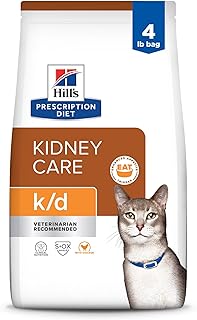
Best for: Cat owners preferring dry kibble with veterinary-guided renal support. The dry formula mirrors the wet option with ActivBiome+ Kidney Defense for kidney protection.
Why chosen: Provides consistent renal nutrition in a dry format, useful for cats with dry-food preferences or feeding schedules. Caution: Some cats may prefer wet varieties; transition to dry needs careful gradual changes to avoid stomach upset.
Buying Guide: Key Considerations For Kidney-Support Cat Food
- Protein Quality and Levels: Look for brands that offer controlled protein and high-quality amino acids to reduce kidney workload while preserving muscle mass.
- Phosphorus Content: Lower phosphorus helps reduce kidney strain. Check the product’s labeled phosphorus range and consult a vet for individual targets.
- Form Factor: Wet vs. dry foods affect hydration and appetite. Wet foods can aid hydration, while dry foods may support dental health and convenience.
- Veterinary Backing: Prescription options are typically guided by veterinarians; non-prescription formulas should still be chosen with veterinary input for chronic kidney care.
- Palatability: Kidney-friendly does not mean flavorless. Look for formulations with appealing textures and flavors to encourage consistent eating.
- Ingredient Transparency: Prefer formulas with clear protein sources, natural ingredients, and minimal artificial additives.
- Brand and Formulation Claims: Distinguish between general kidney support and medically targeted diets. Choose based on disease stage and vet recommendations.
Frequently Asked Questions
- What is the difference between kidney-support and prescription kidney diets?
Answer: Kidney-support diets can be non-prescription and suitable for early-stage kidney concerns, while prescription diets are formulated under veterinary guidance for more advanced renal disease. - Should I switch to a low-protein cat food for kidney disease?
Answer: Low-protein diets can help in some cases, but protein requirements vary. Consult a veterinarian to tailor protein and phosphorus targets to your cat’s condition. - Is wet food better than dry for kidney health?
Answer: Wet food can improve hydration, which is beneficial for kidney function, but a balanced approach may combine both forms as advised by a vet. - Can these products treat kidney disease?
Answer: These products support kidney health and function but are not cures. Ongoing veterinary supervision is essential for chronic kidney care. - Are these formulas safe for all cats with kidney issues?
Answer: Individual health status, stage of kidney disease, and existing conditions affect suitability. Always consult a veterinarian before changing diets. - How do I transition my cat to a kidney-support diet?
Answer: Gradually mix the new formula with the current food over 7–14 days, increasing the new food portion while monitoring appetite and stools.