Tapeworm infections are a common concern for cats, often linked to fleas or exposure to rodents. This guide reviews five reputable cat tapeworm treatments, summarizing how they work, dosing options, and practical considerations for home use. Each option below targets tapeworms in cats and kittens, with different forms to fit your pet’s needs and your routine.
| Product | Brand | Form | Notes |
|---|---|---|---|
| Elanco Tapeworm Dewormer | Elanco | Tablets | 3-count bottle; crumbles with food |
| Giarcidia Tapeworm Liquid | Giarcidia | Liquid | 60 ml with dropper |
| Durvet WormEze Liquid | Durvet | Liquid | 8 oz; easy to add to water or food |
| No More Tapeworms in Cats | Giarcidia | Liquid Dropper | 3 ml dosing; cat-friendly |
| VetaSure Tapeworm Dewormer | VetaSure | Liquid | 100 mL; includes 3 ml dropper |
Elanco Tapeworm Dewormer For Cats
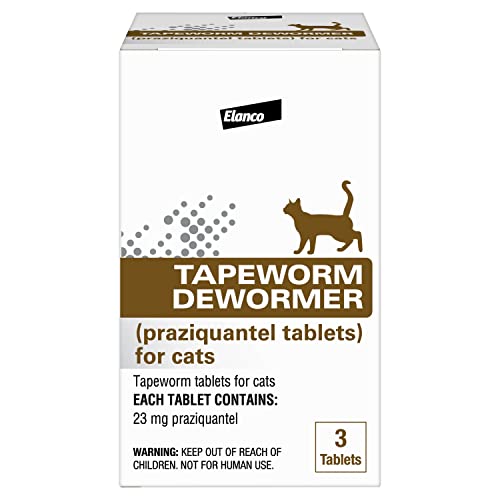
Elanco’s Tapeworm Dewormer provides a straightforward approach for cats and kittens six weeks and older. The product features praziquantel tablets designed to target common tapeworm species. The 3-count bottle is suitable for households with multiple cats or for a short treatment window. Dosing can be accomplished by crumbling tablets and mixing them with food or administering directly by mouth, offering flexibility for pets that resist pills. This option is described as an easy, effective method for removal of tapeworms commonly found in felines.
Key considerations: Praziquantel is the active ingredient and is widely used for tapeworm control. Tablet crumbling can improve acceptance for picky eaters, though some cats may prefer a pill given by hand. Storage and expiration are typical for veterinary deworming products, so check packaging for guidance. As with all dewormers, ensure your pet has access to clean water and monitor for any adverse reactions after dosing.
GiarCidia Prazi Liquid Dewormer for Cats

This liquid formulation from Giarcidia targets tapeworms in cats and kittens, with an included 3 ml dropper for dosing precision. The product is marketed as effective for eliminating intestinal parasites while potentially offering broader health benefits such as immune support and digestive reinforcement. The liquid format can be easier for some cats to accept than tablets, especially when combined with food or given directly via the dropper. Safety notes emphasize gentle use for various breeds and ages, though owners should follow feeding guidelines and consult a veterinarian if there are preexisting health concerns.
Key considerations: Liquid dewormers can simplify dosing for difficult-to-pill cats. Confirm appropriate dosage based on weight and age, and monitor for any signs of intolerance. While some claims highlight additional health benefits, the primary aim remains tapeworm control. As with other products, ensure you’re using a product designed for cats and follow the included dosing schedule.
Durvet WormEze Liquid For Cats & Dogs

Durvet WormEze is an economical liquid antihelmintic designed for both canines and felines, including puppies and kittens over six weeks. While it targets large roundworms primarily, it is presented as an inexpensive option for broad-spectrum intestinal parasite control, with easy-to-use dosing that can be added to water or food. For households with multiple pets or mixed species, it offers a versatile approach. Potential limitations include focus on a broader range of parasites, so cats presenting with isolated tapeworm infections should verify suitability with a veterinarian.
Key considerations: Liquid form can streamline administration, particularly for smaller cats or those who resist pills. Ensure compatibility with your pet’s age and weight, and observe for any adverse reactions after administration. This product is positioned as cost-effective, making it appealing for ongoing parasite management, provided it aligns with veterinary guidance for your pet’s specific needs.
No More Tapeworms In Cats Dewormer
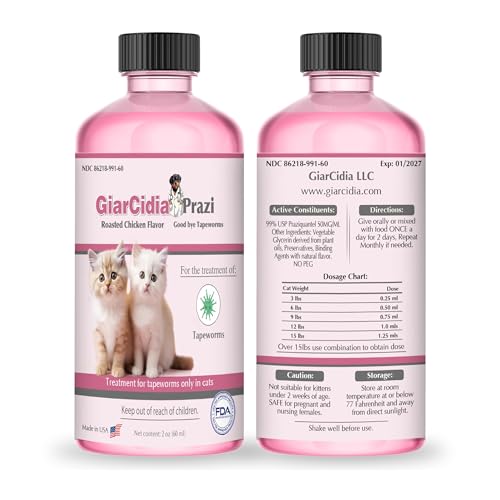
This option from Giarcidia is marketed specifically for cats and kittens, with a focus on tapeworm control. The product is dispensed as a 3 ml dropper, designed to deliver precise dosing without the need for tablets. The labeling suggests suitability across life stages, including younger kittens, making it a potentially convenient choice for households with rapidly growing kittens or cats with varying dosing needs.
Key considerations: Ensure the product is labeled for cats and kittens, and follow the recommended dosing schedule. Because this option emphasizes tapeworm focus, confirm it targets the species of tapeworm suspected in your pet. If fleas or rodent exposure is ongoing, address those factors in tandem to prevent reinfection.
VetaSure Tapeworm Dewormer For Cats

VetaSure offers a praziquantel-based liquid dewormer designed for cats six weeks and older. The bottle includes a 3 ml dropper for precise dosing, and the formula emphasizes fast-acting tapeworm treatment in a gentle oral solution. This option is suited for households seeking an easy-to-dose liquid with a clearly labeled dropper and scalable administration for both kittens and adult cats. Consider flea control alongside tapeworm treatment to reduce reinfection risk.
Key considerations: Praziquantel is a standard treatment for tapeworms, commonly paired with flea management. Liquid formulations can help with picky eaters, as dosing can be done directly or mixed with wet food. Always adhere to the recommended dosage and timing, and consult a veterinarian if your cat has a history of allergies or other medical conditions.
Buying Guide: Key Purchase Considerations
- Active ingredient and spectrum: Most cat tapeworm products rely on praziquantel. Verify the active ingredient and confirm it covers your cat’s tapeworm species, particularly Dipylidium caninum or Taenia species.
- Administration form: Tablets, liquids, and droppers each have pros and cons. Choose a form that matches your cat’s cooperation and your dosing routine. Liquid forms can be easier for small kittens or pill-resistant cats.
- Age and weight suitability: Ensure the product is labeled for cats six weeks or older and appropriate for your pet’s weight. Some products are safe for kittens as young as three weeks, while others target adult cats only.
- Safety and vet guidance: While many OTC dewormers are formulated for home use, consult a veterinarian if your cat has concurrent health issues, flea infestations, or a history of adverse reactions to medications.
- Flea and reinfection control: Tapeworms are commonly linked to flea exposure. Combine deworming with a flea control program and environmental cleaning to reduce reinfection risk.
- Administration schedule: Follow dosing intervals exactly as recommended. Some products require single-dose treatment, while others may require repeated dosing to ensure full clearing of parasites.
- Food and water considerations: For liquid formulations, determine whether dosing with food or water is recommended. For tablets, consider whether your cat accepts pills or if you should mix with a small amount of palatable food.
- Pet safety and handling: Store products as directed, keep out of reach of children, and handle droppers and syringes with care to maintain hygiene and dosing accuracy.