Answering the needs of handlers, groomers, and pet owners, these dog bite proof gloves are designed to protect hands and forearms during interactions with dogs and other animals. They are suitable for professionals like veterinarians and trainers, as well as responsible amateurs who work with pets that may bite or scratch. The following selections emphasize reinforced leather, long sleeves, and bite defense, helping you choose the right level of protection for your tasks.
Overview at a glance:
| Product | Best For | Key Benefit | Notable Limitation |
|---|---|---|---|
| RAPICCA Animal Handling Gloves | Medium-to-large dogs, cats, birds, reptiles | Double leather protection with insulated cotton | Best used with a bite sleeve for large dogs |
| WZQH 23.6 In Gloves | Large or aggressive animals, reptiles, livestock | Extra-long 23.6 inch sleeve for forearm protection | Bulkier; dexterity may be reduced |
| PetFusion Multipurpose Pet Glove | General grooming and vet visits | Water resistant with flexible grip | Puncture and scratch resistance is not bite-proof |
| Animal Handling Gloves – Bite-Proof | Multi-species handling, casual to professional use | Padded protection for hands | Limited product detail on material breakdown |
| Animal Handling Gloves Bite Proof Reinforced Leather | High-risk bites, birds, reptiles, snakes | Kevlar-reinforced palms and very long sleeve | Heavier and stiff for fine dexterity |
RAPICCA Leather Bite-Proof Handling Gloves

Best for: hobbyists and professionals who handle medium animals like cats, birds, or small reptiles. The gloves use genuine cowhide split leather with insulated cotton and reinforce double leather finger palms and backs for enhanced bite resistance. The design aims to prevent punctures while keeping dexterity adequate for grooming or feeding tasks.
Why selected: This model emphasizes reinforced protection with a practical 16-inch length, balancing bite resistance with flexibility for everyday handling. It is especially suitable when you want reliable protection without going to extreme lengths of coverage.
Limitations: For large aggressive dogs, consider pairing with a bite sleeve for additional forearm protection. The gloves focus on bite-proofing small to medium animals rather than overpowering larger breeds.
WZQH Extra-Long Gloves For Animal Handling

Best for: handlers requiring forearm protection across large or potentially aggressive animals, including livestock or reptiles. The glove length offers additional coverage, reducing exposure to bites and scratches on the forearm.
Why selected: The extended sleeve design minimizes bite risk during demanding tasks where forearm exposure is common, such as restraint or extended grooming. It is a strong choice when maximum protection matters more than ultimate finger dexterity.
Caution: The added length can reduce finger movement precision for delicate grooming. Consider pairing with shorter gloves for tasks needing fine dexterity.
PetFusion Multipurpose Pet Glove

Best for: pet grooming, veterinary visits, and general handling where a water-resistant, flexible glove is desirable. Good for quick tasks and light restraint without heavy bite-proofing requirements.
Why selected: It offers water resistance and a comfortable grip, facilitating grooming and handling with reduced moisture exposure. It is better for routine care than for high-risk bite scenarios.
Limitation: It is not designed as a true bite-proof glove, so it should not be relied upon for high-risk bite protection. Choose this when dexterity and water resistance are prioritized over bite resistance.
Animal Handling Gloves – Bite-Proof, Padding

Best for: multi-species handling where padding adds comfort and reduced bite risk during routine tasks. The padding can help when frequent gripping is required or during training sessions with smaller animals.
Why selected: Provides a balance of protection and comfort for everyday handling, particularly for casual users or hobbyists who prioritize padding as a comfort feature.
Limitation: Specific bite-proof performance is less documented. Use as a supplementary layer in higher-risk scenarios.
Animal Handling Gloves Bite Proof Reinforced Leather
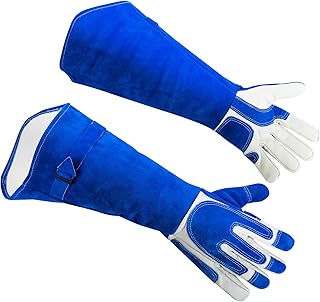
Best for: high-risk bite scenarios involving birds, snakes, and reptiles, or long forearm protection needs. The gloves feature reinforced leather with a long sleeve design for enhanced coverage.
Why selected: The Kevlar-reinforced palms and long forearm sleeve bolster bite resistance and overall guarding against scratches from sharp claws or beaks. This is a robust option for professional use.
Caution: Heavier weight and reduced dexterity can limit fine manipulation. Choose this when maximum protection is required and precision tasks are limited.
Buying Guide: Key Considerations For Choosing Dog Bite Proof Gloves
- Material And Build: Look for top-grain leather, reinforced palms, and optional Kevlar fibers for bite resistance. Double-layer or reinforced areas protect critical zones like finger joints and knuckles.
- Length And Coverage: Short (around 12-16 inches) vs. long sleeves (over 20 inches) affect forearm protection and dexterity. Longer sleeves reduce bite exposure but may hinder detailed work.
- Dexterity vs. Protection: Higher protection often reduces finger agility. Decide based on typical tasks: grooming and handling vs. restraint or training with strong dogs.
- Grip And Dexterity: Puncture-resistant but flexible gloves improve control when grabbing leashes, toys, or equipment. Water resistance helps during baths or rain.
- Intended Use: For vet clinics or grooming where multi-species interaction is common, choose gloves that balance bite resistance with comfort and ease of cleaning.
- Maintenance: Leather gloves require cleaning and conditioning to maintain bite resistance and longevity. Check manufacturer care instructions.
Frequently Asked Questions
- What makes gloves bite-proof?
– Bite-proof gloves use layered leather, reinforced palms, and sometimes Kevlar or similar fibers to resist bites and punctures. They are designed to protect hands during animal handling and reduce bite risk. - Are longer gloves always better for protection?
– Longer gloves protect more forearm area and are advantageous for larger or more aggressive animals, but they can reduce finger dexterity for fine tasks. - Can these gloves be used for all pets?
– They are intended for a range of animals, including dogs, cats, birds, reptiles, and small livestock. Always assess the bite risk and choose the level of protection accordingly. - How should I care for bite-proof gloves?
– Clean according to the manufacturer’s instructions, condition leather as needed, and store away from direct heat. Regular inspection for wear helps maintain protective integrity. - Is there a risk of overheating in long gloves?
– Some long-sleeve designs can feel warmer; select lighter models for warmer climates or tasks requiring extended wear. - Do these gloves guarantee no bite injuries?
– No glove guarantees complete protection; they reduce risk and provide a barrier, but responsible handling, proper technique, and environmental controls remain essential.