Dog training bells offer a simple, non-confrontational way to teach your canine to signal when they need to go outside. This guide reviews five highly regarded options and compares their key features, durability, and adjustability. Whether you have a new puppy or an older dog, these bells can help reduce accidents and improve communication at home.
Buying quick, reliable tools for potty training matters. The table below summarizes the five featured doorbell products, highlighting brand, key strengths, and what to expect at a glance.
| Product | Brand | Key Strengths | Best Fit For |
|---|---|---|---|
| BLUETREE Premium Doorbells | BLUETREE | Three-length adjustment, easy training steps, clear signaling | Small to large dogs wanting simple setup |
| BLUETREE 2 Pack | BLUETREE | Two-bell set, strong signal, flexible placement | households needing redundancy |
| COOYOO Adjustable Doorbells (5 Bells) | COOYOO | Double-sided tape, wide length range, sturdy strap | Flexible mounting and larger dogs |
| GINIDEAR Door Bells | GINIDEAR | Handmade look, long length, loud, clear tone | Potty signaling across big spaces |
| KLOGTSIND Adjustable Door Bell | KLOGTSIND | Three-length snaps, easy-to-train instructions, durable | Puppies to seniors, versatile mounting |
BLUETREE Premium Doorbells For Potty Training

BLUETREE offers a popular single-dog doorbell with a three-level adjustable length design. The bells are described as an easy training method, encouraging dogs to signal when nature calls rather than barking. The setup emphasizes simple, step-by-step training and positive reinforcement. The product is pitched as a non-confrontational communication tool that can reduce house accidents by improving consistency between signals and response. The three adjustable lengths accommodate a range of door heights and dog sizes, from small to large, making it a versatile option for growing puppies or multi-dog homes.
BLUETREE Two-Pack Dog Doorbells

This 2-pack from BLUETREE provides redundancy and flexibility for households with more than one dog or different training zones. Like the single-doorbell option, these bells emphasize ease of use and straightforward training steps. The dual-bell setup gives you options for placing bells on two doors or within different rooms, supporting consistent cues across the home. The product highlights adjustable length and a broad appeal to both small and large dogs, ensuring that the signaling mechanism remains accessible as your pet grows.
COOYOO Adjustable Potty Training Door Bells (5 Bells)

COOYOO’s model emphasizes flexible mounting with a double-sided tape and adjustable strap system. The design accommodates various door heights and wall placements, offering a broader range of installation options than door-handle-only bells. The buckle-based length adjustment supports gradual growth from puppy to adult dog, making it a strong choice for families who want a longer-lasting solution. The 26.5 to 43 inch range helps ensure the bell remains reachable and functional as your dog progresses through training stages.
GINIDEAR Handcrafted Dog Bells To Go Outside

GINIDEAR features a handcrafted, twisted-rope design with a long 35-inch length. The bells are mounted for versatility and offer a traditional, attractive look while delivering a loud, clear signal. The extra length ensures reach across larger doorways or from various positions in a room, making it suitable for bigger dogs or multi-room homes. Its handmade aesthetic adds a unique touch to training gear without compromising audibility or signaling strength.
Luckyiren Upgraded Puppy Bells With 3 Snaps

Luckyiren emphasizes durability and adjustable length via three snaps, designed to grow with your dog. The product highlights a premium belt and robust connections, aiming to minimize wear and tear over time. The jingling mechanism uses a stainless-steel interior for a crisp, reliable sound, helping ensure your dog’s signal is heard clearly around the house. This option suits households prioritizing longevity and consistent performance across training stages.
COOYOO Five-Bell Upgrade Door Belts
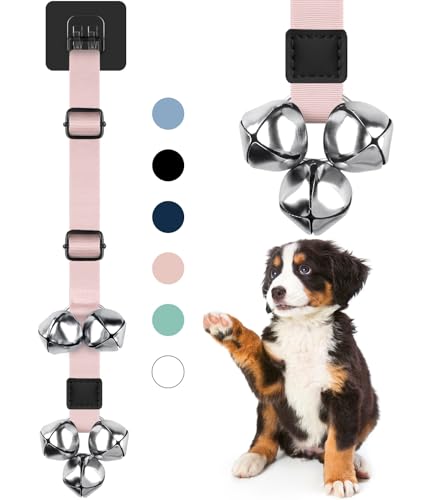
This COOYOO model is an upgraded version featuring five bells and a design similar to the previous COOYOO entry, with emphasis on a stronger strap and extended length range. The combination of a sturdy mounting system and an adjustable sliding buckle makes it a flexible option for homes with varying door heights or multiple dogs. The inclusion of a robust mounting approach aims to minimize accidental detachment during training sessions and ensure consistent signaling.
Buying Guide: Key Purchase Considerations For Dog Training Bells
- Adjustability: Look for bells with multiple length settings or easy-to-adjust straps so the signal is reachable and comfortable for dogs of different sizes and as they grow.
- Mounting Flexibility: Double-sided tape, wall mounting, or door-knob compatibility can influence where you place the bell and how firmly it stays in place.
- Sound Clarity And Volume: Bells should produce a loud, clear tone without being overly loud or stressful for the dog or household. Consider models offering different bell shapes or tones if you have multiple dogs.
- Durability And Chew-Resistance: If your dog tends to gnaw, choose chew-proof materials or reinforced parts to prevent early wear or failure.
- Training Ease: Step-by-step guidelines, included training tips, and visible signaling quality contribute to faster and more reliable learning for both dog and owner.
- Maintenance And Cleanliness: Removable components or materials that are easy to wipe down help keep training gear hygienic, especially in busy households.
- Multiple Bells Versus Single Bell: A two-bell or multi-bell setup can help signal different needs or be placed at multiple entry points, offering more flexibility for multi-room homes.
Additional Perspectives: What To Expect In Real-World Use
Durability matters when choosing training bells. For homes with energetic dogs or dogs that tend to tug or bite, a sturdy strap and robust bell housing reduce replacements. Training ease varies with dog temperament and routine; some dogs respond within a few training sessions, while others require consistency over weeks. Placement strategy—near the main exit or near frequented rooms—can influence training success. If you share your space with multiple dogs, a second bell setup may help establish individualized signals for different pets, reducing confusion.
How To Train Your Dog To Use Bells
- Introduce the bell as a cue. Let your dog sniff and investigate the bell at the door.
- Associate ringing with a treat. Each time the dog touches or nudges the bell, reward immediately with a treat and praise.
- Gradually reduce prompts. Encourage the dog to ring independently by offering praise and a treat when the bell rings on its own.
- Set consistent routines. Use the bell at predictable potty times and after meals to reinforce the goal of signaling needs clearly.
Manufacturers often provide training guides and step-by-step instructions. When selecting a product, prioritize models with clear signals, adjustable lengths, and versatile mounting options to fit your home layout and dog size. Consistent practice remains the most reliable predictor of success in dog signaling and potty training.