Find dog treats that are safe for daily rewarding, training, or comforting snacks. This guide highlights five top options, each chosen for clear safety attributes, simple ingredients, and suitability for a range of dogs. Best for pet parents seeking gluten-free, grain-free, or limited-ingredient treats that minimize common allergens.
Summary of selected products:
| Product | Key Safety / Diet | Best For |
|---|---|---|
| Country Kitchen Rawhide Free Ring Dog Chews | Rawhide-free, beef, gluten-free | Pups needing easily digestible chews |
| Blue Buffalo Health Bars Pumpkin & Cinnamon | Natural ingredients, no by-products, grain-free | Dogs with sensitivities to poultry or grains |
| Portland Pet Food Pumpkin Dog Treats | Human-grade, grain-free, limited ingredients | Dogs with allergies or sensitive stomachs |
| Bocce’s Bakery PB & Banana Soft & Chewy Treats | Limited ingredients, baked in USA, low calories | Puppies and small mouths needing softer texture |
| Shameless Pets Bacon Me Crazy Meaty Tenders | Real bacon, grain-free, no artificial flavors | All breeds and life stages seeking tasty, soft treats |
Country Kitchen Rawhide Free Ring Dog Chews

Best for dogs that enjoy a chewy texture without rawhide. Made with real beef, these rings are easy to digest and gluten-free, wheat-free, and soy-free. The airy chew provides a satisfying bite while aiming to minimize common digestive issues. Choose this if your dog has dietary restrictions and you want a straightforward beef-flavored chew. Caution: Not all dogs tolerate every chew shape; monitor for signs of choking in small dogs or eager chewers.
Blue Buffalo Health Bars Pumpkin & Cinnamon Dog Biscuits

Best for dogs needing a crunchy, oven-baked treat with natural ingredients. These bars feature pumpkin and cinnamon and are free from chicken by-products, corn, wheat, and soy. They are designed to support a healthy, balanced snacking routine and are formulated with veterinarians and nutritionists in mind. Best for dogs with grain or poultry sensitivities; avoid if your dog requires highly restricted ingredients or has a pumpkin intolerance. Remember that crunchy biscuits can be harder for very small or elderly dogs with dental issues.
Portland Pet Food Pumpkin Dog Treats

Best for dogs that need a limited-ingredient, grain-free pick with human-grade standards. Real pumpkin is used, offering natural fiber to aid digestion, and the product notes vegan preparation with five wholesome ingredients. Ideal for dogs with allergies or sensitive stomachs who still want a flavorful snack. A potential limitation is the small-biscuit count per bag, so plan portioning for larger dogs or frequent training sessions.
Bocce’s Bakery PB & Banana Soft & Chewy Treats

Best for dogs needing a soft, chewy bite with limited ingredients. Made with oat flour, peanut butter, and banana, these treats are baked in the USA and provide just nine calories per treat. The limited ingredient list supports dogs with sensitivities, while the soft texture helps puppies and senior dogs alike. Limitation: Not ideal for dogs with peanut allergies or those seeking very crunchy textures.
Shameless Pets Bacon Me Crazy Meaty Tenders
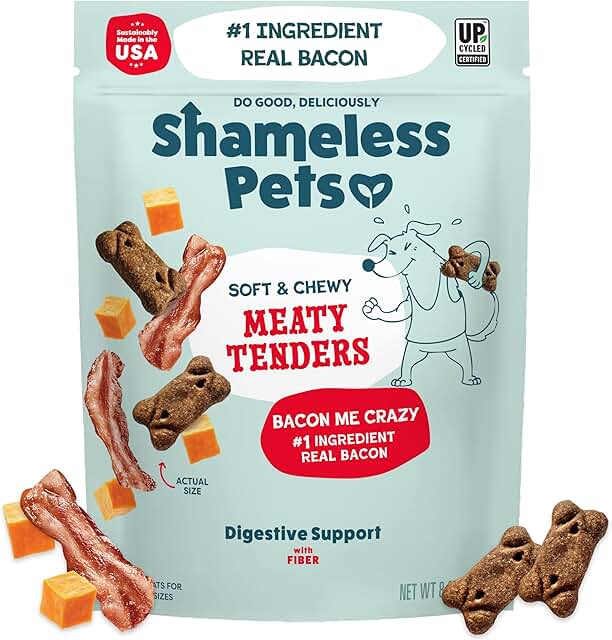
Best for dogs that love real bacon flavor and a soft texture. These grain-free treats avoid corn, soy, and artificial flavors, prioritizing simple, meat-forward ingredients. Suitable for daily rewards, training, or special treats across life stages. Caution: Check for sensitivity to pork products and ensure the treat size is appropriate to avoid choking in small dogs.
Buying Guide: Key Purchase Considerations
What should I look for in safe dog treats?
- Ingredients: Prefer limited-ingredient lists with recognizable components. Look for grain-free or gluten-free options if your dog has sensitivities.
- Dietary needs: Consider allergies (poultry, beef, pork), grain tolerance, and any veterinary guidance on low-calorie or dental-friendly options.
- Texture and size: Choose soft chews for seniors or small breeds; crunchy biscuits can be better for larger chewers or dental health routines.
- Allergens and additives: Avoid artificial flavors, sweeteners, or fillers when possible. Real meat as a primary ingredient is typically a plus.
- Digestibility and safety: Rawhide-free options reduce choking and digestive risk. Monitor your dog during the first few servings.
How to choose between similar treats?
- For sensitive stomachs: favor grain-free or limited-ingredient options with real pumpkin or banana as digestible fibers.
- For training: low-calorie, bite-sized treats with appealing aroma and texture work best.
- For picky eaters: consider softer, aroma-rich options with familiar flavors like peanut butter or bacon.
Storage and handling tips
- Properly reseal bags or containers to maintain freshness and prevent moisture exposure.
- Rotate treats to prevent craving fatigue and maintain interest during training.
- Always supervise dogs while chewing to avoid accidental choking on larger pieces.
Frequently Asked Questions
- Are all “safe” dog treats actually safe for every dog?
- What makes a treat grain-free or limited-ingredient?
- Can puppies eat these treats?
- Are there treats without artificial flavors?
- How should I introduce a new treat to my dog?
- What if my dog has a food allergy?
No. Safety depends on individual dog health, allergies, and sensitivities. Always check ingredients and consult a veterinarian if unsure.
Grain-free treats omit grains like corn, wheat, and soy. Limited-ingredient treats use a smaller number of primary components, aiding easier digestion.
Several listed options are suitable for puppies, but always check the packaging for age guidelines and supervise during chewing.
Yes. Some options emphasize real ingredients and avoid artificial flavors, preservatives, or fillers.
Introduce gradually in small amounts to monitor digestion and any allergic reactions.
Choose treats with an allergen-free ingredient list and consider consulting a veterinarian for a tailored plan.