If your dog struggles with digestion, you need proven, veterinarian-endorsed options that are gentle on the tummy. This guide highlights five highly digestible dog foods suitable for adult dogs with sensitive stomachs or digestive concerns. Each product section explains who it’s best for, why it’s a strong choice, and a potential limitation to consider. The aim is clear, practical guidance to help you pick the right formula for your canine companion.
Summary of chosen products:
- Blue Buffalo True Solutions Digestive Care Chicken Adult Dry Dog Food (4 lb)
- Hill’s Science Diet Sensitive Stomach & Skin Wet Dog Food Variety Pack
- Hill’s Science Diet Sensitive Stomach & Skin Dry Dog Food (Chicken)
- Blue Buffalo True Solutions Digestive Care Chicken Dog Food (Wet, 12 ct)
- Purina Pro Plan Sensitive Skin & Stomach Dry Dog Food (Salmon)
Blue Buffalo True Solutions Digestive Care Dry Dog Food

Best for dogs needing clinically proven prebiotic support to maintain stool quality. This veterinarian-formulated dry food uses real chicken as the first ingredient and excludes corn, wheat, and soy, reducing common digestion irritants.
Who it’s best for: Adult dogs with sensitive stomachs who benefit from prebiotic fibers and a no-grain-impact profile. Why chosen: Strong veterinary nutrition backing and a focus on digestive health with trusted ingredients.
Limitation: Some dogs may still require gradual transition due to dietary changes. Best practice is to mix with existing food during a week-long transition.
Hill’s Science Diet Sensitive Stomach & Skin Wet Dog Food Variety Pack

Best for dogs who prefer wet meals and benefit from easily digestible stew textures. The variety pack provides two flavors with slow-cooked texture designed to support digestion and ease of stool pickup.
Who it’s best for: Dogs that eat wet food or require added palatability for digestive comfort. Why chosen: Wet formula and stews tend to be gentler on the stomach while providing appealing flavor.
Limitation: Wet food portions require refrigerating leftovers and have shorter shelf life after opening.
Hill’s Science Diet Sensitive Stomach & Skin Dry Dog Food (Chicken)

Best for dogs needing a highly digestible, balanced dry formula with prebiotic fiber to support nutrient absorption and a healthy coat. It emphasizes stomach comfort and immune support through carefully selected ingredients.
Who it’s best for: Adult dogs requiring reliable stomach support and skin/coat benefits. Why chosen: Combines digestibility with nutrient density, backed by veterinary recommendations.
Limitation: Some dogs may show sensitivity to specific protein sources; monitor for digestive changes after the switch.
Blue Buffalo True Solutions Digestive Care Chicken Wet Dog Food

Best for dogs needing a gentle, moist protein option with prebiotic fiber to support digestive health and stool quality. Real chicken is the first ingredient, and the formula suits sensitive stomachs requiring easy digestion in a canned format.
Who it’s best for: Dogs that eat wet foods better than dry or require an easily digestible texture. Why chosen: Wet food can improve palatability and digestion for some dogs with sensitivities.
Limitation: Wet food has a shorter shelf life after opening and may require separate portions from dry foods to avoid overfeeding.
Purina Pro Plan Sensitive Skin & Stomach Dry Dog Food (Salmon)
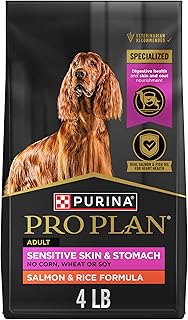
Best for dogs that benefit from real salmon as the first ingredient and prebiotic fiber to aid digestion and skin health. The formula is designed to support a healthy coat and joint comfort with omega-3s.
Who it’s best for: Adult dogs with sensitive stomachs and seasonal skin concerns. Why chosen: Salmon provides high-quality protein and omega-3 fatty acids for digestion and coat health.
Limitation: Some dogs may react to fish-based proteins; gradual transition is advised to prevent digestive upset.
Buying Guide: Digestible Dog Food For Sensitive Stomachs
What to look for when choosing digestible dog food:
- Protein source: Real meat as the first ingredient supports digestibility and palatability.
- Prebiotic fiber: Helps balance gut bacteria and improve stool quality.
- Fiber and fat balance: Moderate fat and easily digested fibers aid stomach comfort.
- Texture: Dry, wet, or semi-moist formats—choose based on your dog’s feeding preferences and digestion response.
- Allergens: Look for gluten-free or grain-free options if your dog has grain sensitivities.
- Transition strategy: Gradually mix new food with old food over 7–10 days to minimize upset.
What kind of digestive needs matter most?
Dogs with sensitive stomachs benefit from formulas with prebiotic fibers and easily digestible carbohydrates. If your dog has skin or coat concerns, selecting options with omega-3 and omega-6 fatty acids can support both digestion and skin health.
Choosing dry vs. wet options
Dry formulas are typically more convenient and cost-effective, with a long shelf life after opening. Wet options can be more palatable and easier to digest for some dogs, though they require portion control and refrigeration after opening.
Allergen considerations
Common triggers include corn, wheat, and soy. Some products avoid these ingredients and rely on real meat and fiber to support digestion. If your dog has known allergies, verify ingredient lists and consult a veterinarian for a tailored plan.
Transition and monitoring
Introduce any new diet slowly to prevent GI distress. Monitor stool quality, appetite, energy, and coat health during the transition. Seek veterinary guidance if digestive issues persist or worsen.
Frequently Asked Questions
- What makes a dog food easy to digest? Foods with real meat as the first ingredient, prebiotic fibers, and gentle carbohydrates typically support digestion and stool quality.
- Is wet food better than dry for sensitive stomachs? Wet food can be easier to digest for some dogs and may be more palatable, but dry food is convenient and often balanced for digestion as well.
- How long should I transition to a new food? A gradual 7–10 day transition helps minimize GI upset and allows the gut to adapt.
- Can I mix dry and wet foods? Yes, mixing can be a good option if your dog tolerates it, but keep portions consistent to avoid overfeeding.
- What ingredients should I avoid for sensitive stomachs? Common irritants include corn, wheat, soy, artificial colors, and high-fat ingredients. Look for formulas with limited, high-quality ingredients.
- When should I consult a vet? If digestive issues persist, weight loss occurs, or your dog shows signs of pain or dehydration, seek veterinary advice promptly.