Choosing the right feed containers helps keep hay, grain, and supplements clean, dry, and easy to access for horses and other livestock. The following selections emphasize durability, large capacity, and practical features like hanging options and spill resistance. Whether you need a rugged bucket for daily feeding or a large trough for group meals, these options cover various farm setups and horse care routines.
| Product | Brand | Capacity / Size | Highlights |
|---|---|---|---|
| BRUTE Container With Lid | Rubbermaid Commercial Products | 20 gallons | Large capacity; semi-transparent; labeled content indicators |
| Brute 2-Gallon Flat-Back Feed Bucket | Rubbermaid Commercial Products | 2 gallons | 3-in-1 hanging/carrying design; durable |
| Goovilla Large Feed Trough | Goovilla | 9 quarts | Hanging or screw-in options; 2-pack |
| Little Giant 10 Quarts Flat-Back Bucket | Little Giant | 10 quarts | Ergonomic flat-back design; durable |
| Cididu Rubber Feed Pan | Cididu | ~8 quarts per pan (3-pack) | Stackable; versatile for multiple animals |
Rubbermaid BRUTE 20 Gal Feed/Seed Container

The Rubbermaid BRUTE 20 Gal Container is designed for large-volume storage of feed and seeds. Its semi-transparent body helps identify remaining contents at a glance, and the lid provides a secure seal to protect against moisture and pests. The container’s shape and materials are intended for frequent use in stable or barn environments, and the labeling icons offer quick content recognition for busy feeding schedules. This option is suitable for birds, small mammals, and larger livestock across different farming setups, including those needing a single, centralized feed bin for groups of animals.
Key considerations include its size and weight when full, the ease of cleaning the interior, and how well the lid seals in dusty barn air. The container supports routine refilling, particularly in operations with stable routines or multi-species feeding. It is built for durability in harsh conditions and can be used as a primary storage bin or a secondary feeder container when paired with a separate feeding trough or bowl system.
Rubbermaid Brute 2-Gallon Flat-Back Feed Bucket
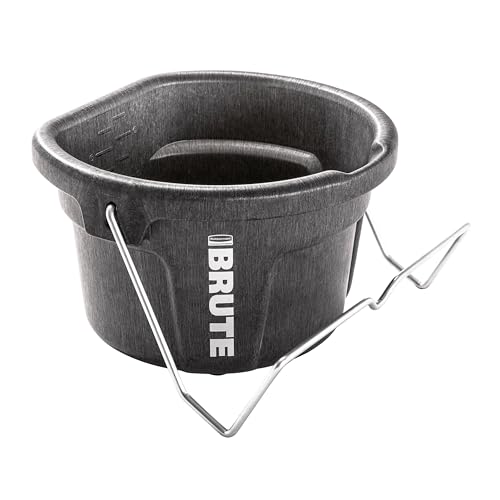
This 3-in-1 flat-back bucket is designed for flexible feeding setups, featuring a patent-pending handle that allows easy feeding, hanging, or carrying. The RIGIDCELL construction mirrors Rubbermaid’s reputation for durability and long-term performance in farm environments. The bucket’s design includes edges and a shape that are mindful of animal interaction, helping reduce spills and fit into various stall or pen configurations. It’s a practical option for daily horse feeding routines or as a portable feeder for regional pasture management.
Consider its portability, how the flat-back design fits against walls or stall corners, and whether your feeding routine benefits from a hanging-or-carry model. Maintenance is straightforward due to the smooth interior surface, and the bucket can be cleaned quickly between uses. This option balances durability with versatility in a rental or seasonal use scenario as well.
Goovilla Large Feed Trough

The Goovilla Large Feed Trough is designed for large animals and groups, offering a substantial capacity and flexible mounting options. The trough can be hung or screwed into fences, rails, or walls using the included hardware. It is described as a 9-quart capacity per trough, with a two-pack setup that supports larger feeding zones or shared feeding stations in barns or pastures. The design emphasizes stable feeding during group sessions, reducing feed spillage and competition among animals.
Key considerations include fixations’ reliability in windy or active environments, resilience to chewing or pawing, and ease of cleaning between feedings. The two-pack option is advantageous for seasonal pasture changes or multi-pen layouts, where synchronized feeding is important. Consider whether you need a trough that can double as a waterer in mixed-farm applications and how weather exposure might affect plastic components over time.
Little Giant Plastic Better Bucket

This 10-quart flat-back bucket from Little Giant combines ergonomic design with durability. The patented, angular shape is intended to align with the animal’s facial structure, making it easier for horses to approach and eat. The high-durability polyethylene resin resists warpage and stress cracks, ensuring consistent service in farm environments. A heavy-duty wire bail handle adds versatility for hanging in stalls or securing the bucket in place during feeding sessions.
When evaluating this option, assess its mounting compatibility with your stalls and the practicality of a flat-back design for stable corners. The bucket’s durability makes it a reliable daily feeder for horses and other livestock, and its ergonomic features may help reduce feeding resistance during routine sessions. Consider how many buckets you need per pen to prevent crowding or competition at mealtimes.
Little Giant Flat Back Plastic Animal Feed Bucket
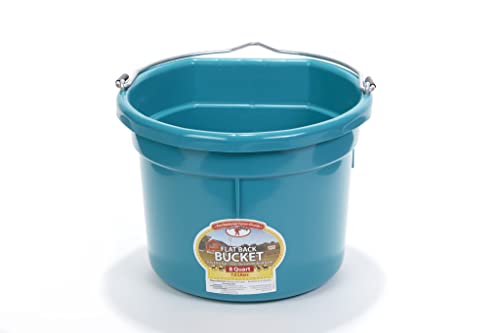
This 8-quart flat-back bucket from Little Giant focuses on ease of hanging and stacking. The flat-back design assists with stable mounting against stall walls, while the plastic resin offers durability against daily use in stables. The bucket includes a robust handle suitable for hanging or carrying, making it a practical choice for individual feeding stations. The product’s stacked design helps farmers optimize storage when not in use.
Consider the height and mounting space in your stalls, ensuring the bucket remains accessible to horses without encouraging spillage or hooves contact. This option is suitable for controlled feeds, supplements, or small grain portions, and it complements a multi-bucket feeding setup in larger stables.
Cididu Rubber Feed Pan (3-Pack)

The Cididu 3-pack Rubber Feed Pan provides a budget-friendly option for multi-animal feeding or backup pans. Each pan holds about 8 quarts, offering ample space to feed a group of horses or other livestock without frequent refills. The rubber construction is designed to resist cracking and weathering, with stackable features for compact storage. Some users report an initial odor, which typically dissipates after airing out in a ventilated area.
Key considerations include odor management, surface cleanliness to prevent residue buildup, and compatibility with existing hanging or surface-mounted feeding setups. The three-pack approach can be advantageous for farms with multiple stalls, minimizing the need to move feeding bowls between animals during daily routines.
Buying Guide: Key Purchase Considerations For Horse Feed Containers
- Capacity and livestock needs: Assess the number of horses or animals served at a time. Larger barns may benefit from 20-gallon containers or multiple troughs to reduce crowding at feeding times.
- Mounting and placement: Decide between hanging, wall-mounted, or freestanding designs. Flat-back buckets are convenient for stall corners, while troughs suit group feeding areas in pens or paddocks.
- Durability and materials: Look for impact-resistant plastic or Rubbermaid-grade materials that resist cracking, warping, and weather exposure. Durable handles and secure lids help with daily use and storage.
- Spill resistance and cleanliness: Choose designs with smooth interiors and features that minimize spills. Semi-transparent or labeled containers can simplify inventory management and reduce waste.
- Maintenance and odor control: Consider whether rubber pans or plastic buckets are easy to wash and dry. Some rubber pans may emit a temporary odor; allow air-out time before first use.
- Versatility: Some products can double as water bowls or support small-scale mixing of feeds, supplements, or medicated diets. Pairing different container types can optimize feeding zones across barns.
- Space and storage: Plan for how many containers you need and how they will be stored when not in use. Stackable designs save space in tight utility rooms.
- Dollar and durability balance: While premium troughs offer extended lifespans, consider budget-conscious options like multi-pack pans for large operations without sacrificing reliability.