Choosing the right feeder insects is critical for the health and growth of reptiles. This guide highlights five practical, nutrient-rich options commonly used by keepers across the United States. Each product below offers distinct advantages, from easy handling to balanced calcium content, helping you tailor a feeding plan to your species’ needs. Whether you keep bearded dragons, geckos, chameleons, or turtles, these feeders provide reliable nourishment and feeding versatility.
| Product | Brand |
|---|---|
| Reptilian Arts Dubia Roaches Live Feeder Insects Medium | Reptilian Arts |
| NutriGrubs Live Feeder Insect | Dubia.com |
| Fluker’s Live Mealworms | Fluker’s |
| CalciGrubs Live Feeder Insect | Dubia.com |
| Fluker’s Fresh Feeder Vac Pack Crickets | Fluker’s |
Note: The following sections provide objective details on each product’s attributes, suitability for various reptile species, and practical feeding considerations. Always assess your animal’s size, appetite, and dietary requirements before introducing new feeders.
Reptilian Arts Dubia Roaches

These medium-size Dubia roaches are presented as nutrient-rich feeder insects with several practical benefits. They are known for high protein content and essential nutrients, supporting steady growth and reproduction in reptiles. The roaches’ non-flying nature reduces the risk of escape and mess, making feeding easier for keepers. The feeding process is generally straightforward, as they are less prone to odor when raised on a diet that includes fruits and grains. This product’s balance of nutrition and ease of handling appeals to owners seeking reliable, low-maintenance feeders for mid-sized reptiles.
Key considerations include the animal’s current diet and preferred prey size. Medium Dubia roaches work well for a range of bearded dragons and certain geckos, while some larger species may benefit from pairing with other feeder insects to diversify nutrition. For households prioritizing cleanliness and convenience, these roaches offer a practical option with predictable size and minimal odor when properly raised.
NutriGrubs Live Feeder Insects
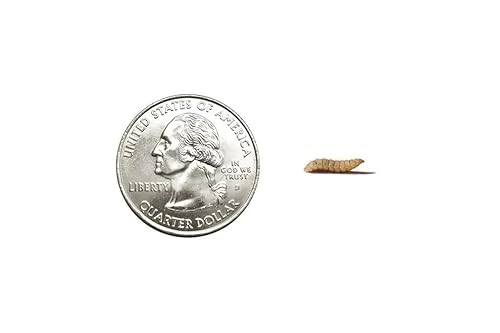
NutriGrubs, a form of live black soldier fly larvae, are presented as a nutritious staple for bearded dragons, geckos, chameleons, and similar reptiles. They offer a compact, edible meal option that some keepers prefer for its calcium content and digestion-friendly profile. These larvae are praised for their ability to serve as engaging treats while delivering essential nutrients without extensive dusting or preparation.
In practice, NutriGrubs provide a convenient alternative to traditional mealworms or crickets for certain species. They’re valued for content that supports bone health and overall vitality. However, as with any live feeder, careful introduction is advised to monitor appetite, gut load, and any potential digestive sensitivities. They can also be used as enrichment to encourage natural hunting behaviors in enclosed habitats.
Fluker’s Live Mealworms

Fluker’s Live Mealworms are a classic staple feeder, offered in large sizes to suit bigger reptiles such as bearded dragons and certain geckos. The product emphasizes gut-loading and hydration strategies to maximize nutrition when feeding. It is marketed as part of a complete care system, including high-calcium diets and hydration aids to promote optimal health. The availability of different size variants helps match prey size to the animal’s mouth and feeding capability.
Practical considerations include ensuring the appropriate mealworm size for your reptile’s age and jaw strength. Mealworms can be highly palatable and active, stimulating feeding responses, but keepers should monitor moisture and gut-load conditions to maintain overall nutrition. Avoid overfeeding and rotate feeder types to minimize dietary monotony and support a balanced diet.
CalciGrubs Live Feeder Insects
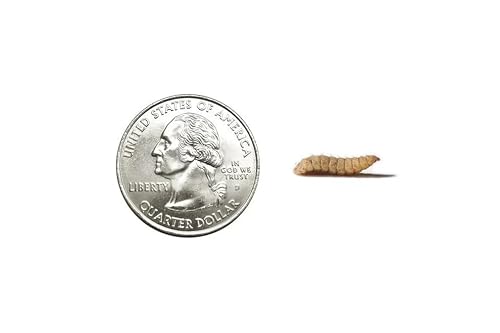
CalciGrubs are another form of live black soldier fly larvae, marketed for their calcium content and suitability as a staple feeder. They are positioned as an excellent choice for reptiles that require robust calcium intake for bone health, often without the need for additional dusting. This makes them a practical option for busy owners seeking reliable calcium delivery through live prey.
Consider the animal’s calcium needs, life stage, and dietary variety when incorporating CalciGrubs. While they offer nutritional benefits, pairing them with other feeders helps ensure a well-rounded diet. Tailoring frequency and portion size to the reptile’s metabolic rate and activity level will support long-term health and energy.
Fluker’s Fresh Feeder Vac Pack Crickets
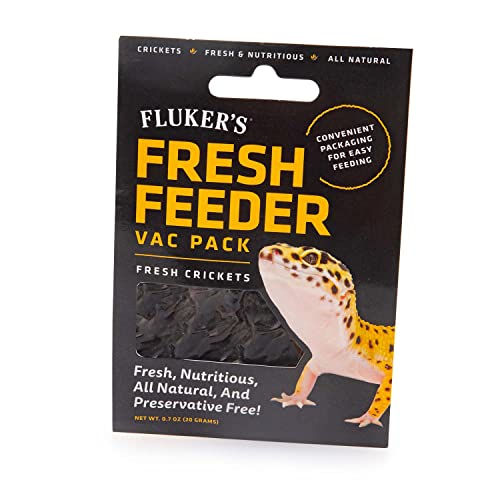
Crickets are a versatile feeder that suits many reptiles, birds, and small animals. Fluker’s Fresh Feeder Vac Pack presents all-natural, preservative-free crickets designed to deliver essential nutrients without artificial additives. The product is positioned as a convenient feeding solution, offering a reliable option when other live feeders are not readily available or when variety is desired.
When using crickets, ensure proper gut-loading prior to feeding and monitor humidity and temperature in the enclosure to minimize stress on insects and maximize ingestion by the reptile. Crickets can be a substantial source of protein and prebiotic energy, but overreliance on a single feeder can lead to nutritional gaps. Rotate with other feeders to support a complete diet.
Buying Guide: Key Purchase Considerations And Comparisons
Species and size compatibility: Match feeder insect size to your reptile’s age, jaw strength, and hunting behavior. Younger animals typically require smaller prey, while larger reptiles can handle bigger options.
Nutritional balance and gut-loading: Evaluate the insect’s protein, fat, and calcium content relative to your pet’s diet. Gut-loading protocols and feeding history influence nutritional value and digestion.
Ease of use and maintenance: Consider handling, odor levels, cleanliness, and how the feeder is raised. Non-flying roaches, for example, often reduce escape risk and mess for busy households.
Variety and enrichment: A varied diet helps prevent nutritional gaps and supports natural hunting instincts. Mixing live feeders with impressive enrichment can improve feeding responses.
Storage, supply reliability, and price: Ensure a steady supply chain compatible with your budget and space. Some products offer longer shelf-life or more straightforward maintenance, which can influence long-term use.
Health and safety: Always source from reputable sellers, inspect insects for signs of disease or parasites, and quarantine new batches to minimize disease risk in the enclosure.
Species-specific considerations: Reptiles with shell or hard-shelled prey requirements may benefit from specific feeder types or calcium-rich options. Always align feeding with species recommendations or veterinary guidance.
Feeding strategy and schedule: Some keepers prefer daily small meals, others opt for larger, less frequent feedings. Design a feeding plan that aligns with your animal’s activity cycle, metabolism, and seasonal changes.
Ethical and welfare considerations: Maintain humane handling practices, avoid overcrowding feeders, and ensure insects have appropriate nutrition and living conditions before feeding.