Whether you’re raising a curious junior bunny or keeping a growing litter healthy, choosing a high-protein, high-fiber rabbit food supports digestion, muscle development, and overall vitality. This guide highlights five top options designed for young rabbits, prioritizing uniform pellets, digestible fiber, and balanced nutrition. It’s ideal for owners seeking reliable, supermarket-friendly feeds that encourage steady growth without encouraging selective eating. Each product is suited to different needs—from uniform pellets to fortified blends with garden-fresh ingredients. The quick reference table below helps you compare core benefits at a glance.
| Product | Best For | Key Benefit | Consideration |
|---|---|---|---|
| Oxbow Essentials Young Rabbit Food (10 lb) | Picky eaters, growing rabbits | High fiber, balanced protein, uniform pellets | Higher protein from alfalfa hay; monitor calcium intake for small breeds |
| Blue Seal Fresh Show Hutch Deluxe 17 (4.5 lb) | Moderate to active youngsters | Extruded nuggets for digestibility, prebiotics | Smaller bag may require more frequent restocking |
| Vitakraft Menu Rabbit Food (5 lb) | Holistic daily diet | Garden-fresh ingredients, fiber-focused | Whole-food blend; check for any added grains if sensitive |
| Premium Alfalfa Hay for Rabbits & Guinea Pigs (9 lb) | Growing kits needing extra hay | High protein and fiber, dental and bone support | Hay-based rather than pellets; best as a supplement or primary forage |
| Oxbow Essentials Young Rabbit Food (5 lb) | Growing rabbits, budget-conscious | Balanced nutrition, strong bone and muscle support | Smaller package; ensure consistent feeding schedule |
Oxbow Essentials Young Rabbit Food, 10 lb
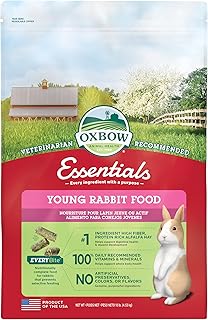
This high-fiber, protein-rich pellet is designed for young rabbits and is fortified with vitamins and minerals. It uses alfalfa hay as a primary ingredient to support energy, digestion, and early muscle development. Best for: growing kits and picky eaters who benefit from uniform pellets that reduce selective feeding. Caution: high calcium content can be a consideration for rabbits with specific medical needs; monitor growth and bone development accordingly.
Blue Seal Fresh Show Hutch Deluxe 17 Rabbit Food, 4.5 lb

Extruded nuggets improve digestibility and slow feed intake to reduce digestive issues. The formulation aims for a solid nutritional balance to support growth and development while including prebiotics to aid the digestive tract and immune system. Best for: rabbits that benefit from a controlled, steady intake and enhanced digestive support. Limitation: smaller bag size may require more frequent purchases for growing rabbits.
Vitakraft Menu Rabbit Food, 5 lb

This nutrient-rich pellet blend emphasizes fiber and garden-fresh ingredients to support digestion, coat quality, and energy. It combines natural grains and vegetables to provide a varied daily diet. Best for: households seeking a holistic approach with a garden-fresh profile. Caution: watch for extra grains if your rabbit has sensitive digestion or grain aversion.
Premium Alfalfa Hay for Rabbits & Guinea Pigs, 9 lb

Alfalfa hay offers concentrated protein and minerals, supporting dental wear, digestion, and growth in young rabbits. This product is locally grown in the USA, hand-picked for quality. Best for: young rabbits needing a protein boost and fiber-rich forage. Limitation: hay-based nutrition should be balanced with appropriate pellets to avoid overconsumption of calcium in some breeds.
Oxbow Essentials Young Rabbit Food, 5 lb

These complete bite-sized pellets deliver balanced nutrition designed for long-term health and daily well-being. The formulation emphasizes high-fiber, protein-rich alfalfa hay, supporting digestive health and muscle development in growing rabbits. Best for: households seeking consistent, complete nutrition in a compact 5 lb package. Caution: ensure a steady feeding schedule to prevent selective eating and to monitor intake in small breeds.
Buying Guide
Key purchase considerations help ensure you select the best high-protein rabbit food for your growing bunny:
- Fiber versus protein balance: High fiber supports digestive health; adequate protein supports growth without stressing the kidneys. Look for pellets that list high-fiber hay as a primary ingredient.
- Pellet uniformity: Uniform pellets reduce selective feeding and ensure consistent nutrient intake. Pellets should be soft enough to chew yet sturdy enough to hold shape.
- Calcium content: Young rabbits require calcium for bone development, but excess calcium in certain breeds can lead to urinary or dental issues. Choose a formulation appropriate for your rabbit’s size and age.
- Digestive aids: Prebiotics or digestible fiber can help establish a healthy gut microbiome, especially in weaning or transitioning diets.
- Hay as a staple: Pellets should complement, not replace, high-quality hay. A forage-forward approach supports dental wear and steady energy.
- Feeding guidance: Follow packaging recommendations for daily intake based on weight and life stage. Introduce any new food gradually to avoid GI upset.
- Storage and freshness: Resealable packaging helps maintain freshness and palatability. Keep food in a cool, dry place away from direct sunlight.
FAQ
- How do I know if a pellet is high protein enough for a growing rabbit?
Look for a formulation with a strong emphasis on alfalfa hay as a primary ingredient and a balanced protein-to-fiber ratio suitable for juveniles. - Is alfalfa-based food okay for all young rabbits?
Alfalfa is protein-rich and calcium-rich; it’s generally good for growing kits but may not be ideal for all breeds. Consult a veterinarian for breed-specific guidance. - Should I mix two brands of rabbit food?
Mixing can upset digestion. If switching brands, do so gradually over 7–10 days to minimize GI disturbances. - Can I rely on hay alone for a growing rabbit?
Hay provides essential fiber and dental wear, but most growing rabbits benefit from a formulated pellet to ensure adequate protein and nutrient balance. - What signs indicate a poor diet transition or intolerance?
Changes in stool consistency, reduced appetite, or bloating may indicate intolerance or GI distress; seek veterinary advice promptly. - How often should I refresh my rabbit’s diet with new food?
When introducing a new brand, do so gradually and monitor for digestive changes for about a week before fully transitioning.