When seeking high-protein dog foods, focus on real meat as the primary ingredient, balanced nutrition, and minimal artificial additives. This guide highlights five popular options that cater to active, adult, or growing dogs and explains who each product is best for, plus practical buying considerations. The top picks span mainstream brands known for protein-forward formulas, helping you compare based on protein content, ingredients, and overall dietary goals for your canine companion.
Buyer’s quick reference table
| Product | Best For | Key Protein Focus | Notes |
|---|---|---|---|
| Pedigree High Protein Adult Dry Dog Food | Active adults needing real meat | Real red meat; 25% more protein | Balanced with 36 vitamins & minerals |
| Nutrish High Protein Dry Dog Food | Budget-conscious homes seeking grain-free | Beef as main ingredient; 30% protein | No poultry by-product meal |
| IAMS Proactive Health High Protein Dry Dog Food | Dogs needing joint support | 80% animal-source protein; glucosamine & chondroitin | Includes joint-support ingredients |
| Diamond Performance Puppy, Adult & Senior | Active dogs across life stages | 83% protein from animal sources; real chicken | DHA and glucosamine for development and joints |
| Purina ONE True Instinct | Protein-forward meals with beef and salmon | 32% protein; real beef first ingredient | No fillers; veterinarian-recommended brand |
Pedigree High Protein Adult Dry Dog Food
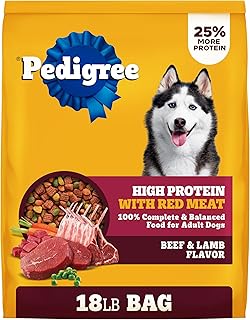
Best for dogs needing a protein boost without premium price, Pedigree High Protein uses real red meat and offers 25% more protein than standard PedigreeAdult formulas. It includes 36 vitamins and minerals to support daily health, along with prebiotic fiber and Omega 6 fatty acids for skin and coat. This dry recipe is 100% complete and balanced for adult dogs, providing steady energy for daily activities. Choose this if you want a widely available option with solid protein content at a practical price point. Caution: Some dogs may require grain-free options or have sensitivities to certain grains.
Nutrish High Protein Dry Dog Food

Better for households seeking a clear protein-forward formula with no poultry by-product meal or artificial preservatives, Nutrish High Protein Dry Dog Food features beef as the primary ingredient and includes venison and lamb for variety. This grain-inclusive recipe delivers about 30% protein from high-quality sources, supporting lean muscle mass in adult dogs. It’s well-suited for active dogs needing robust nourishment on a moderate budget. Limitation: Some dogs may have grain sensitivities; monitor for digestion changes if switching from grain-free options.
IAMS Proactive Health High Protein Dry Dog Food

Best for dogs needing joint support alongside protein-rich nutrition, IAMS Proactive Health High Protein Dry Dog Food emphasizes 80% animal-source protein and includes glucosamine and chondroitin. This formula aims to support muscle development and joint health while providing energy from wholesome grains. Choose this if joint comfort is a priority, but note that some dogs may prefer grain-free options or different protein profiles depending on dietary needs.
Diamond Performance Puppy, Adult & Senior Dry Dog Food

Best for dogs with varied life stages and high activity, Diamond Performance provides 83% of protein from animal sources with real chicken as the first ingredient. At 30% protein content, it supports muscle recovery and daily energy. The formula also includes DHA for brain and vision development and glucosamine for joints and mobility. Choose this if you need a versatile formula that can serve puppies, adults, and seniors under one bag. Caution: Some dogs may require a grain-free option due to sensitivities.
Purina ONE True Instinct Dry Dog Food
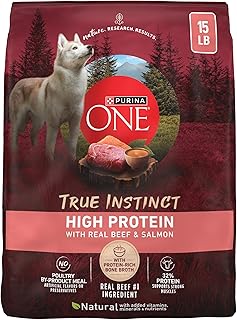
Best for protein-forward meals with real beef and salmon, Purina ONE True Instinct offers 32% protein to support strong muscles and a healthy heart. It relies on real beef as the first ingredient and includes a formula aimed at nutrition with minimal fillers. This option is suitable for dogs whose diets favor recognizable meat sources and veterinarian-recommended brand trust. Limitation: Some dogs may prefer grain-free formulations or alternate protein sources based on dietary needs.
Buying Guide
What should I consider when choosing a high-protein dog food?
Key factors include primary protein source (real meat first), protein percentage appropriate for activity level, grain inclusion vs. grain-free, presence of joint-supporting ingredients, and absence of unnecessary fillers or artificial additives. For highly active dogs, higher protein and controlled carbohydrate content may support endurance and lean muscle mass.
How important are ingredients beyond protein?
Look for named meat ingredients, whole grains or grain-free alternatives if needed, fiber sources, omega fatty acids for skin and coat, vitamins and minerals, and any functional additives like glucosamine or chondroitin. Avoid products with unclear ingredients or filler-heavy compositions unless your dog tolerates them well.
Should I switch foods gradually?
Yes. Transition over 7–14 days by mixing increasing amounts of the new food with the old to minimize digestive upset. Monitor stool consistency, energy, and coat condition during the transition.
What if my dog has dietary restrictions?
For dogs with allergies or sensitivities, consider grain-free options or single-protein formulas to simplify potential triggers. Always consult a veterinarian if you suspect a dietary intolerance, and review ingredient lists for potential allergens.
How do I balance price, quality, and protein?
Higher-protein formulas often come with premium ingredients. Compare protein per calorie, ingredient quality, and whether the product meets your dog’s energy needs. Choose a product that aligns with your dog’s activity level and dietary goals rather than protein content alone.
FAQ
- Is higher protein always better for adult dogs?
Not always. It depends on activity level, health status, and caloric needs. For very active dogs, higher-protein formulas can support muscle maintenance, while less active dogs may require moderation to avoid excess calories. - Can mixed-protein sources affect digestion?
Some dogs adapt well to multi-protein formulas, while others may develop sensitivities. Introduce any new protein gradually and observe tolerance. - Should I choose grain-free or grain-inclusive?
Grain-free options may suit dogs with sensitivities, but grain-inclusive formulas can provide steady energy from complex carbohydrates. Discuss with your vet if your dog has known grain intolerance. - How important is the first ingredient?
The first listed ingredient typically indicates the primary protein source. Real meat or fish as the first ingredient is a good sign of protein quality. - Are there benefits to DHA or glucosamine in dog food?
DHA supports brain and vision development, while glucosamine and chondroitin can support joint health, particularly in active or aging dogs.