Infrared heat lamps provide targeted warmth for chicks, small pets, poultry coops, and reptile enclosures. The right lamp blends rapid heating, safety features, and energy efficiency to keep animals comfortable in cold weather. Below is a curated selection of reliable infrared heat lamps designed for diverse animal care needs, from brooder warmth to reptile basking. Each option prioritizes durability, steady heat output, and easy installation to support healthy growth and well-being.
| Product | Brand | Highlights |
|---|---|---|
| Jaenmsa Chicken Heater 250W | Jaenmsa | Two adjustable temps; 360° heat; long life |
| LUCKY HERP Infrared Heat Lamp | LUCKY HERP | Efficient 250W; warm lighting; wide application |
| PETSOLON Chicken Coop Heater | PETSOLON | ETL-certified; fast and even heating; energy-efficient |
| Nexum Heat Lamp 300W | Nexum | Two heat settings; waterproof housing; easy install |
| Premier 1 “Prima” Heat Lamp | Premier 1 Supplies | Rugged, safe; fits standard bulbs; versatile |
These choices cover common use cases, including brooding chicks, keeping small pets warm at night, supporting reptiles in terrariums, and safeguarding livestock in barns. Each product list below includes a concise overview, notable features, and practical installation tips to help you select the best infrared heat lamp for your animals.
Jaenmsa Chicken Heater 250W Review
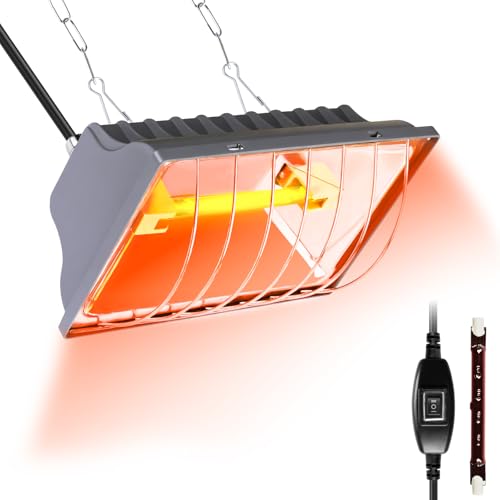
Jaenmsa offers a two-heat setting brooder lamp designed for poultry coops and small pets. The high 250W setting is intended for very cold conditions (≤32°F), while the 175W low setting helps moderate warmth when temperatures are milder (32–50°F). A uniform reflector delivers broader heat coverage, which can extend warmth to a 2㎡ area. The unit emphasizes a long-lasting build with an anti-corrosive aluminum shade and rust-proof components to support long-term use as chicks grow into adults. A robust design suits indoor or outdoor use in sheltered spaces.
LUCKY HERP Infrared Heat Lamp Review

LUCKY HERP provides a 250W infrared heat lamp designed to efficiently heat coops, pets, and other small animals. The product emphasizes a warm red light that helps minimize visual disturbance at night, promoting relaxation and a stable circadian rhythm. It supports broad use—from poultry to small mammals and even reptile enclosures—while potentially benefiting greenhouse applications. The emphasis on a soft, non-intrusive glow helps maintain a calm environment for animals and avoids overstimulation during rest periods.
PETSOLON Chicken Coop Heater Overview

PETSOLON’s infrared heat lamp focuses on safety and reliable warmth for poultry, livestock, and pets. ETL-certified for safety, it features a heat-dissipating shell and a sturdy guard to prevent accidental contact or overheating. The lamp heats quickly, distributing warmth evenly with a carbon fiber tube approach designed to maintain temperature efficiently. The unit is designed for easy height adjustment and quick setup, making it suitable for coops, barns, pet houses, and small animal housing setups where dependable heat is required while keeping energy use in check.
Nexum 300W Infrared Lamp Review
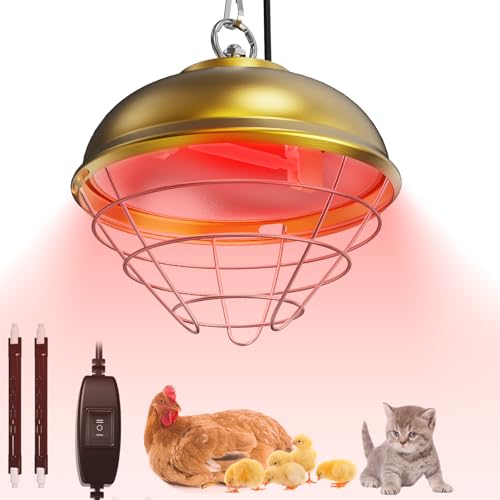
Nexum presents a 300W infrared heat lamp with two heat settings and waterproof aluminum housing. The dual settings provide flexibility to suit different species or seasons, offering a lower 175W option (~68°F) and a higher 300W option (~130°F). An explosion-proof quartz heating tube delivers uniform warmth without excessive air drying. The unit includes a long cord and a hanging chain, supporting straightforward installation in coops, kennels, or reptile setups. This lamp is aimed at versatility and safety in multi-species environments.
Premier 1 Prima Heat Lamp Highlights
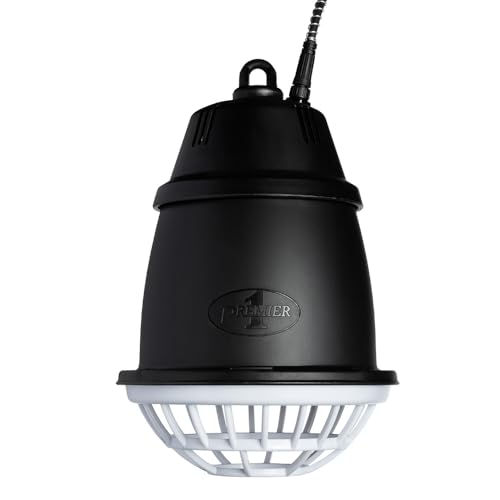
Premier 1 Supplies offers a rugged heat lamp option with a ceramic fixture compatible with standard BR40 or infrared bulbs up to 250W. The design emphasizes safety and reliability, presenting a practical solution for warming lambs, goat kids, poultry, and sick or cold animals. The included note clarifies that the bulb is not included, so users can select a bulb that matches their preferred heat output and energy goals. The fixture is described as safer than other livestock heat lamps, making it a solid choice for farm or kennel environments where durability matters.
Buying Guide: Key Purchase Considerations
- Heat output and settings: Look for lamps with adjustable wattage or dual heat settings to tailor warmth to species, age, and ambient temperatures. Chick brooding often requires lower, gentle heat, while larger animals may need higher output.
- Safety features: Prioritize lights with sturdy guards, heat-dissipating housings, and corrosion- or waterproof construction for outdoor or damp environments. Explosion-proof or shatter-resistant components improve reliability in busy pens or terrariums.
- Heat distribution: Lamps with wide-angle reflectors or 360° coverage help maintain even temperatures across a coop or enclosure, reducing cold spots that can stress animals.
- Durability and materials: Aluminum housings, rust-proof mesh, and durable cords lengthen lifespan in farm or shed settings. Consider weather resistance for outdoor use.
- Ease of installation: Consider hanging chains, adjustable heights, and cord length to fit your space. Quick setup reduces downtime in cold conditions.
- Energy efficiency: Higher efficiency lamps deliver consistent warmth with lower electricity use, benefiting ongoing care in large or multiple enclosures.
- Compatibility and safety of bulbs: Ensure the fixture is compatible with standard bulb bases (e.g., E26 or BR40) and that bulbs are suitable for continuous or near-continuous operation without promptly overheating.
- Multi-species adaptability: If you care for poultry, small mammals, reptiles, and other pets, choose a lamp with broad applicability or consider multiple units for specialized zones with zoned temperatures.
Usage Notes and Safety Tips
- Always follow manufacturer guidelines for mounting height to avoid overheating sensitive animals or creating burn risks.
- Provide shaded areas and alternative temperature zones so animals can move away from heat if needed.
- Regularly inspect cords, guards, and reflectors for wear and corrosion, replacing parts as necessary to maintain safe operation.
- Monitor ambient humidity and enclosure design to prevent moisture buildup around electrical components.
- Pair heat lamps with proper ventilation to prevent overheating and to maintain air quality in closed spaces.
Infrared heat lamps are a practical tool for maintaining animal welfare in colder months. The options above span brooding, general warmth, and specialized applications for poultry, small pets, and reptiles. When selecting a lamp, prioritize safety, reliable heat distribution, and ease of installation to ensure consistent warmth without excessive energy use.