Live feeder insects can be a valuable protein source for backyard flocks, offering enrichment and natural foraging behavior. This guide highlights five accessible options that are commonly fed to chickens and other poultry, focusing on nutrient density, calcium content, ease of use, and whether they arrive ready-to-feed. Each product is evaluated based on its suitability as a staple feed or occasional treat, helping you choose insects that complement your flock’s diet and yard conditions.
| Product | Brand | Type | |
|---|---|---|---|
| 200 Medium Live Soldier Fly Larvae | Dubia.com | Black Soldier Fly Larvae | Calcium-rich, no dusting |
| Fluker’s Live Mealworms, 250 Count | Fluker’s | Live Mealworms | Staple feeder, gutloaded options available |
| 100 Small NutriGrubs Live Feeder Insect | Dubia.com | Black Soldier Fly Larvae | Calcium-rich, ready-to-feed |
| 50 Large Live Mealworms | Dubia.com | Mealworms | Size variety for larger birds |
| 1000 Large NutriGrubs Live Feeder Insect | Dubia.com | Black Soldier Fly Larvae | High calcium, no dusting |
These options span soldier fly larvae and mealworms, offering both high-nutrition staples and versatile feeding sizes. When introducing new insects, monitor flock acceptance, digestive response, and overall health. Always ensure clean water access and a balanced diet alongside insects to support egg production and growth.
200 Medium Soldier Fly Larvae For Reptiles And Chickens
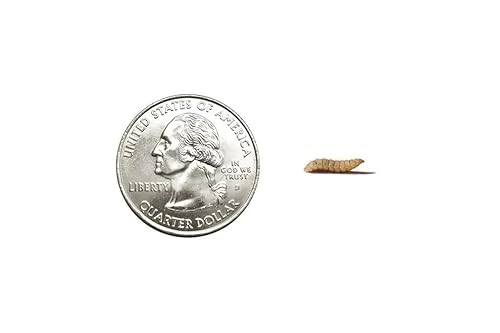
These live soldier fly larvae are presented as a nutritious staple feeder. They are often favored as an alternative to silkworms or mealworms due to their calcium content and ease of use. The product is described as edible and nutritious, with no need for dusting or extra supplementation, making it a practical option for chickens and other poultry that enjoy insect-based treats.
Fluker’s Live Mealworms, 250 Count

Live mealworms provide a classic, protein-rich option for chickens. They can serve as a staple feeder when gutloaded with complementary diets designed for calcium and hydration. Fluker’s offers variants and care essentials that support optimal nutrition and hydration, helping to match mealworm size with flock needs and ensuring easy feeding for mixed-species households.
100 Small NutriGrubs Live Feeder Insect

NutriGrubs are live black soldier fly larvae noted for their calcium content and ease of use. As a staple feeder, they offer a nutritious option for bearded dragons, geckos, chameleons, and chickens. No dusting is required, which simplifies routine feeding and supports consistent calcium intake for poultry health and egg production.
1000 Large NutriGrubs Live Feeder Insect
A larger batch of NutriGrubs provides a substantial option for larger flocks or for days when mealworm handling needs are higher. These live black soldier fly larvae are edible and nutritious, with a calcium-rich profile that aligns with poultry dietary requirements and reduces the need for additional supplementation in many feeding plans.
Fluker’s Large Live Black Soldier Fly Larvae, 500 Count
This large-count option emphasizes the same educational nutrition profile: soldier fly larvae that are gutloaded and ready for feeding. The product notes multiple size variants to accommodate a variety of reptiles and poultry feeding needs, offering a flexible choice for flock managers seeking scalable insect-based nutrition.
Fluker’s Live Superworms, 100 Count
Superworms offer an alternative protein option with larger individual insects, suitable for larger chickens or birds that prefer bigger prey. The product highlights gutloading and a calcium-focused diet alongside other care essentials, presenting a feeding solution that complements other insect offerings in a balanced poultry diet.
Buying Guide: Key Considerations For Purchasing Live Insects For Chickens
Nutrition And Calcium
Choose insects with solid calcium content and balanced protein. Calcium supports eggshell quality and flock health. Look for products marketed as calcium-rich or gutloaded, and consider rotating insect types to provide a broad nutrient profile.
Size And Accessibility
Match insect size to your flock. Smaller birds benefit from smaller larvae, while larger breeds may handle bigger worms or larvae. Also consider how easy the product is to feed—some come ready-to-feed, reducing prep time.
Digestive Tolerance
Introduce insect feeders gradually to prevent digestive upset. Monitor manure, energy levels, and egg production as you adjust the diet. If any adverse reaction occurs, revert to prior feeding levels and consult poultry care resources.
Storage And Shelf Life
Fresh or frozen options require appropriate storage. Check packaging for refrigeration requirements, shelf life, and handling guidelines to minimize waste and ensure feed safety.
Feeding Plan Integration
Insects can complement grains, greens, and commercial poultry feeds. Use insects as treats, training rewards, or occasional staples, and ensure clean drinking water is always available. A diversified feeding plan supports overall health and productivity.
Source And Freshness
Buy from reputable brands with clear handling instructions and packaging. Freshness matters for palatability and nutrient retention. When possible, choose sellers that provide feeding guidelines and customer support.
Considerations For Backyard Flocks
Backyard setups benefit from diverse insect options that can be produced locally or sourced seasonally. Consider your climate, space for storing feed, and the flock’s daily protein needs. A rotating mix can help sustain interest and nutritional balance.