When searching for low-calorie dog food, the goal is to support weight loss without sacrificing essential nutrition. This guide highlights five credible options well-suited for adult dogs needing fewer calories, more controlled portions, or improved satiety. Each choice targets different needs—from highly palatable fiber blends to veterinarian-backed formulas. It’s ideal for owners seeking steady weight management, better digestion, and maintained muscle. The table below compares the selected products at a glance, helping you pick the best match for your dog’s lifestyle and health goals.
| Product | Main Benefit | |
|---|---|---|
| Natural Balance Fat Dogs | Ultra-reduced calories with fiber blend for fullness | Overweight adult dogs needing controlled calories |
| Blue Buffalo Life Protection Formula Healthy Weight | Real chicken first ingredient with balanced nutrition | Healthy weight management with immune support |
| Hill’s Science Diet Adult Perfect Weight | Metabolic-supporting formulation for overweight pets | Visible weight management within weeks |
| Diamond Naturals Light Lamb & Rice | L-Carnitine and probiotics for digestion and fat utilization | Less active or overweight dogs needing digestion support |
| Pedigree Healthy Weight | Low-fat recipe with comprehensive vitamins and minerals | Affordable weight management with gut-friendly fiber |
Natural Balance Fat Dogs Low-Calorie Formula

Key features include a first ingredient of chicken meal to support muscle maintenance, plus peas, oat groats, and barley for fiber and digestive health. The formula targets reduced calories while preserving taste and satisfaction, helping dogs feel full longer. This option is best for owners seeking targeted nutrition that blends protein, wholesome grains, and a fiber blend. Caution: lower calorie content can reduce energy for highly active dogs; adjust feeding accordingly.
Blue Buffalo Life Protection Healthy Weight

Best for dogs that benefit from real chicken as the first ingredient and a balanced nutrition plan for weight management. The formula emphasizes lean muscles, energy through wholesome carbohydrates, and LifeSource Bits for antioxidant support. It’s suitable for owners who prioritize immune health alongside weight control. Considerations: may be less grain-focused for dogs with grain sensitivities; verify suitability for specific dietary needs.
Hill’s Science Diet Adult Perfect Weight
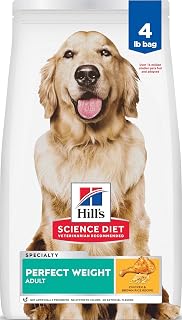
Designed to positively influence overweight pets’ cell function and metabolism. This veterinarian-backed option aims for safe, visible weight management within about ten weeks and uses natural ingredients. Best for owners seeking a science-backed approach to weight loss with an emphasis on metabolic health. Limitation: may require gradual transition for dogs with sensitive stomachs; monitor for any changes during the first weeks.
Diamond Naturals Light Lamb & Rice

Best for dogs needing fewer calories with added fats to support skin and coat health. It features real pasture-raised lamb as the first ingredient, plus L-Carnitine to help convert fat to energy, and glucosamine for joints. It includes probiotics and prebiotics for digestion and immune support. Use this if your dog benefits from probiotic-rich, nutrient-dense meals. Caution: lamb-based formulations can be pricier; budget accordingly.
Pedigree Healthy Weight Adult Dry Dog Food

Best for budget-conscious households seeking a low-fat recipe with complete and balanced nutrition. It includes 36 vitamins and minerals, plus prebiotic fiber to aid digestion. The formulation supports lean muscle with protein while maintaining daily vitality. Limitation: some dogs may prefer higher-quality protein sources; evaluate flavor acceptance and long-term palatability.
Buying Guide: Key Purchase Considerations
How to choose the right low-calorie dog food for your pet
- Life stage and activity level: Match calories to your dog’s energy needs and age.
- Protein source: Look for real meat as a primary ingredient to support muscle mass.
- Fiber and satiety: Fiber blends help dogs feel fuller between meals, aiding weight control.
- Digestive health: Probiotics, prebiotics, and wholesome grains support gut function.
- Joint and immune support: Added glucosamine, antioxidants, and omega fatty acids can contribute to overall health.
- Allergies and sensitivities: Consider grain inclusions and potential allergens in each formula.
- Cost and palatability: Balance budget with taste and willingness to feed consistently.
Frequently Asked Questions
- What qualifies as a low-calorie dog food? It contains fewer calories per serving than standard formulas and often includes fiber to promote fullness.
- How long should a dog stay on a weight-management diet? Many dogs show progress in 6–12 weeks, but consult a veterinarian for individualized plans.
- Can I mix wet and dry food for weight management? Yes, but ensure total daily calories stay within the target range and adjust portions accordingly.
- What if my dog won’t eat the low-calorie formula? Gradual transition and flavor-enhancing options (within the same brand) can help; avoid sudden switches.
- Are weight-management formulas suitable for all breeds? Formulas vary; check with a veterinarian to confirm suitability for your dog’s breed, size, and health needs.
- How do I measure portions accurately? Use a standard measuring cup and follow the feeding guidelines on the bag, adjusting for activity and age.