If your dog needs to lose weight while protecting joint health, a metabolic and mobility formula can help. This guide highlights five top options designed to support weight management and joint mobility, explaining who each product is best for and why it stands out. The selections favor dogs diagnosed with weight concerns or active older dogs needing joint support, and they include both dry and wet formulas for variety. Read on for practical comparisons, then use the Buying Guide and FAQ to refine your choice.
Hill’s Prescription Diet Metabolic+Mobility Dry Dog Food (24 lb)

Best for: medium to large dogs needing substantial weight management and joint support. This dry kibble is designed by Hill’s nutritionists and veterinarians to aid weight loss and maintain mobility. The formulation emphasizes a synergistic set of ingredients that work with a dog’s metabolism to support both weight management and joint health. A key benefit is its potential to help dogs reach weight loss milestones at home, with a plan that aligns the metabolism with mobility needs.
Why selected: It combines metabolic support with joint care in a single dry-food program, making it a strong all-in-one option for owners seeking simplicity in management. A potential limitation is the larger bag size, which may be less practical for very small dogs or single-dog households with limited storage space.
Hill’s Prescription Diet Metabolic+Mobility Dry Dog Food (8.5 lb)

Best for: small to medium dogs or households needing a lighter bag while evaluating the product’s fit. This smaller dry option mirrors the larger formula’s goals—weight loss, weight maintenance, and joint health—through a scientifically balanced mix that supports metabolism and mobility. It’s a practical entry point for new users or dogs new to prescription diets.
Why selected: The 8.5 lb size reduces upfront commitment and waste while enabling ongoing monitoring of weight and activity. Caution: confirm your veterinarian’s prescription guidance, as dietary changes should be monitored for any canine health concerns.
Hill’s Metabolic+Mobility Wet Dog Food (Vegetable & Tuna Stew, 12-Pack)
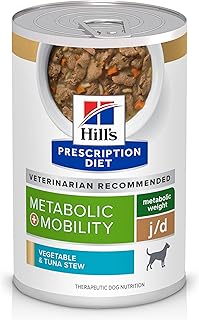
Best for: dogs who prefer wet meals or who need hydration support along with weight and joint care. This canned formulation targets weight management and mobility through a balanced blend of nutrients and ingredients designed to be naturally aligned with a dog’s metabolism. Wet food can be a helpful complement to dry kibble for appetite variety and palatability.
Why selected: The wet format can benefit dogs with picky appetites or those requiring additional moisture. Limitation: wet foods generally have shorter shelf life after opening and may require refrigeration after serving.
Hill’s Prescription Diet Metabolic Weight Management Dry Dog Food (27.5 lb)

Best for: dogs requiring a long-term metabolic approach to weight loss with ongoing mobility support. This clinical nutrition formula activates the dog’s metabolism to help lose weight and maintain it over time, while also supporting active play through steady energy release.
Why selected: It’s a well-established option within veterinary circles for sustained weight management. A consideration is the need for veterinary supervision to tailor the plan toward each dog’s health status and activity level.
Purina Pro Plan Vet Diets OM Metabolic Dry Dog Food, 24 lb

Best for: dogs needing metabolic support with an emphasis on joint health and lean muscle maintenance. This formula emphasizes high omega-3 fatty acids to support joints and glucosamine for cartilage health, alongside higher protein to help preserve lean mass during weight loss.
Why selected: The combination of omega-3s and glucosamine can complement mobility goals, especially for dogs with joint concerns. Limitation: as a veterinary diet, it requires veterinary guidance and ongoing monitoring to confirm suitability and progress.
Buying Guide: Key Considerations For Metabolic And Mobility Diets
- Define goals: Weight loss pace, joint comfort, and activity level should guide product choice. Some dogs respond better to dry kibble, others to canned food or a combination.
- Vet guidance: These diets are often prescription or clinically oriented. Consult a veterinarian to tailor portions and monitor progress.
- Form and palatability: Wet foods add moisture and can help with appetite; dry foods offer convenience and shelf stability. Choose the format your dog prefers to maintain adherence.
- Nutrient balance: Look for diets with balanced protein to support lean mass, controlled calories, and joint-supportive ingredients such as omega-3s and glucosamine where available.
- Portion planning: Metabolic formulas rely on precise feeding guidelines. Use a measured approach and adjust as your dog loses weight or as advised by a vet.
- Lifestyle fit: Consider your dog’s age, activity, and any medical conditions. For example, older dogs may benefit from enhanced joint support, while highly active dogs may need higher protein while still restricting calories.
Product Comparison Quick Reference
- Best for overall weight and joint support: Hill’s Prescription Diet Metabolic+Mobility Dry (24 lb) and the 27.5 lb version for long-term management.
- Better for small dogs or trial use: 8.5 lb Hill’s Metabolic+Mobility Dry.
- Best for appetite variety and hydration: Wet Hill’s Metabolic+Mobility (Vegetable & Tuna Stew).
- Best for lean mass and cartilage health: Purina Pro Plan Vet Diets OM Metabolic Dry Dog Food.
Frequently Asked Questions
- What is the primary purpose of metabolic weight management dog foods? They are designed to help dogs lose weight by aligning calories with the dog’s metabolism while supporting activity and, in some formulas, joint health.
- Do all dogs need a vet prescription for these foods? Most metabolic and joint-supporting diets are veterinary or prescription formulations; a vet’s guidance ensures appropriate use and monitoring.
- Can wet and dry options be mixed? Yes, many owners blend wet and dry foods to improve palatability and hydration; portion control remains essential.
- Which ingredient should I prioritize for joint health? Look for omega-3 fatty acids, glucosamine, and chondroitin where available, as they support cartilage and joint function.
- How quickly can I expect results? Weight loss timelines vary by dog, but veterinarians often monitor progress over several weeks to a few months with regular weigh-ins.
- What if my dog stops eating or shows adverse signs? Contact a veterinarian promptly. Do not alter the diet plan without professional guidance.
Summary: For owners seeking a targeted approach to weight management with mobility support, these options provide a spectrum of dry and wet formulas. The best choice depends on your dog’s size, preference for dry or wet food, and the level of joint support desired. Use the Buying Guide and consult your vet to tailor the plan to your dog’s needs, then monitor weight changes and activity to determine the most effective option.