If you’re searching for non-kibble dog food options, you want nutrient-dense, minimally processed choices that suit your dog’s digestion, taste, and lifestyle. This guide highlights five top non-kibble or semi-dry options that work as complete meals or nutrient-dense toppers. They’re suitable for adult and senior dogs, and are presented to fit a range of budgets and dietary preferences. Read on to understand who each product is best for and why it stands out.
Summary table of selected products
| Product | Best For | Key Benefit | Why It Stands Out |
|---|---|---|---|
| BADLANDS RANCH Air-Dried Beef Dog Food | Dogs needing high meat content | 87% real meat with organs and salmon | Air-dried to preserve nutrients; no fillers |
| Grandma Lucy’s Artisan Pre-Mix | Owners who want a flexible, grain-free base | Grain-free, freeze-dried convenience | Limited ingredients; mix with desired protein |
| The Honest Kitchen Wholemade Grain Free Chicken Recipe | Healthy digestion and real-food nutrition | Human-grade, gently dehydrated | Just-add-water simplicity; no fillers |
| The Pets Table Air Dried Dog Food | Dogs needing gentle digestion and immune support | Salmon and whitefish formula | Grain-free, minimal processing, real ingredients |
| Pawstruck Air Dried Beef Recipe | Joint and coat support | High beef content with added nutrients | USA-made, minimal processing |
BADLANDS RANCH Air-Dried Beef Dog Food

This product is best for dogs that thrive on a high-meat diet. The 87% real meat recipe includes beef, beef heart, and beef liver plus salmon, offering a nutrient-dense centerpiece for adult and senior dogs. It’s air-dried rather than highly processed, helping to preserve natural nutrients. Use as a complete meal or mix into other dry foods as a topper for picky eaters. A potential limitation is the grain-free formulation, which may not suit dogs with specific grain-related sensitivities that doctors advise.
Grandma Lucy’s Artisan Pre-Mix Dog Food

Best for owners who want a flexible grain-free base. This pre-mix is freeze-dried and designed to be mixed with a protein you provide separately, making it adaptable for different dietary needs. It contains no fillers, by-products, GMOs, or preservatives. It’s intended for intermittent or supplemental feeding, so it’s ideal as a nutrient-dense topper or mix-in rather than a sole diet. Tighten the plan with a protein source your vet approves to avoid gaps in nutrition.
The Honest Kitchen Wholemade Grain Free Chicken Recipe

Best for dogs needing real-food nutrition with minimal processing. The Wholemade line uses human-grade ingredients and gentle dehydration to preserve nutrients. The #1 ingredient is cage-free chicken, plus recognizable whole foods like sweet potatoes, pumpkin, apples, green beans, and bananas. It’s shelf-stable and travel-ready, making it suitable for owners who want a convenient, nutritious feed—especially for dogs with sensitive stomachs. A caveat is that it’s a dehydrated product requiring rehydration and careful portioning.
The Pets Table Air Dried Dog Food

Best for dogs needing gentle digestion and immune support. The Salmon and Whitefish formula is grain-free and designed to support skin, coat, and digestion with nutrient-dense ingredients like pumpkin, apples, kale, and blueberries. It is a minimally processed option without artificial preservatives, making it suitable for sensitive stomachs. Choose this if your dog benefits from omega-3 fatty acids and immune-supportive foods; avoid if your dog has a fish-allergy or dietary restrictions against seafood.
Pawstruck Air Dried Beef Recipe
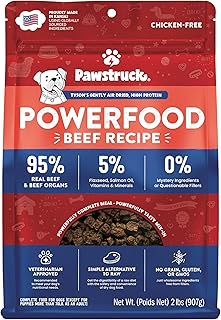
Best for joint and coat support with a high beef content. This product uses 95% beef with a 4% mix of vitamins and minerals, designed to deliver flavor and nutrition while avoiding fillers. It’s made in the USA and aims to provide a digestible alternative to traditional kibble, with nutrients that support joints and skin/coat health. A limitation is that the recipe is single-protein (beef), which may not suit dogs with beef sensitivities or those needing rotation for variety.
Buying Guide: Key Purchase Considerations
- Protein source: Look for real meat as the first ingredient and minimal use of fillers. Higher meat content typically supports muscle maintenance and energy.
- Processing method: Air-dried or freeze-dried options retain more nutrients than highly processed meals. Dehydrated products often require rehydration or complete serving guidance.
- Diet type: Decide between complete meals, toppers, or bases. Some products are designed as occasional supplements rather than sole diets.
- Allergies and sensitivities: Grain-free formulations may help dogs with grain intolerance, but always confirm with a veterinarian if your dog has known sensitivities.
- Digestive health: Ingredients like pumpkin, salmon oil, and greens can aid digestion and coat health. Consider omega-3 sources for skin and joint support.
- Convenience and storage: Shelf-stable (dehydrated or air-dried) options offer portability, while requiring preparation steps like adding water or mixing with protein.
- Rotational feeding: If choosing a single-product plan, monitor for changes in stool quality and appetite. Rotation can help cover a broader nutrient spectrum but may require a transition period.
FAQ
- What is non-kibble dog food?
Non-kibble refers to dog foods that are not dry, crunchy kibble. This can include air-dried, dehydrated, or freeze-dried formats, often with higher meat content and fewer fillers. - Are air-dried and dehydrated dog foods safe?
Yes, when produced by reputable brands. These methods help retain nutrients while offering safer handling than raw diets, though portion guidance is important. - Can these foods replace a regular dog diet?
Some can be complete meals; others serve as toppers or bases. Always follow the manufacturer’s feeding instructions and consult a veterinarian for dietary planning. - Which option is best for sensitive stomachs?
Grain-free and minimally processed formulas with whole-food ingredients, like The Pets Table or The Honest Kitchen Wholemade, often suit sensitive digestion, but individual responses vary. - Is there a risk of nutrient gaps with toppers or pre-mixes?
Yes, toppers or pre-mixes may require complementary protein sources to meet all nutritional needs. Ensure a balanced approach with veterinary guidance. - How do I rotate non-kibble foods safely?
Introduce one new product at a time over 7–10 days, monitor appetite and stool, and maintain consistent protein sources to avoid digestive upset.