Dogs with pancreatitis or digestive sensitivities often benefit from easily digestible, low-fat diets. The following non-prescription and veterinary-style options emphasize gentle digestion, high digestibility, and ingredients designed to minimize fat intake while supporting overall gut health. This guide highlights five relevant products that can help manage pancreatitis-related needs but always consult a veterinarian for personalized recommendations.
| Product | Brand | Food Type | Key Benefit |
|---|---|---|---|
| Hill’s Prescription Diet i/d Low Fat Digestive Care Chicken Flavor Dry | HILL’S PRESCRIPTION DIET | Dry Dog Food | Low fat, highly digestible for sensitive digestion |
| Hill’s Prescription Diet i/d Low Fat Digestive Care Original Flavor Wet | HILL’S PRESCRIPTION DIET | Wet Dog Food | Hydration-focused, low fat, supports digestion |
| SquarePet Veterinarian Formulated Low Fat Lean Whitefish Dry | SquarePet | Dry Dog Food | Low fat, highly digestible; veterinary-formulated |
| Hill’s Prescription Diet Gastrointestinal Biome Digestive/Fiber Care Dry | HILL’S PRESCRIPTION DIET | Dry Dog Food | ActivBiome+ technology to balance gut microbiome |
| Hill’s Prescription Diet Gastrointestinal Biome Digestive/Fiber Care Wet Chicken & Vegetable Stew | HILL’S PRESCRIPTION DIET | Wet Dog Food | Fiber-focused GI support with gut bacteria activation |
Hill’s Prescription Diet i/d Low Fat Digestive Care Chicken Flavor Dry Dog Food

Hill’s i/d Low Fat Dry is designed by Hill’s nutritionists and veterinarians to support digestive health. It is clinically tested to help settle fat-responsive digestive upsets and features a highly digestible, low-fat formula to ease pancreatic stress while providing essential nutrients.
Hill’s Prescription Diet i/d Low Fat Digestive Care Original Flavor Wet Dog Food
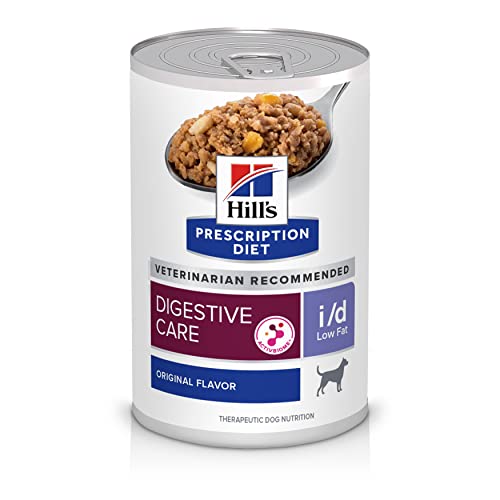
This wet version supports digestive health with a low-fat composition. It helps improve digestion, nutrient absorption, and may assist in lowering blood fat levels, making it suitable for dogs needing a gentler gastrointestinal regimen while staying highly palatable.
SquarePet Veterinarian Formulated Low Fat Lean Whitefish Dry

SquarePet’s low-fat dry formula is a veterinary-formulated option that aims to support dogs prone to fat intolerance and digestive challenges. It emphasizes high digestibility and contains sustainable whitefish as a protein source, reducing pancreatic workload while providing essential amino acids.
Hill’s Prescription Diet Gastrointestinal Biome Digestive/Fiber Care Dry

This dry formula supports GI health with ActivBiome+ technology to rapidly activate beneficial gut bacteria. It is designed to reduce the risk of diarrhea recurrence and promote a balanced digestive system, making it a strong option for pancreatitis-prone dogs requiring careful fat and fiber management.
Hill’s Prescription Diet Gastrointestinal Biome Digestive/Fiber Care Wet Chicken & Vegetable Stew

This wet variant combines GI fiber care with ActivBiome+ to support a balanced microbiome and regular stool. It provides moisture and ease of consumption for dogs that prefer or require a wetter texture while maintaining a low-fat profile for pancreatic comfort.
Buying Guide: Key Purchase Considerations For Pancreatitis-Sensitive Dogs
- Fat content and digestibility: Choose products labeled as low fat with highly digestible proteins to reduce pancreatic workload and improve nutrient absorption.
- Protein source quality: Look for easily digestible proteins like whitefish or chicken that are less likely to trigger digestive upset.
- Fiber and prebiotics: Moderate fiber can help firm stools and support GI health; probiotic or ActivBiome+ technologies may enhance gut microbiome balance.
- Texture preference: Dry vs. wet formulas can affect palatability and hydration; some dogs digest wet diets more easily or prefer moisture-rich textures during illness.
- Prescribed vs. non-prescribed: Some products are veterinary diets; if you require non-prescription options, prioritize veterinary-formulated lines that are still accessible without a prescription.
- Combination approach: A rotation or combination of dry and wet foods may offer balanced nutrition while managing pancreatitis symptoms; introduce new foods gradually.
- Medical guidance: Always seek advice from a veterinarian prior to changing a dog’s diet, especially for pancreatitis, to ensure the plan aligns with the dog’s health status and medications.
- Allergies and sensitivities: If your dog has food sensitivities, consider hydrolyzed or limited-ingredient options and monitor for signs of adverse reactions.
- Transition period: When starting a new diet, transition gradually over 7–14 days to minimize GI upset and ensure acceptance.
- Long-term management: Diet is part of a broader pancreatitis management plan that includes hydration, weight control, and regular veterinary checkups.