Discover the best omega-3 options for dogs to support skin, coat, joints, and overall health. This guide highlights five well-chosen products that suit different needs—from itchy skin relief to joint support and immune health. Ideal buyers include owners seeking easy-to-mix liquid formulas, chewable treats for picky eaters, and vet-approved options for ongoing daily supplementation.
A quick comparison helps identify the right choice at a glance. The table below showcases each product’s key focus to match your dog’s needs and lifestyle.
| Product | Best For | Format | Notes |
|---|---|---|---|
| Zesty Paws Salmon Oil | Coat and skin nourishment; multi-pet households | Liquid oil | Easy pumps, versatile for cats and dogs |
| BARK&SPARK Omega 3 Chews | Chewable daily supplement; allergy relief | Chews | EPA+DHA per serving; USA-made |
| Petsology Omega 3 Chews | Skin, coat, and joint support | Chews | Shedding reduction; lightweight options for all ages |
| Welactin Omega-3 Soft Chews | Vet-recommended daily support | Soft chews | Beta-glucan and minerals for immune support |
| Chew + Heal Salmon Oil | Itchy skin relief; general coat health | Liquid oil | Includes vitamin E for antioxidant support |
Zesty Paws Salmon Oil for Dogs & Cats

The Zesty Paws omega-3 fish oil blends EPA and DHA to support skin, coat, and general health for dogs and cats. Best for households with multiple pets or owners seeking an easy, pump-able liquid formula to mix into meals. The product emphasizes skin and coat nourishment for a shiny coat and nourished skin, along with systemic benefits like immune support and heart health. Limitations include the need to adjust dosage for smaller breeds and the requirement to store away from heat to preserve freshness.
Omega 3 for Dogs — Fish Oil for Skin & Coat Health

This product focuses on itch and allergy relief with omega-3s per serving, combining skin and coat support with joint health. It’s well-suited for dogs prone to seasonal allergies or dry, itchy skin and for owners who prefer a chewable format to simplify administration. Best for: daily bite-sized doses that support both skin health and mobility. Limitation: chew counts and portions may require careful tracking for larger dogs.
Omega 3 for Dogs — 250 Fish Oil Chews

These chews deliver a robust omega-3 dose with added support for shedding reduction, skin, and joint health. The chews are positioned for dogs of all life stages, offering a convenient daily ritual. Best for: dogs that prefer chews over liquids. Caution: ensure the daily count fits your dog’s size to avoid over-supplementation and watch for potential palate fatigue if given in excess.
Nutramax Welactin Omega-3 Soft Chews
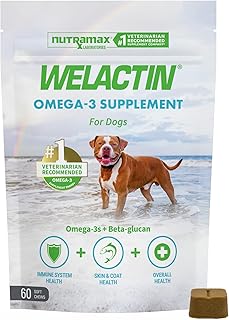
Welactin is a vet-recommended omega-3 supplement featuring EPA and DHA, plus beta-glucan and minerals to support immune health and overall well-being. This soft chew is designed for daily use across all dog ages and sizes, making it a reliable, long-term option. Best for: owners seeking a reputable brand with added immune-support ingredients. Limitation: some dogs may require a gradual transition to avoid digestive upset during initial use.
Salmon Oil for Dogs — Norwegian Salmon Oil

This premium Norwegian salmon oil aims to promote healthy fur and skin, addressing itching and dry skin while delivering omega-3s for coat health. It includes vitamin E as an antioxidant to support heart, immune, and skin health. Best for: dogs with itchiness or dry coats who respond well to a liquid, food-mixer format. Limitation: liquid oils may require careful dosing to prevent oily meals or dribbling during feeding.
Buying Guide: Omega-3 For Dogs — Key Purchase Considerations
Choosing the right omega-3 supplement requires clarity on your dog’s needs, lifestyle, and tolerance for different formats. The following questions help pinpoint the best option.
Liquid vs. Chewables: Which format suits your dog?
Liquid oils are easy to dose and mix into meals, ideal for dogs that dislike chews or have swallowing concerns. Chews provide a familiar, bite-sized option for daily use and can be more appealing to picky eaters. Consider your dog’s dietary preferences and routine when deciding.
What health goals should guide your choice?
- Skin and coat health: Look for higher EPA/DHA content and a bland, easily mixed liquid or tasty chew.
- Itching and allergies: Chews with anti-inflammatory omega-3s can help reduce itch and redness.
- Joint and heart support: Products that emphasize joint health alongside omega-3s may be more versatile for aging dogs.
- Immune health: Some formulas include beta-glucan or minerals to support immune function.
Quality signals to evaluate
- Made in the USA or reputable brands with veterinary endorsements.
- EPA and DHA content per serving clearly listed.
- Minimal additives and natural flavoring; absence of artificial fillers is preferable.
How to administer and monitor
Follow product-specific dosing instructions and gradually introduce to avoid digestive upset. Monitor skin, coat, and activity levels over 4–6 weeks to assess effectiveness, and adjust dosage as needed under veterinary guidance.
FAQ
- What is the best omega-3 for itchy dogs? Look for products with high EPA & DHA content in liquid or chew form and simple ingredients to minimize irritation; gradual introduction helps with skin reactions.
- Can I give my cat and dog the same omega-3 oil? Some products are labeled for both cats and dogs; always check the label for species suitability and dosing differences.
- How long does it take to see results? Skin and coat improvements may appear in 4–8 weeks, while joint or immune benefits could take longer depending on the dog’s age and condition.
- Are there any safety concerns with omega-3 supplements? Excessive omega-3 intake can lead to digestive upset or thinning blood in some dogs; follow dosing guidelines and consult a veterinarian for high-risk animals.
- Should I choose a vet-recommended option? Vet-recommended formulas often emphasize a balanced blend of EPA, DHA, and supporting ingredients, which can be beneficial for ongoing use.
- What if my dog already takes other supplements? Coordinate with a veterinarian to avoid duplicating omega-3 intake and ensure no interactions with existing treatments.