Raw peanuts are a favorite high-energy treat for many backyard birds. This guide highlights top raw peanut options that attract cardinals, blue jays, woodpeckers, and more while supporting energy and health year-round. Each product is formulated to be bird-and wildlife-friendly, with natural, protein-rich ingredients sourced in the USA when possible. Read on to compare features, benefits, and ideal use cases to help you choose the best peanuts for your outdoor feeding stations.
Summary of chosen products:
| Product | Brand | Type | Highlights |
|---|---|---|---|
| Kaytee Shelled Peanuts for Cardinals | Kaytee | Shelled | High-fat, high-protein blend for year-round attraction |
| TRAILMARK Naturals 11 lb | TRAILMARK NATURALS | Raw Shelled | US-sourced, unsalted; favors birds and squirrels |
| Kaytee Whole Peanuts in Shell | Kaytee | In-Shell | High-energy whole peanuts for diverse wildlife |
| Wildlife Elements Peanut Party | Wildlife Elements | Raw In-Shell | USA-grown, farmer stock; broad wildlife appeal |
| Pennington Classic Shelled Peanuts | Pennington | Shelled | Energy and protein for birds and squirrels |
Kaytee Shelled Peanuts For Cardinals And More

Kaytee’s shelled peanut blend is designed to attract a range of backyard visitors, including cardinals, nuthatches, woodpeckers, towhees, indigo buntings, and jays. The high-energy peanut pieces provide fat and protein, helping birds sustain activity through seasonal changes. Created by bird enthusiasts, this mix emphasizes year-round backyard appeal and is a straightforward option for seed blends that want a stronger protein component without additives.
Key considerations
Best used in open feeders or platform feeders. The shelled form allows birds to peck easily but requires regular cleanup to minimize waste. Ideal for water areas or shaded yards where birds typically stay active throughout the day.
Trailmark Naturals Raw Shelled Peanuts
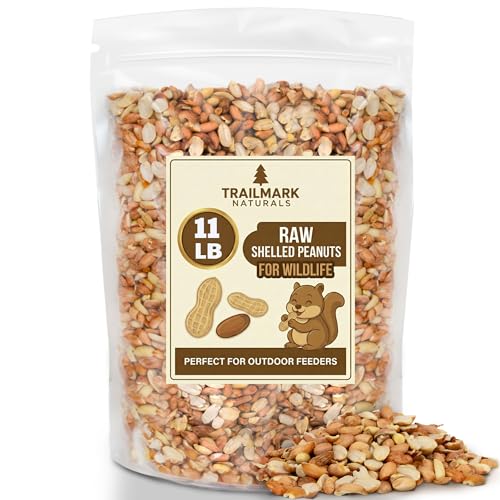
Trailmark Naturals offers raw, unsalted shelled peanuts that appeal to a broad spectrum of backyard wildlife. The product is grown in the USA and emphasizes natural nutrition with a focus on birds such as blue jays and woodpeckers, as well as squirrels. This option suits feeders that aim to supply a dependable energy source without salt or additives, supporting consistent consumption across seasons.
Usage tips
Scatter these peanuts near cover to encourage foraging behaviors. Keep feeders clean and dry to preserve freshness, and rotate with other high-fat offerings to meet varying needs of visiting wildlife.
Kaytee Whole Peanuts In Shell For Birds

Kaytee’s whole peanuts in shell provide a robust energy source for cardinals, jays, woodpeckers, chipmunks, and squirrels. The in-shell format offers birds a sustained feeding opportunity as they crack the shells, which can support natural foraging behaviors. This product is marketed to attract a wide range of wildlife throughout the year and is designed to fuel birds with high-fat, high-protein content for endurance and vitality.
Practical considerations
In-shell peanuts can create more shell waste, so consider feeding stations with easy-to-clean surfaces and regular maintenance. They’re well-suited for sturdy, outdoor feeders that withstand weather conditions.
Wildlife Elements Peanut Party Unprocessed Peanuts

Wildlife Elements offers unprocessed, raw in-shell peanuts described as farmer stock and USA-grown. This product emphasizes raw, additive-free nutrition suitable for birds, squirrels, and other wildlife. It promotes a broad appeal, attracting woodpeckers, blue jays, cardinals, as well as ground-foraging mammals and waterfowl, thanks to its protein and healthy fats content. The focus is on natural nutrition sourced from regional crops.
Best-use guidance
Best used in protected feeders or ground-feeding setups where wildlife can forage safely. The in-shell format encourages natural behaviors like cracking and foraging, which can be engaging for wildlife watching.
Pennington Shelled Peanuts For Wildlife

Pennington’s shelled peanuts provide an excellent source of energy and protein, attracting a variety of wildlife including woodpeckers, blue jays, and squirrels. Shelled peanuts are a convenient, easy-to-dispense option that can be placed on feeding stations or scattered on the ground. This product emphasizes year-round appeal with a focus on high-energy nutrition suitable for multiple species.
Operational considerations
Monitor to prevent overconsumption by non-target wildlife and ensure proper storage to maintain freshness. Use in areas where shells and husks won’t create lingering mess near outdoor living spaces.
Naturalee Peanuts In Shell 2 Lb

Naturalee offers plain in-shell peanuts as a natural, unsalted option, marketed as a healthy snack or wildlife feed. This product emphasizes USA-grown production and gluten-free, vegan-friendly attributes. It suits households looking for a straightforward, additive-free option that aligns with broader wildlife feeding plans while supporting local farmers.
CountryMax Backyard Seeds In-Shell Peanuts

CountryMax’s 25-pound bulk bag of raw in-shell peanuts is designed for wildlife and squirrels, emphasizing natural, unsalted peanuts without additives. The product highlights energy and nutrition, offering sustained calories to wildlife during colder months. It supports foraging behaviors and broad wildlife visitation, including deer and birds.
Wagner’s Shelled Peanut Pieces For Birds

Wagner’s shelled peanut pieces provide a high-protein, shell-free option ideal for woodpeckers, jays, chickadees, and other common backyard species. The shell-free formula reduces waste and keeps feeding areas cleaner, making it a convenient choice for busy feeders that aim for minimal cleanup after each feeding session. The product emphasizes year-round energy and nutrient density.
Buying Guide: Key Purchase Considerations
- Bird species: Different birds prefer different peanut formats. In-shell peanuts encourage natural cracking, while shelled pieces are easier for smaller birds and can reduce mess in certain setups.
- Freshness and storage: Raw peanuts can go rancid if exposed to heat and moisture. Store in cool, dry places and use within recommended timeframes to maintain flavor and nutrition.
- Salt and additives: Choose unsalted, additive-free varieties to avoid potential health concerns for birds and wildlife.
- Source and sustainability: USA-grown peanuts support local agriculture; consider brands that emphasize ethical sourcing and local farming.
- Feeder compatibility: Consider feeder type, whether ground feeding is allowed, and cleaning ease. In-shell peanuts may require more shell management, while shelled pieces can be messier in certain setups.
- Wildlife diversity: Some blends attract a broader range of wildlife (birds, squirrels, and mammals), while others may be more selective. Match your yard’s ecosystem and observation goals.
- Storage and shelf life: Keep pests away and protect from humidity. Use sealed containers to extend shelf life and prevent contamination.
- Seasonal strategy: High-fat foods help birds through cold months; rotate with other protein-rich options to ensure balanced nutrition across seasons.
- Safety considerations: Avoid moldy or spoiled peanuts. Remove spoiled portions promptly to reduce health risks for animals.
Raw peanuts offer versatile nutrition for wild birds and wildlife, with a range of formats to suit different feeders and yard setups. By selecting unsalted, USA-sourced options and aligning with your local ecosystem, you can support backyard biodiversity while providing a consistent energy source for year-round wildlife viewing.