Finding the right slow feeder bowl can improve digestion, reduce bloating, and make mealtimes calmer for both dogs and their owners. The following five picks emphasize interactive designs, non-slip bases, and compatibility with wet food to help dogs savor every bite without gobbling. Each option includes a puzzle or maze that extends feeding time while keeping pets mentally engaged.
Below is a quick reference of the chosen products. The table highlights brand, capacity, and a key feature for faster decision-making.
| Product | Brand | Approx. Capacity | Key Feature |
|---|---|---|---|
| Bifeaw Slow Feeder Dog Bowls | Bifeaw | 1–2 cups | Puzzle design with non-slip silicone |
| MateeyLife Slow Feeder Dog Bowls 2PCS | MateeyLife | Medium breeds (two bowls) | Ridged maze patterns for slower eating |
| Outward Hound Fun Feeder Slo Bowl – Large | Outward Hound | 4 cups | Challenging maze design with mindfully blocky pattern |
| Keegud Slow Feeder Dog Bowls Insert | Keegud | Fits existing bowls (insert) | Spiral blade and octopus suction cups |
| GORILLA GRIP Patented Slow Feeder Bowl | GORILLA GRIP | 1 cup | Internal maze with strong suction bottom |
Bifeaw Slow Feeder Dog Bowls
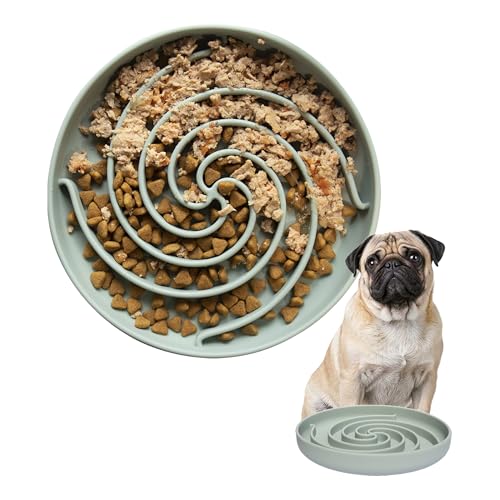
The Bifeaw slow feeder bowls measure 7.5 inches in diameter and 1.2 inches tall, designed to hold 1–2 cups of food. The silicone construction is dishwasher-safe and microwave-safe, making cleanup straightforward. A standout feature is the integrated puzzle design that slows down meals while encouraging mental engagement. The non-slip base helps keep the bowl stable during use, reducing mess and preventing pets from overturning the dish. This model is versatile for wet or dry foods and can double as a lick mat to calm anxious pets during mealtime. Ideal for dogs that tend to gulp or eat quickly, it supports mindful eating and digestion over extended meals.
Features include a safe, flexible silicone surface, a chew-resistant design, and a layout that prompts dogs to explore their food. The bowl’s size makes it suitable for small to medium breeds that enjoy puzzle-based feeding. While the texture may collect some moisture, regular cleaning keeps it hygienic and ready for daily use. When introducing a puzzle feeder, supervise initial meals to help pets understand the game and avoid frustration.
MateeyLife Slow Feeder Dog Bowls 2PCS

The MateeyLife set includes two bowls designed to slow mealtime for medium-breed dogs. The maze and ridges encourage dogs to navigate food, effectively slowing consumption and improving digestion. The dual-bowl configuration helps households by providing multiple feeding options or allowing owners to rotate bowls for variety. Non-slip bases reduce movement and spills, contributing to a cleaner feeding area. The design targets overeating and anxiety around meals, offering a more relaxed breakfast or dinner routine. The bowls are suitable for wet, dry, or mixed meals, making them a practical choice for varied diets.
These bowls emphasize long, mindful meals with a structured maze that keeps dogs engaged. However, larger or particularly enthusiastic eaters may take longer to finish the puzzle, which is exactly the intent. Regular cleaning ensures the maze design remains effective and hygienic for daily use. For best results, gradually introduce the maze, allowing dogs to explore while remaining calm and stationary during feeding.
Outward Hound Fun Feeder Slo Bowl – Large

This large slow feeder from Outward Hound holds up to four cups of food and features a deep bowl design with a challenging maze. It is designed for medium to large dogs and includes a non-slip base to minimize movement during meals. The goal is mindful eating, encouraging dogs to take smaller bites and enjoy every portion of their meal. The Notch Pattern or similar maze provides visual and tactile cues that keep dogs curious and engaged as they work through the puzzle. It is compatible with wet and dry food and offers a robust option for households with bigger appetites.
Pros include a proven slow-down effect and an engaging design that suits fast eaters. Cons might include paw-friendly squeaks or dish movement on slick floors if the mat underneath isn’t secure. Regular cleaning is straightforward, but owners may want to use a dishwasher-safe approach to maintain hygiene after wet meals.
Keegud Slow Feeder Dog Bowls Insert

The Keegud insert is designed to convert existing bowls into slow feeders with a distinctive spiral blade and silicone nails. This insert attaches to the bottom of a standard bowl via strong suction cups, creating a maze that forces dogs to work for each bite. It’s especially useful for large or medium dogs and can be cut to fit some bowl sizes, offering flexibility for different households. The silicone material is food-grade and gentle on noses, minimizing irritation during eating. Suction strength helps keep the insert in place, reducing the likelihood of tipping or sliding during meals.
Benefits include cost efficiency, easy installation, and a reusable design that accommodates various bowls. A potential drawback is the need to periodically check suction strength and adjust placement if the bowl or insert shifts during use. Cleaning is straightforward, though the spiral maze may harbor small food particles that require thorough rinsing.
GORILLA GRIP Patented Slow Feeder Bowl

The Gorilla Grip slow feeder emphasizes a cautious approach to eating with a built-in maze that compels dogs to slow down. The bowl is BPA-free and features a non-slip rubber bottom to minimize movement on the floor, making it especially suitable for high-energy dogs. The 1-cup capacity is ideal for small breeds or lighter meals, and the design encourages mindful chewing without compromising enjoyment. A practical tip is to freeze small treats in the bowl to increase mental stimulation and extend mealtime further. This bowl pairs well with a feeding mat for added stability on slick surfaces.
While highly functional, the compact capacity may necessitate multi-serving meals for larger dogs. Regular cleaning is straightforward, and the food-safe silicone surface resists odors and stains. It’s a good option for households seeking a simple, effective slow-feeder solution without a complex maze.
Buying Guide
- Size and capacity: Match the bowl capacity to your dog’s breed and typical meal size. Slow feeders with small capacities are better for small breeds or supplemental meals, while larger bowls suit medium to large dogs.
- Maze complexity: More intricate mazes slow eating further but may frustrate shy eaters. Start with a moderate maze to allow dogs to learn gradually.
- Material and safety: Look for BPA-free silicone or durable plastics. Ensure materials are dishwasher-safe for easy cleaning, and avoid sharp edges that could hurt the nose or mouth.
- Non-slip design: A non-slip base or textured bottom prevents spills and reduces movement during meals, especially on slick floors.
- Maintenance: Consider whether the bowl is easy to clean by hand or in the dishwasher. Wet food can leave residues that require thorough washing.
- Versatility: Some inserts or bowls can accommodate both wet and dry food, or can double as lick mats to soothe anxious dogs.
- Durability: For persistent chewers, choose chew-resistant materials and reinforced constructions to avoid early wear.
- Integration with existing bowls: Inserts or separable designs let you upgrade your current bowls without full replacement, offering budget-friendly options.
- Ease of introduction: Introduce the slow feeder gradually, supervising initial meals to help your dog understand the puzzle without frustration.