Maintaining optimal water conditions is essential for the health and happiness of betta fish. A reliable water test kit helps hobbyists monitor pH, ammonia, nitrites, nitrates, hardness, and alkalinity, reducing stress and preventing common issues like fin rot and algae blooms. Below is a curated guide of five top-rated test strips and kits that are especially useful for betta tanks, followed by a practical buying guide to help you choose the right kit for your setup.
Summary of Selected Products
- AAwipes 8-in-1 Aquarium Test Kit (K02-50) – 50 strips, fast 3-step results, 8 parameters.
- Tetra EasyStrips 6-In-1 – 6 parameters per strip, simple color chart, freshwater or saltwater compatible.
- 11 in 1 – Aquarium Test Strips (SJ WAVE) – 11 key parameters, includes temperature and ammonia strips.
- DaToo 8 in 1 – 9 including temperature, durable, high sensitivity.
- Aquarium Water Test Kit 9-in-1 (A QUILA) – comprehensive 9-parameter kit for various water types.
AAwipes 8-in-1 Aquarium Test Kit for Fish Tanks
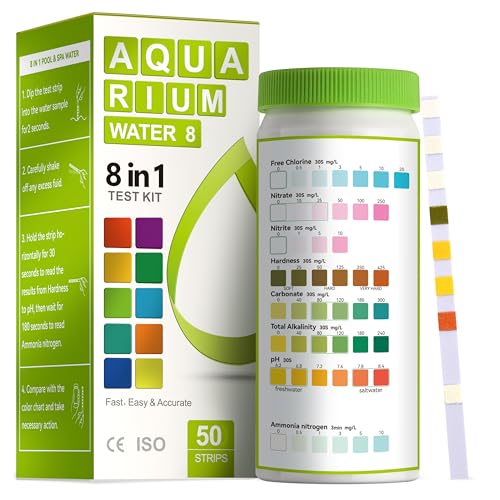
The AAwipes K02-50 test kit is designed for both freshwater and pond setups, delivering 8 essential measurements: Free Chlorine, Nitrate, Nitrite, Hardness, Carbonate, Total Alkalinity, pH, and Ammonia nitrogen. It uses high-quality fiber paper and color-accurate strips to prevent bleeding and ensure precise readings within minutes. This kit is especially helpful for betta tanks, where stable ammonia and nitrite levels prevent stress and disease. For routine care, testers are advised to check water conditions twice a week to stay ahead of fluctuations caused by feeding and waste.
Fast, user-friendly operation with a three-step process supports quick decision-making: dip, read, compare. The color chart provides a broad range of results, enabling owners to adjust water changes and filtration timing accordingly. The kit’s versatility also makes it suitable for ponds, pools, and shrimp tanks, which is useful for betta hobbyists who maintain multi-tank setups.
Key buying considerations: aim for at least 8-in-1 coverage to cover the most common betta water issues, and ensure the kit provides clear color differentiation for accurate readings. Regular testing helps prevent ammonia spikes and maintain a stable environment for sensitive bettas.
Tetra EasyStrips 6-In-1 Aquarium Test Strips

Tetra EasyStrips 6-In-1 provides a concise assessment of six critical water parameters on a single strip. The kit measures nitrates, nitrites, water hardness, chlorine, alkalinity, and pH, which are all relevant for betta care. The strips are designed for quick results and are suitable for both freshwater and saltwater environments, making them a versatile option for betta hobbyists who also explore other species.
Usage is straightforward: dip a strip, wait for colors to develop, and compare to the included chart. For bettas, monitoring nitrates and ammonia is crucial, as elevated levels can quickly stress or harm a delicate fish. Tetra’s color indicators are generally easy to read, which reduces the time spent interpreting results. For best results, test water twice weekly and after significant changes like filter maintenance or new plants.
Pros include simplicity, compact packaging, and quick readings. A potential limitation is that this kit assesses a smaller set of parameters compared with 8- or 9-in-1 kits, so it’s best paired with periodic full-parameter tests if you’re managing a high-bioload tank or a community setup.
11 in 1 Aquarium Test Strips (SJ WAVE)

This expansive kit covers 11 parameters, including ammonia, pH, nitrates, nitrites, total alkalinity, carbonate, hardness, chlorine, iron, copper, and temperature. Such breadth is beneficial for betta enthusiasts who want a thorough snapshot of water quality, particularly in square-foot tanks or systems with live plants. It’s designed for both freshwater and saltwater environments, which is useful for hobbyists who cycle tanks for different species.
Reading results relies on a provided color chart, with emphasis on accuracy and ease of use. The kit’s large parameter list helps detect multivariate issues that may not be evident from a smaller panel. For bettas, maintaining stable pH and avoiding ammonia spikes are essential; this kit provides the data to act quickly if levels drift. As with any strip kit, ensure you follow the 1-2 minute reading window and avoid misreads caused by excess algae or debris on strips.
Consider this option if you want a single kit to cover most common water conditions across various tanks. Note that more parameters can mean more interpretation, so keep a log of readings to track trends over time for your betta fish.
DaToo 8 in 1 Aquarium Test Kit
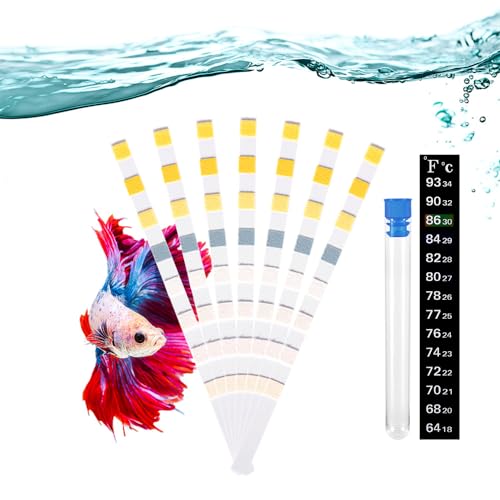
DaToo offers an 8+1 parameter kit with an added thermometer for a total of nine readings, including pH, ammonia, total alkalinity, carbonate, hardness, free chlorine, nitrate, nitrite, and temperature. The extra thermometer helps monitor temperature fluctuations that directly affect betta metabolism and filtration efficiency. The strips claim high sensitivity and durable, double-sealed packaging to protect against moisture exposure, which is useful in humid home environments.
This kit emphasizes ease of use through a three-step protocol and a user-friendly color chart designed to deliver readings quickly. Betta owners can benefit from the integrated temperature measurement, ensuring that tank heaters and ambient room temperatures maintain a stable environment. For best results, use the strips with clean water samples and avoid testing immediately after water changes if temperatures have not stabilized.
Strengths include comprehensive coverage and added temperature data, while a potential drawback is that some users may require a separate ammonia test if they need a more granular breakdown during a disease outbreak or sudden behavior change in their betta.
AQUARIUM WATER TEST KIT 9-in-1 (A QUILA)

The A QUILA 9-in-1 strip kit measures pH, total alkalinity, hardness, chlorine, nitrite, sulfate, copper, iron, and ammonia. It is designed for both freshwater and saltwater tanks, which makes it suitable for betta enthusiasts who eventually expand to other species or maintain a mixed display. The kit uses high-quality fiber to deliver precise, non-bleeding results across the nine parameters, providing a robust snapshot of overall water quality.
For betta care, this kit helps monitor key drivers of stress, including pH drift and ammonia buildup. The kit’s 9-in-1 format reduces the number of separate tests needed, saving time for busy hobbyists. To maximize accuracy, ensure you test in representative water from the main tank and avoid sampling from standing water with significant surface scum that could skew readings.
Buying Guide: Key Purchase Considerations For Betta Water Testing
- Parameter breadth: Betta care benefits from kits that cover ammonia, nitrite, nitrate, pH, and alkalinity at a minimum. Consider 8-in-1 or 9-in-1 kits for a broader overview, and keep a separate thermometer if your kit lacks one.
- Ease of use: Choose kits with clear color charts and straightforward steps. Quick 2–3 minute results reduce guesswork and help you respond faster to water changes or filter adjustments.
- Consistency and accuracy: Look for kits with non-bleeding colors and well-established color references. Regular calibration against water samples you know are within range can improve long-term accuracy.
- Tank size and bioload: Smaller betta tanks require more frequent testing (1–3 times per week) due to rapid changes from feeding and waste. Larger tanks with live plants may stabilize more slowly, but still benefit from routine checks.
- Maintenance compatibility: If you manage multiple tanks (betta, community, fry tanks), a single kit that covers multiple parameters across freshwater and some saltwater applications can simplify inventory.
- Storage and durability: Humidity and temperature can affect test strips. Opt for kits with moisture-sealed packaging and consider storing in a cool, dry place to extend strip life.
- Reading interpretation: When readings are borderline, keep a log and compare trends rather than acting on a single data point. Consistent patterns are more informative for decision-making.
- Cost per test: Higher-parameter kits may have a higher upfront cost but lower per-test cost over time. Evaluate how often you test and how many strips you’ll use in a month.
Practical tips for betta owners: test after major events like partial water changes, filter maintenance, or introducing new decor. If ammonia or nitrite levels rise, perform partial water changes and inspect the filter to ensure adequate circulation. Maintain stable temperatures around 76–80°F (24–27°C) for most betta strains, and avoid rapid pH shifts that stress fish.