Finding the right wheelchair for a canine companion can restore confidence, encourage activity, and improve quality of life. This guide highlights five top-rated dog wheelchairs designed for pets with rear-leg challenges, offering adjustable fit, lightweight construction, and comfortable support. The selections cover different sizes and needs, from small to XXL dogs, ensuring a stable and supportive experience for most breeds. Read on to compare features, materials, and usability, and learn what to consider before buying to help your dog walk, run, and play again.
Summary Of Chosen Products
| Product | Brand | Key Benefit |
|---|---|---|
| LetPetRun Adjustable Dog Wheelchair | LetPetRun | Fully adjustable frame for customizable fit; foldable for storage; suited for hind-leg impairment |
| Nasjac Dog Wheelchair (Black, M) | Nasjac | Lightweight aluminum, breathable mesh, reflective stripes; two size options |
| BECROWM Dog Wheelchair (XX-Large) | BECROWM | 2 rear wheels, adjustable height/width/length; easy to install; durable materials |
| Nasjac Dog Wheelchair (GR, M) | Nasjac | Similar lightweight design with reflective stripes; suitable for small to medium dogs |
| Lokshun Dog Wheelchair (B-XL) | Lokshun | Large size, protective belt, night-safety reflective features; sturdy, adjustable |
LetPetRun Adjustable Dog Wheelchair

The LetPetRun wheelchair is designed for hind-leg impairment with a focus on customizable fit. Important sizing guidance asks pet owners to consult the size chart before purchase, since a precise fit helps prevent rubbing or instability. The frame offers adjustable height, width, and length, aiding a comfortable stride for dogs that rely on their front legs for propulsion. A foldable design supports easy storage and portability, making it convenient for travel or home use. The model’s emphasis on adjustable fit makes it a practical option for growing pets or dogs with changing needs.
Key considerations include ensuring front-leg strength remains sufficient for walking and that the overall weight remains manageable for daily use. Assembly is straightforward, and a foldable design supports quick setup and breakdown. For owners managing post-injury recovery or long-term mobility challenges, the LetPetRun provides a balanced approach between stability and flexibility.
Nasjac Dog Wheelchair for Back Legs (Black, M)

Nasjac presents a lightweight back-leg wheelchair with reflective stripes for enhanced visibility. The design targets pets with injured or paralyzed rear legs, enabling standing, walking, and running using strong front legs. Weighing around 1.3–1.5 pounds, the frame aims to minimize burden while maintaining durability. The breathable mesh harness helps prevent overheating and rubbing, contributing to comfort during longer outings. Its adjustable height, length, and width accommodate different dog sizes, with two size options typically available for small to medium dogs. This model balances portability with sturdy support and safety features for daily use.
Pros include easy setup and a compact structure suitable for travel. The reflective stripes add an extra safety layer for evening strolls, and the lightweight construction reduces fatigue for dogs learning to adapt to wheel mobility. Potential drawbacks to check are the availability of two sizes and ensuring a precise fit for chest and body proportions. For dogs transitioning from wheel assistance, the Nasjac option provides a reliable entry point with clear adjustability.
BECROWM Dog Wheelchair (XX-Large)

The BECROWM XX-Large wheelchair emphasizes a heart-warming design that helps disabled hind legs walk, run, and play. It uses two rear wheels to provide stable locomotion, and the U-shaped design supports natural movement without interfering with bowel function. The product is noted for easy installation and portability, aided by an adjustable height, width, and length. A lightweight yet durable construction supports everyday use, with a cozy mesh pocket to keep the dog comfortable during outings. This model suits larger dogs needing substantial rear-leg support and straightforward adjustments.
Key considerations include confirming the dog’s measurements against the size chart, as fit quality directly impacts comfort and mobility. The design also allows easy leashing and navigating through daily activities like stairs or car access. For owners seeking a robust, low-maintenance option for bigger breeds, the BECROWM XX-Large presents a practical combination of size, adjustability, and supportive features.
Nasjac Dog Wheelchair for Back Legs (GR, M)
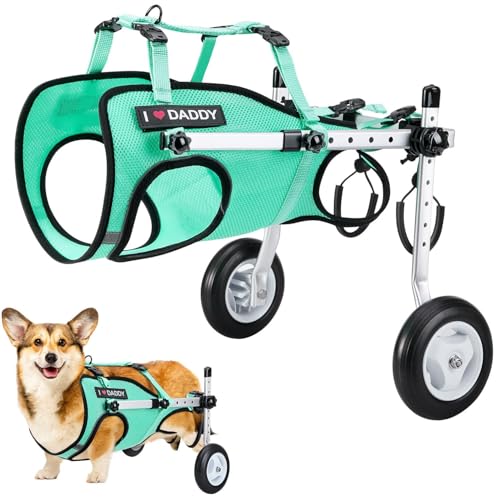
This Nasjac model mirrors the brand’s lightweight approach with reflective stripes and adjustable sizing, intended for small to medium dogs. It emphasizes a strong but gentle front-leg propulsion system, allowing the dog to regain mobility and confidence after hind-leg injury or surgery. The aluminum frame remains a standout for its balance between strength and lightness, while the breathable mesh helps prevent heat buildup during longer wear. Regular measurements of chest, length, and weight are recommended to ensure an even, secure fit for walking and daily activities.
From a safety perspective, reflective elements improve visibility, and the adjustable structure supports a range of dog shapes. Potential considerations include ensuring the dog tolerates any harness components and confirming size selection aligns with the dog’s body proportions for optimal support and comfort.
Lokshun Dog Wheelchair for Back Legs (B-XL)
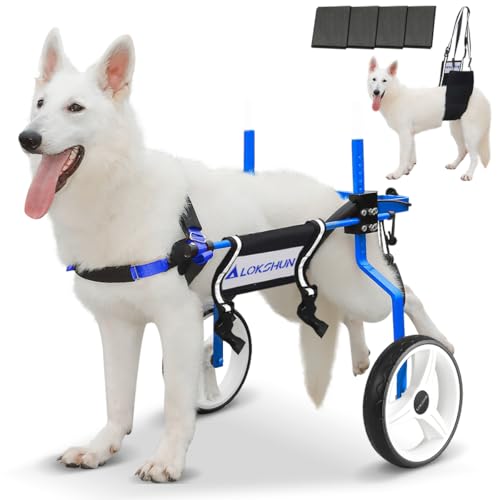
Lokshun offers a large, heavy-duty option designed for bigger dogs. The frame is adjustable in length, width, and height to accommodate a variety of body shapes, with a protective abdominal belt that distributes weight to reduce spinal and hip pressure. The design includes night-time safety via reflective strips on the belt to enhance visibility during evening walks. The product supports both independence and mobility for dogs with significant hind-leg limitations, and its sturdy construction aims to endure regular use in active pets. Owners should verify measurements against the size chart to ensure a secure, comfortable fit for larger dogs.
Considerations for Lokshun include evaluating whether the belt system fits comfortably with the dog’s abdomen and whether the dog’s movement remains natural with the belt engaged. The overall design prioritizes safety and stability for large breeds requiring robust support during daily activities.
Buying Guide: Key Purchase Considerations
- Fit and sizing: Take precise chest, back length, and weight measurements and compare them with each brand’s size chart. A poor fit can cause rubs, discomfort, or instability.
- Weight capacity: Check the animal’s weight and the wheelchair’s maximum load. Heavy dogs require sturdier frames with reinforced joints and wheels.
- Adjustability: Look for adjustable height, width, and length to accommodate growth, changes in fat/muscle mass, or different activities.
- Materials and breathability: Aluminum frames balance strength and lightness; breathable mesh reduces overheating during extended wear.
- Ease of use: Quick assembly, simple adjustments, and foldable designs aid daily handling, travel, and storage.
- Safety features: Reflective elements, stable wheelbases, and secure harnesses help prevent slips and support confidence during walks.
- Front-leg usability: Ensure front legs are strong enough to propel the dog and that rear-wheel support complements routine movement.
- Maintenance: Look for washable fabrics, rust-resistant frames, and straightforward cleaning processes to sustain hygiene and longevity.
- Vet guidance: For severe injuries or post-surgical recovery, consult a veterinarian to choose appropriate support and monitor progress.
- Usage goals: Consider whether the goal is short daily help, rehabilitation support, or long-term mobility management.
All five options above provide adjustable, lightweight, and supportive designs tailored to rear-leg disabilities in dogs. They cater to a range of sizes—from small to XXL—and emphasize ease of use, safety, and comfort. Prospective buyers should assess their dog’s current mobility, activity level, and daily routine to select a model that aligns with long-term health and happiness.